


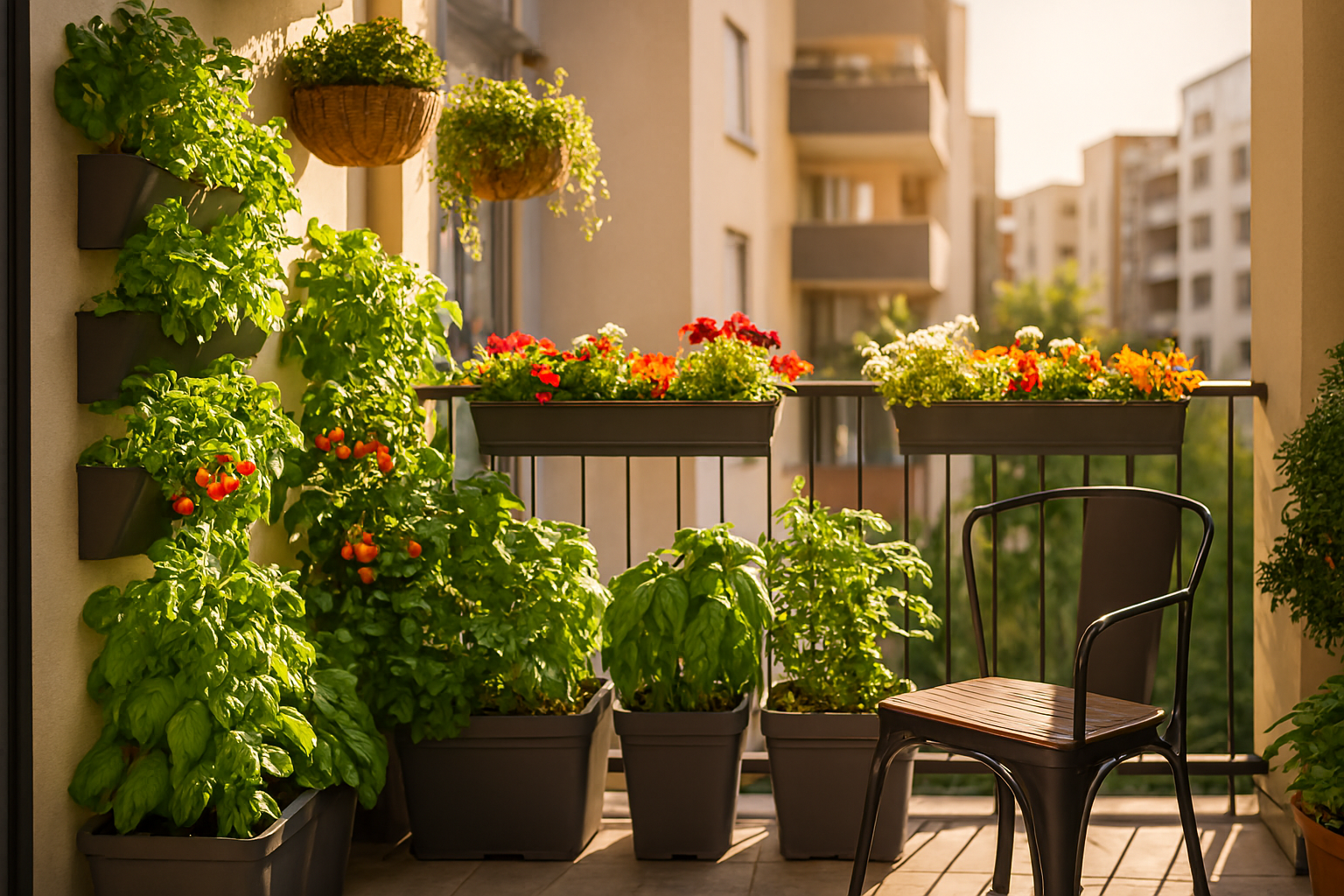
Living in an apartment or home with limited outdoor space doesn’t mean you have to give up your gardening dreams. With the right small space gardening accessories, you can transform even the tiniest balcony, patio, or urban garden into a lush, productive green oasis. The key is maximizing vertical space, choosing multi-functional tools, and selecting containers specifically designed for compact growing.
Small space gardening has exploded in popularity as more people embrace urban living and discover the joy of growing their own herbs, vegetables, and flowers regardless of square footage. Whether you’re working with a narrow apartment balcony, a small patio, or just a sunny windowsill, strategic use of specialized accessories allows you to grow more in less space while keeping your area organized and beautiful.
This comprehensive guide reveals the essential balcony garden supplies and container gardening essentials that make small space gardening not just possible, but truly enjoyable and productive. From vertical planters that multiply your growing area to compact tools designed for container work, these accessories will help you create a thriving garden in even the most limited spaces.
Understanding Small Space Gardening Challenges
Before investing in accessories, it’s helpful to understand what makes small space gardening unique:
Limited Floor Space
Traditional ground-level gardening isn’t an option when you’re working with a 4×6 foot balcony or narrow patio. Every square inch counts, requiring creative vertical solutions and space-efficient containers.
Weight Restrictions
Balconies and rooftops have weight limits that restrict how much soil, water, and containers you can safely use. Lightweight materials and proper weight distribution become crucial considerations.
Wind Exposure
Elevated gardens face stronger winds that can dry out soil quickly, damage plants, and topple containers. Accessories need to address stability and moisture retention.
Limited Water Access
Without a nearby hose spigot, watering becomes more labor-intensive. Self-watering systems and efficient watering tools become essential rather than optional.
Vertical Growing Potential
The silver lining of limited floor space is that you can grow upward. Walls, railings, and vertical supports offer untapped growing potential that proper accessories help you maximize.
Container-Based Growing
All small space gardening happens in containers, which requires different tools, techniques, and accessories than traditional in-ground gardening.
Essential Vertical Gardening Accessories
Vertical growing is the secret to maximizing small spaces. These accessories help you utilize walls, fences, and railings effectively.
1. Vertical Wall Planters and Pocket Systems
Wall-mounted planters transform vertical surfaces into productive growing areas, multiplying your available space without consuming valuable floor area.
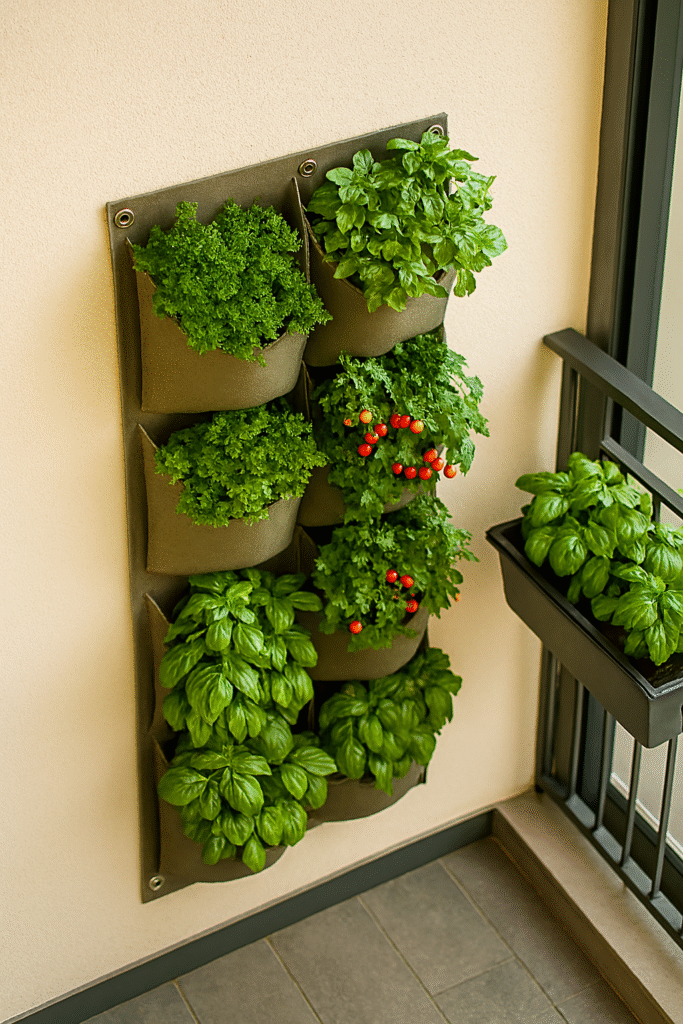
What Makes Them Essential: vertical gardening kits
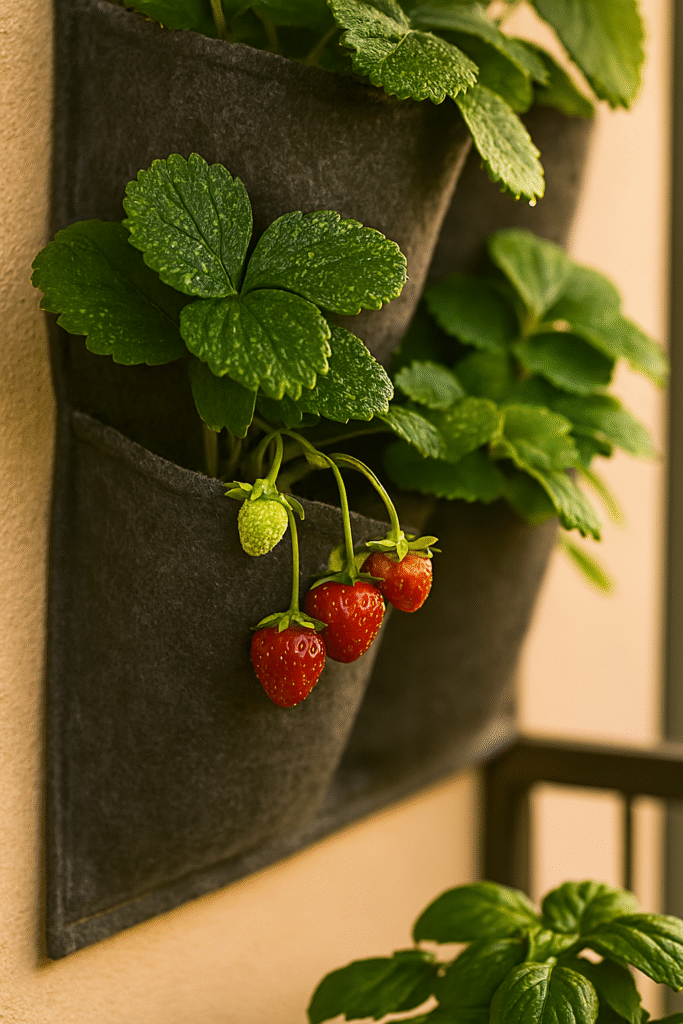
Fabric pocket planters mount to walls, fences, or railings using hooks or grommets, creating dozens of individual planting pockets. Each pocket holds soil and one plant, allowing you to grow herbs, strawberries, lettuce, or flowers vertically. The breathable fabric promotes healthy root development and prevents waterlogging.
Rigid vertical planters feature stacked compartments that create a living wall effect. These work beautifully for ornamental plants, succulents, and herbs. Look for systems with built-in irrigation that waters all levels simultaneously.
Selection Tips:
Choose pocket systems with reinforced grommets that won’t tear under weight. Ensure fabric is UV-resistant to prevent deterioration in sun. For rigid systems, verify mounting hardware is included and suitable for your wall type. Consider modular systems you can expand as your garden grows.
Best Uses: Herbs, strawberries, lettuce, succulents, trailing flowers, small ornamental plants
Popular Options: Gardener’s Supply Vertical Garden, Florafelt Vertical Garden Systems, Verti-Gro Pocket Planters


2. Tower Garden Systems
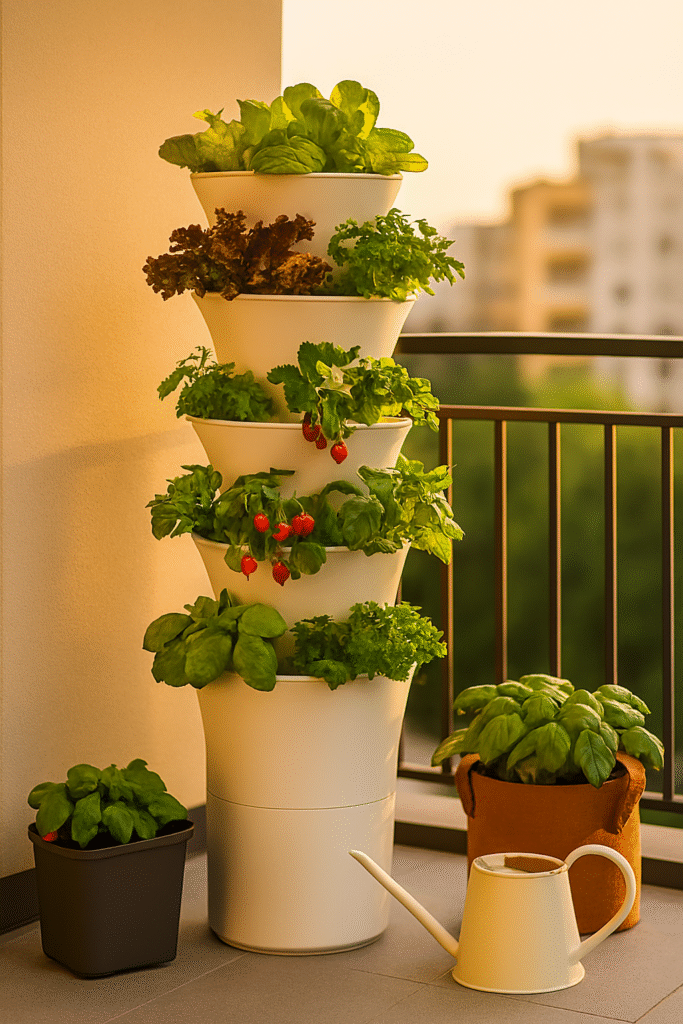
Freestanding tower gardens grow plants in vertically stacked levels, typically rotating around a central water reservoir. These innovative systems can grow 20-50 plants in just a few square feet.
Why They’re Revolutionary: patio garden accessories
Tower systems maximize production in minimal space – a single 2-square-foot footprint can yield the equivalent of a 50-square-foot traditional garden. The aeroponic or hydroponic design means no heavy soil, addressing weight concerns for balconies and rooftops.
Many tower systems include integrated lighting for indoor use and automated watering systems that circulate nutrients to all plant levels. This makes them ideal for apartments without outdoor space or for year-round growing.
Key Features to Consider:
Look for sturdy, UV-resistant materials that withstand outdoor elements. Capacity matters – some towers hold 20 plants while others accommodate 50+. Integrated reservoirs should hold enough water for several days between refills. Drainage systems must prevent overflow on balconies.
Best Uses: Leafy greens, herbs, strawberries, cherry tomatoes, peppers (compact varieties)
Popular Options: Lettuce Grow Farmstand, Garden Tower 2, Mr. Stacky Vertical Planter


3. Trellis and Support Structures
Compact trellis systems provide essential support for climbing plants while adding vertical interest to small gardens.
How They Maximize Space:
Training plants to grow vertically rather than sprawling outward multiplies your productive space. A single tomato plant in a 12-inch pot can produce dozens of tomatoes when properly supported on a trellis, versus just a few if left to sprawl.
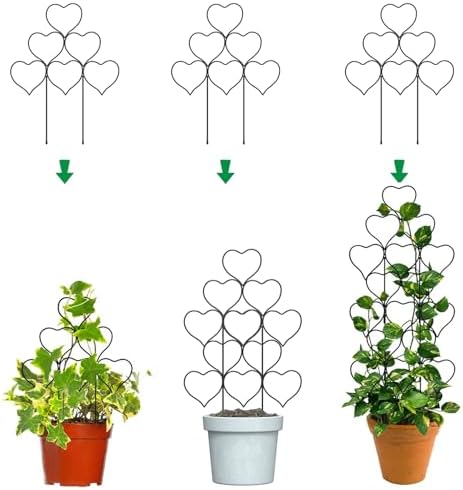
Folding trellis panels attach to walls or insert into containers, supporting cucumbers, peas, beans, small squash varieties, and flowering vines. Obelisk-style trellises add architectural interest while supporting multiple plants in a single container.
Selection Criteria:
Choose rust-resistant materials like powder-coated steel or treated wood. Ensure the trellis is proportionate to your space – an 8-foot trellis overwhelms a small balcony. Look for designs that secure firmly to prevent toppling. Adjustable or modular systems offer flexibility as plants grow.
Best Uses: Tomatoes, cucumbers, peas, beans, squash, climbing roses, clematis, morning glories
Popular Options: Gardener’s Supply Company Folding Trellis, Panacea Obelisk Trellis, Burpee Bamboo Trellis


4. Railing Planters and Deck Rail Boxes
Railing planters attach securely to balcony railings, utilizing often-overlooked space without consuming floor area.
Why They’re Brilliant:
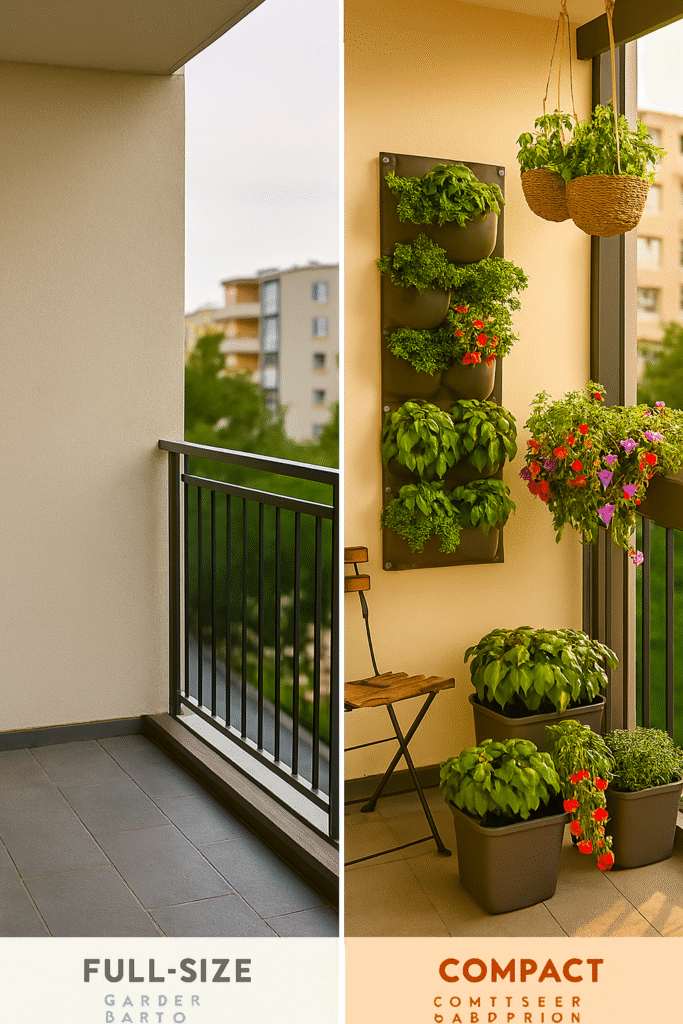
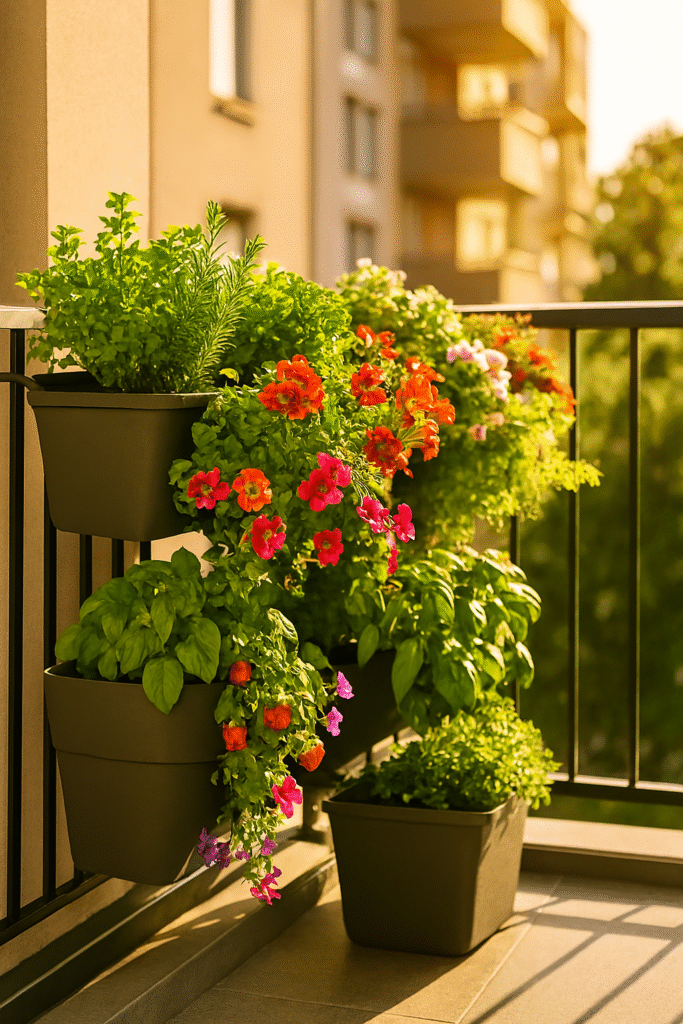
Railings offer prime growing real estate with excellent sun exposure and good air circulation. Specialized railing planters clamp or hook onto railings of various widths, creating instant garden beds that don’t take up precious floor space.
Modern designs feature self-watering reservoirs that reduce maintenance, drainage holes to prevent waterlogging, and secure mounting systems that prevent falling hazards. Many include overflow protection to avoid dripping onto neighbors below.
Important Considerations:
Verify compatibility with your railing dimensions – most adjust from 2-6 inches wide. Weight distribution matters; don’t overload one railing section. Check building regulations, as some apartments restrict railing attachments. Ensure planters have proper drainage that won’t drip onto lower balconies.
Best Uses: Herbs, flowers (petunias, geraniums), trailing plants (sweet potato vine), compact vegetables (lettuce, radishes)
Popular Options: Bloem Modica Deck Rail Planter, XL Deck Railing Planter, Lechuza Balconera Self-Watering Railing Planter

Container Solutions for Small Space Gardens
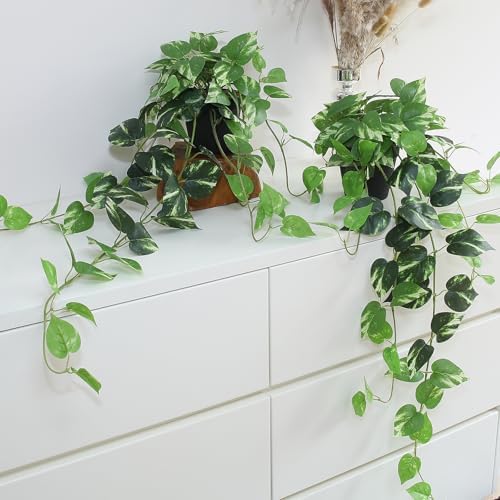
The right containers make all the difference in small space gardening success.
5. Self-Watering Containers and Planters
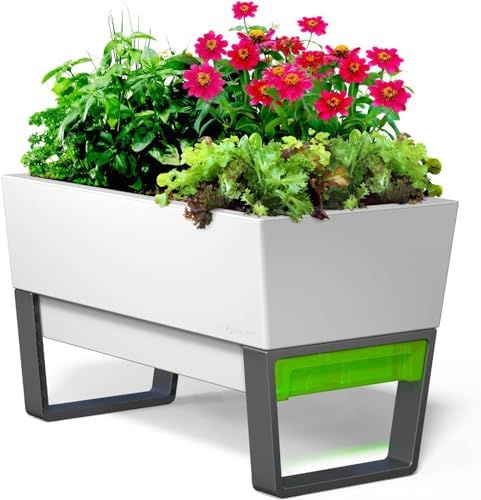
Self-watering containers feature built-in water reservoirs that wick moisture to roots as needed, dramatically reducing watering frequency.
Why They’re Game-Changers:
Small space gardens often mean limited water access and frequent watering trips. Self-watering containers maintain consistent soil moisture for days or even weeks, depending on size and weather. This prevents the feast-or-famine watering cycle that stresses plants.
The reservoir system delivers water directly to roots from below, reducing evaporation and preventing foliar diseases that occur with overhead watering. Overflow holes prevent waterlogging while indicator tubes show water levels at a glance.
Key Features:
Look for containers with substantial reservoir capacity – larger reservoirs mean longer periods between refills. Quality wicking systems are essential; cheaper models often fail to draw water effectively. Ensure containers include clear water level indicators and proper drainage overflow.
Sizes range from small 6-inch pots perfect for herbs to large 20-gallon containers suitable for tomatoes or small trees. Choose sizes appropriate to what you’re growing and your space constraints.
Best Uses: Tomatoes, peppers, herbs, flowers, any plants requiring consistent moisture
Popular Options: Lechuza Self-Watering Planters, Bloem Lucca Self-Watering Planter, EarthBox Container Garden System


6. Grow Bags and Fabric Pots
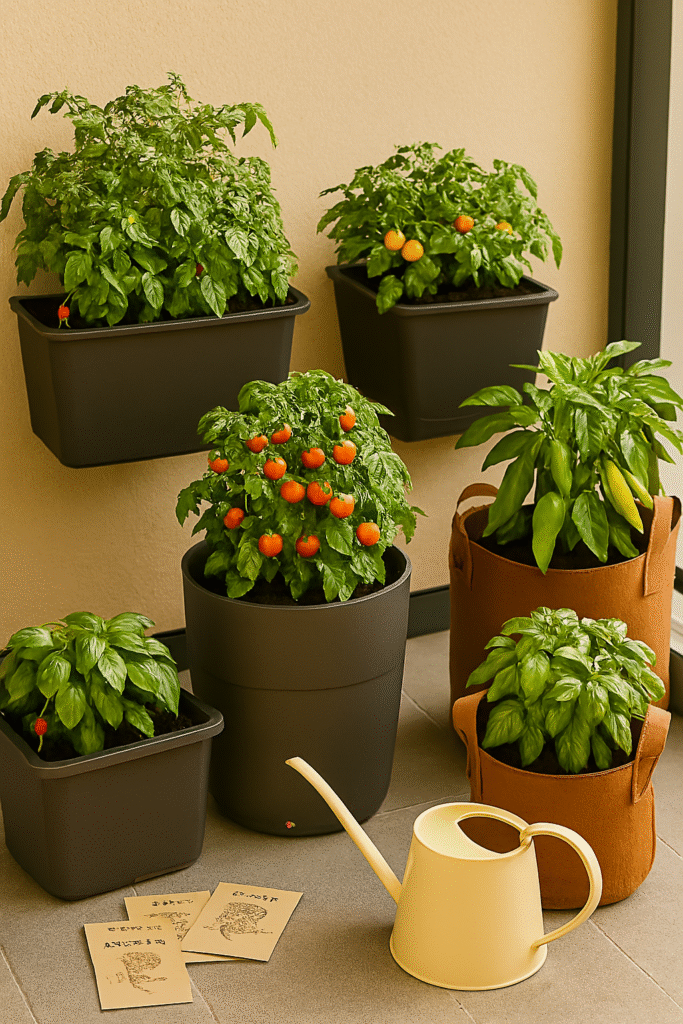
Lightweight fabric grow bags offer excellent drainage and air pruning of roots while being infinitely more portable than traditional pots.
Advantages Over Hard Pots:
Fabric pots prevent root circling through air pruning – when roots reach the fabric edge, they’re naturally pruned by air exposure, promoting dense fibrous root development instead of circling. This creates healthier plants with better nutrient uptake.
The porous fabric allows excess water to drain freely, nearly eliminating overwatering problems. Handles on larger bags make moving plants easy – crucial for small space gardeners who need to rearrange based on sun exposure or weather conditions.
Selecting Quality Grow Bags:
Thickness matters – look for bags made from at least 300GSM (grams per square meter) fabric. Thicker fabric lasts longer and provides better insulation. Reinforced handles are essential for larger sizes. Quality stitching at stress points prevents tearing when bags are full.
Sizes range from 1-gallon bags for herbs to 20+ gallon bags for trees or large vegetables. For balconies, stick with 3-10 gallon sizes that balance productivity with weight concerns.
Best Uses: Tomatoes, potatoes, peppers, herbs, flowers, almost any containerized plant
Popular Options: VIVOSUN Grow Bags, Root Pouch Fabric Containers, Smart Pots


7. Stackable and Modular Planters
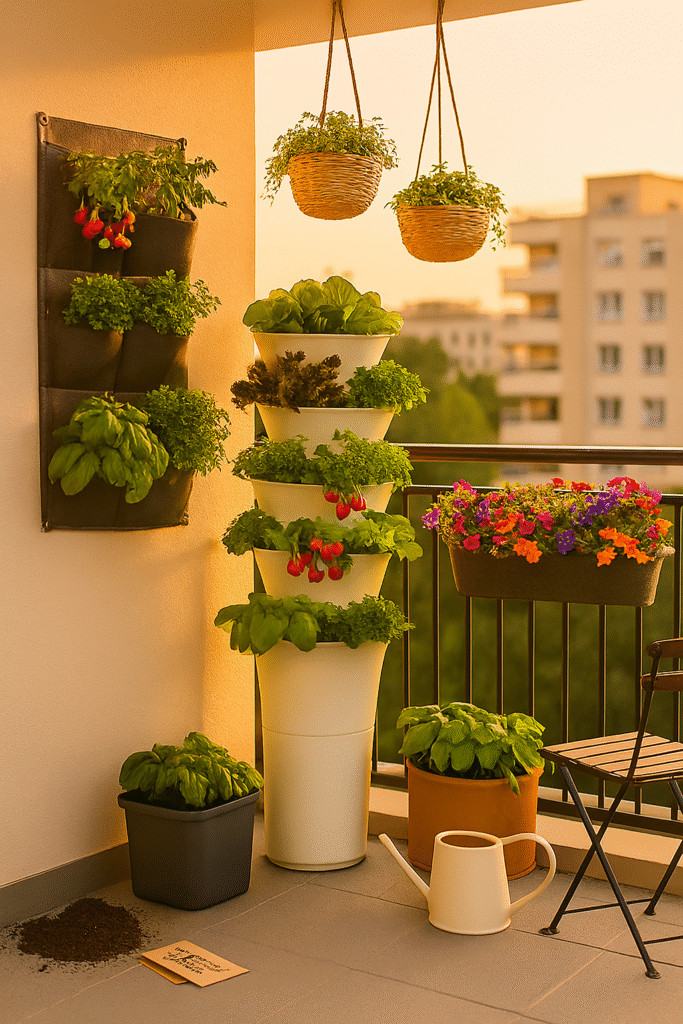
Stackable planters create vertical gardens by tiering multiple containers, perfect for growing strawberries, herbs, or flowers in minimal floor space.
How They Maximize Production:
Stackable systems typically feature 3-5 tiers that interlock securely, creating a tower of growing space from a single pot footprint. Each tier has its own growing pockets or openings, allowing you to grow multiple plants vertically.
The tiered design ensures all levels receive adequate light and air circulation. Watering the top tier allows excess water to filter down through lower levels, simplifying irrigation. These systems work beautifully on patios, balconies, or along walkways.
Design Considerations:
Stability is crucial – look for systems with wide bases that won’t topple in wind. Drainage between tiers should be adequate without creating waterfalls. Some systems include water reservoirs in the base for self-watering functionality.
Materials range from terracotta (heavy but attractive) to resin (lightweight and durable). For balconies, prioritize lightweight options with reliable mounting or weighted bases.
Best Uses: Strawberries, herbs, lettuce, flowers (petunias, pansies), succulents
Popular Options: Mr. Stacky Stacking Planter, GreenStalk Vertical Planter, Bloem Ariana Self-Watering Tower

8. Hanging Baskets and Planters
Hanging planters utilize overhead space, adding growing area without consuming any floor space – ideal for extremely limited areas.
Strategic Placement:
Overhead hooks, shepherd’s crooks, or ceiling-mounted brackets turn unused space above into productive gardens. Hanging planters work beautifully along balcony edges, from pergola beams, or on sturdy walls with appropriate hardware.
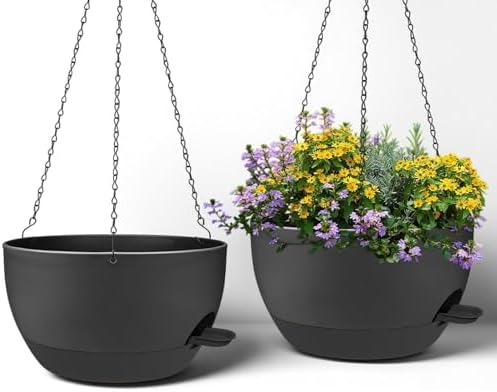
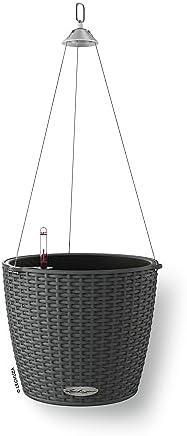
Modern hanging planters include self-watering designs with reservoirs that prevent constant dripping, making them balcony-friendly. Pulley systems allow you to lower baskets for easy watering and maintenance, then raise them back up.
Selection Guidance:
Weight when filled matters significantly – a 12-inch basket can weigh 20+ pounds when wet. Ensure mounting hardware is rated for the weight. For balconies, verify overhead attachment points are suitable. Resin planters are lighter than ceramic while still looking attractive.
Built-in saucers or self-watering designs prevent dripping onto furniture, floors, or downstairs neighbors. Look for hanging chains or cords that won’t rust or deteriorate in weather.
Best Uses: Trailing flowers (petunias, fuchsia), cherry tomatoes, strawberries, herbs, succulents
Popular Options: Bloem Lucca Self-Watering Hanging Planter, Robert Allen Home & Garden Resin Hanging Planter, Lechuza Hanging Basket

Compact Tools for Container Gardening
Full-size garden tools are overkill for small space container gardening. These compact alternatives are designed specifically for the task.
9. Hand Tool Sets for Container Gardening
Miniature hand tools sized for container work prevent damage to plants and allow precise work in tight spaces.
Essential Compact Tools:
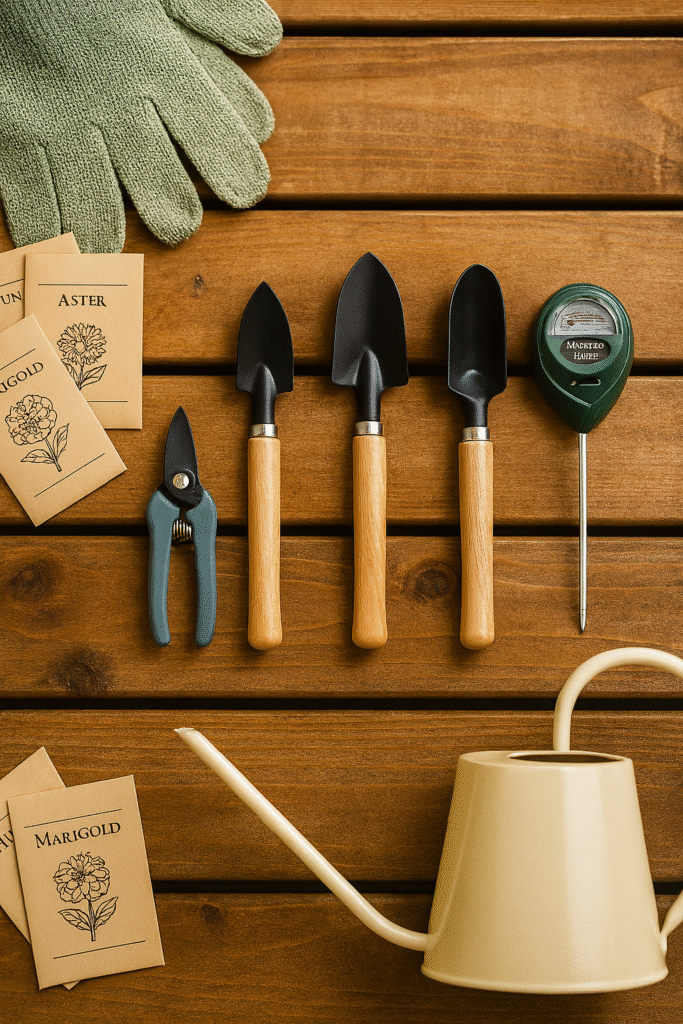
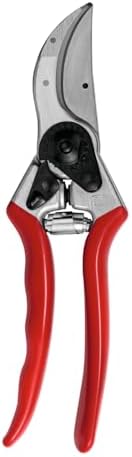
A container gardening tool set should include a small trowel (6-7 inches), compact cultivator, and pruning snips. These scaled-down versions let you work in tight spaces between plants without disturbing neighbors. The smaller size also means easier storage in apartments with limited space.
Look for sets with ergonomic handles that reduce hand fatigue. Stainless steel or aluminum construction prevents rust from constant exposure to moisture. Some sets include hanging loops for vertical tool storage.
Why Size Matters:
Full-size garden tools are designed for in-ground gardening with space to maneuver. In containers and small spaces, they’re awkward and can damage plants. Compact tools give you precision and control in tight quarters.
The reduced weight makes them easier to use for extended periods, especially important when working at balcony railing height or above shoulder level in vertical gardens.
Popular Options: Fiskars Softouch Micro-Tip Pruning Snips, Gardener’s Supply Mini Tool Set, Vremi Indoor Garden Tool Set


10. Soil Scoops and Funnels
Specialized scoops and funnels prevent spills when filling containers in tight spaces or elevated locations.
Why They’re Invaluable:
Pouring soil directly from bags in small spaces creates mess that’s difficult to clean, especially on balconies where spills can blow onto neighbors. Soil scoops with deep bowls control material precisely, while wide-mouth funnels direct soil into narrow container openings without waste.
For railing planters or vertical gardens at height, long-handled scoops let you fill containers without straining. Measurement markings on scoops help you add correct soil amounts to different sized containers.
Best Uses: Filling containers, adding amendments, measuring fertilizer, transplanting seedlings
Popular Options: Tierra Garden Soil Scoop, Corona Scoop, Garden Select Soil Funnel



Watering Solutions for Small Space Gardens
Efficient watering systems are crucial when hauling water to balconies or managing containers without hose access.
11. Watering Cans with Extended Spouts
Long-spout watering cans reach containers in tight spaces and elevated locations without water spilling on floors or railings.
Design Features That Matter:
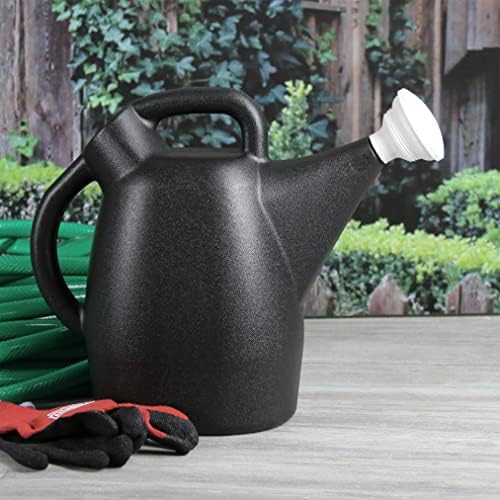
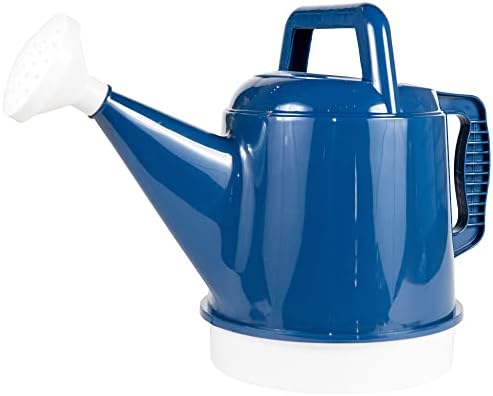
A detachable rose (the sprinkler head) provides versatility – remove it for targeted watering of individual plants or attach it for gentle shower watering of seedlings. Spouts of 12-15 inches reach deep into planters and hanging baskets without straining.
Dual handles (one on top, one on back) improve control and reduce fatigue. Translucent materials or viewing strips show water levels at a glance. Capacity between 1-2 gallons balances water quantity with manageable weight for carrying.
Best Uses: All container watering, particularly hanging baskets and hard-to-reach planters
Popular Options: Haws Professional Watering Can, Behrens Steel Watering Can, Bloem Deluxe Watering Can

12. Drip Irrigation Kits for Small Spaces
Automated drip systems deliver water directly to container roots on a timer, virtually eliminating the daily watering chore.
How They Transform Small Space Gardening:
Micro-drip systems connect to outdoor faucets or work with gravity-fed reservoirs for balconies without water access. Drip emitters placed in each container deliver precise water amounts directly to root zones, conserving water while maintaining consistent moisture.
Battery-powered timers control watering frequency and duration, handling daily watering even when you’re away. This makes vacation watering stress-free and ensures consistent plant care that improves growth and yields.
System Components:
Quality kits include main supply tubing, drip emitters of various flow rates, stakes to hold emitters in place, connectors, and a timer. Some include pressure regulators that prevent blowing out emitters. Expandable systems let you add containers as your garden grows.
Installation Tips: Plan system layout before installing. Place emitters near plant stems for efficient root watering. Test the system before relying on it. Clean emitters periodically to prevent clogging from mineral deposits.
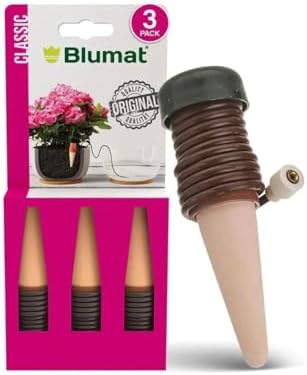
Popular Options: DIG Drip Irrigation Kit, Raindrip Automatic Container System, Blumat Classic Self-Watering Stakes


13. Moisture Meters and Probes
Moisture meters eliminate guessing when containers need water, preventing both overwatering and underwatering.
Why They’re Essential:
Container gardens dry out unevenly – top soil may appear dry while deeper soil remains wet. Watering based on surface appearance leads to overwatering, root rot, and plant death. Moisture meters inserted into root zones show actual moisture levels where it matters.
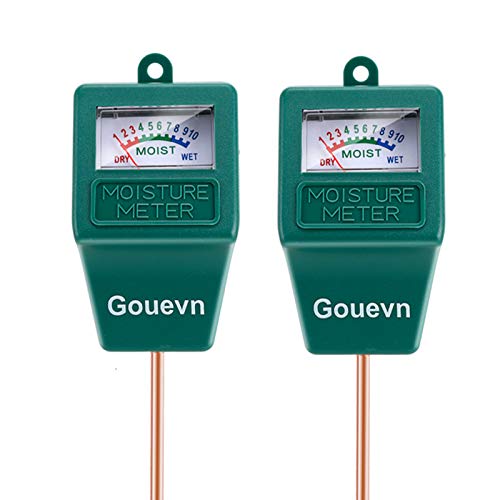
Simple analog meters require no batteries and provide instant readings. Digital meters offer more precision and some include additional measurements like pH and light levels. Either type prevents the most common container gardening mistake: improper watering.
Using Moisture Meters Effectively:
Insert probe to root depth (usually 2-4 inches) in multiple locations around container. Water when meter reads in the dry zone, but before plants show stress. Different plants have different moisture preferences – adjust watering based on specific needs.
Popular Options: XLUX Soil Moisture Meter, Atree 3-in-1 Soil Tester, Gouevn Plant Moisture Meter


Organization and Storage Accessories
Small spaces require thoughtful organization to prevent clutter while keeping supplies accessible.
14. Vertical Tool Storage Racks
Wall-mounted tool racks keep gardening supplies organized and off the floor, crucial in limited spaces.
Space-Saving Storage:
Pegboards, hook systems, or specialized garden tool organizers mount to balcony walls or fence sections, creating accessible storage that doesn’t consume floor space. Tools hang within easy reach, making garden tasks more efficient.
Look for weather-resistant materials if storage is outdoors. Adjustable systems accommodate tools of various sizes. Some racks include baskets or shelves for storing gloves, seeds, small accessories, and fertilizers.
Popular Options: Rubbermaid FastTrack Garage Organization System, IKEA SUNNERSTA Rail System, Gladiator GearTrack


15. Potting Bench or Folding Work Table
Compact potting benches provide a dedicated work surface that folds away when not in use.
Why They’re Worth It:
Container gardening involves frequent transplanting, soil mixing, and maintenance tasks that create mess. A dedicated work surface keeps mess contained and protects balcony surfaces. Folding designs collapse to just a few inches for storage against walls.
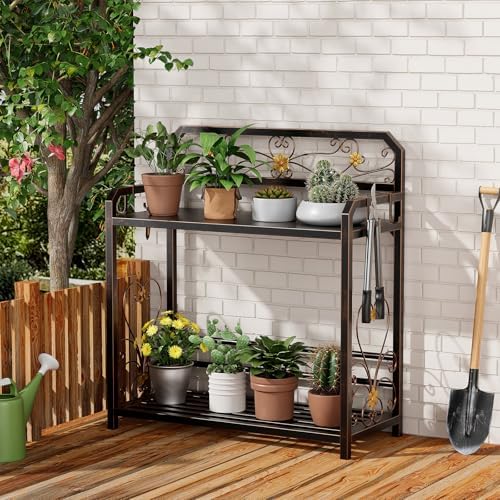
Features to seek include lower shelves for storing soil bags and pots, raised edges to contain spills, and weather-resistant construction. Some include hooks for hanging tools and built-in soil bin storage.
Popular Options: Potting Benches USA Folding Cedar Bench, Yaheetech Outdoor Garden Work Bench, Merry Garden Potting Bench


Lighting Accessories for Low-Light Spaces
Many small space gardens lack adequate natural light. Supplemental lighting expands what you can grow.
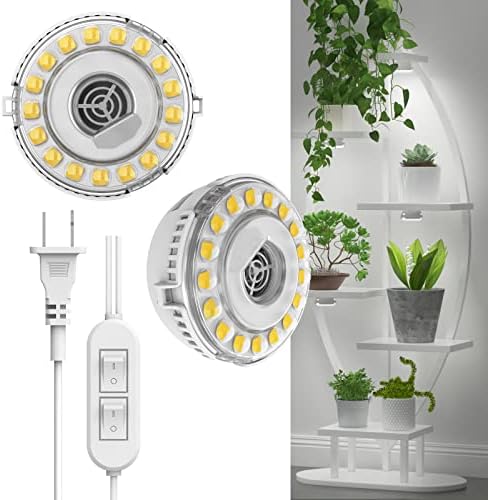
16. LED Grow Lights for Balconies and Indoors
Full-spectrum LED grow lights supplement natural light or enable completely indoor gardening.
When They’re Necessary:
North-facing balconies, shaded patios, or indoor gardens often lack sufficient light for productive growth. LED grow lights provide the complete light spectrum plants need for photosynthesis, flowering, and fruiting.
Modern LEDs are energy-efficient, produce minimal heat (won’t burn plants or heat up small spaces), and last for years. Adjustable stands or clip-on designs accommodate different container heights and configurations.
Selecting Appropriate Lights:
Full-spectrum white LEDs work for all growth stages. Blue light promotes leafy growth while red light encourages flowering and fruiting. For small spaces, 20-50 watt fixtures typically suffice. Timer-controlled lights automate day/night cycles.
Measure your growing area and choose lights with appropriate coverage. Most manufacturers specify square footage coverage. Lights should be adjustable in height to remain close to growing plants.
Best Uses: Herbs, lettuce, microgreens, seedlings, any plants in low-light areas
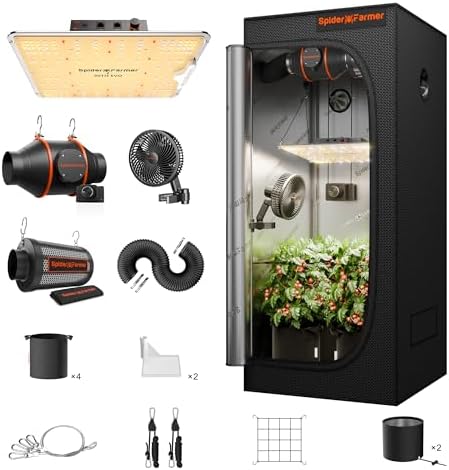
Popular Options: Spider Farmer LED Grow Light, SANSI Full Spectrum Grow Light, GE BR30 LED Grow Light Bulbs

Soil and Amendment Accessories
Container gardens need specialized soil and regular amendments to maintain fertility.
17. Quality Container Potting Mix
Premium potting mixes designed specifically for containers provide drainage, aeration, and water retention that garden soil can’t match.
Why Garden Soil Doesn’t Work:
Regular garden soil compacts in containers, suffocating roots and preventing drainage. Container potting mixes contain peat moss or coco coir, perlite or vermiculite, and compost in proportions that maintain structure in containers.
Quality mixes are lightweight (important for balconies with weight restrictions) and retain moisture while draining excess water. Many include slow-release fertilizer that feeds plants for several months. Organic options appeal to those growing edibles.
What to Look For:
Check that the mix is specifically labeled for containers, not “garden soil” or “topsoil.” Ingredients should include moisture-retaining material (peat or coco coir), drainage material (perlite or vermiculite), and organic matter (compost). Some mixes include beneficial mycorrhizae fungi that enhance root development.
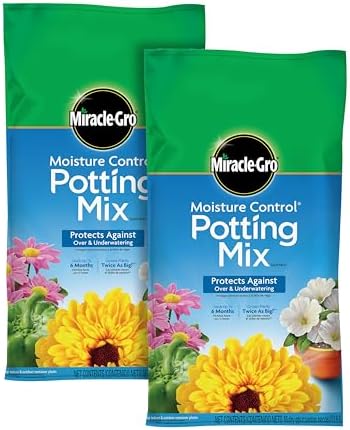
Popular Options: FoxFarm Ocean Forest Potting Soil, Miracle-Gro Moisture Control Potting Mix, Espoma Organic Potting Mix


18. Compact Compost Bins
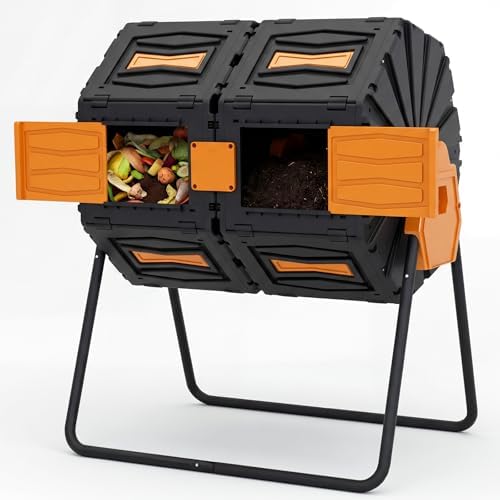
Small-scale composters turn kitchen scraps into nutrient-rich fertilizer without requiring yard space.
Composting in Small Spaces:
Countertop composters, worm bins (vermicomposting), and bokashi buckets allow apartment dwellers to compost without odors or space concerns. The finished compost provides free, organic fertilizer for container gardens.
Worm composting (vermicomposting) works indoors, requires minimal space (under kitchen sinks work well), and produces high-quality compost and liquid fertilizer. Bokashi systems ferment food waste in sealed buckets, handling meat and dairy that traditional composting can’t process.
Getting Started: Start small with a countertop composter or small worm bin. Add vegetable scraps, coffee grounds, and eggshells regularly. Harvest finished compost every few months to amend container soil.
Popular Options: Vitamix FoodCycler Composter, Urban Worm Bag Worm Composter, Bokashi Composting Starter Kit


Protection and Support Accessories
Small space gardens need protection from elements and pests.
19. Wind Screens and Privacy Panels
Mesh screens or panels protect plants from damaging winds while adding privacy to balcony gardens.
Why Wind Protection Matters:
Exposed balconies and rooftops experience stronger winds that desiccate plants, break stems, and topple containers. Wind screens reduce wind speed by 50-70% while still allowing air circulation that prevents fungal diseases.
Lattice panels, shade cloth, or specialized wind screen fabric attach to railings or posts, creating a protective barrier. Bonus: they also provide privacy and vertical growing surfaces for climbing plants.
Selection Considerations:
Choose materials that complement your space aesthetics. Ensure screens are secured properly to prevent them becoming wind hazards themselves. Permeable materials work better than solid barriers which can create damaging wind turbulence.
Popular Options: Coolaroo Exterior Shade Fabric, Tenax Wind Screen, Allstate Wall Trellis Privacy Screen


20. Insect Netting and Row Covers
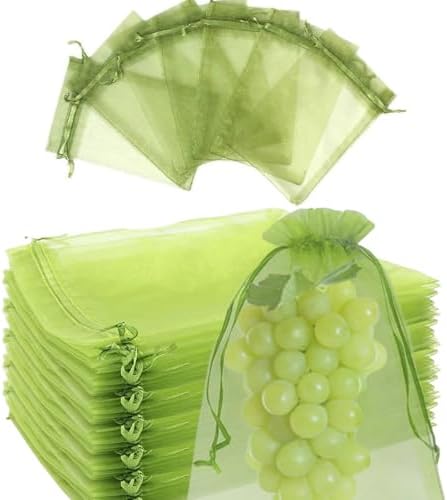
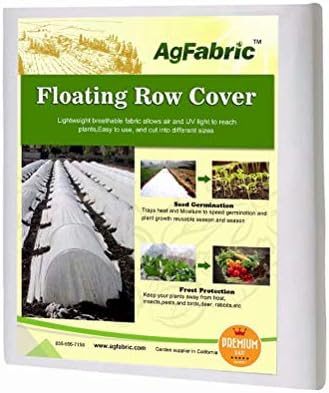
Lightweight fabric covers protect plants from pests without using chemical pesticides.
Organic Pest Control:
Floating row covers or fine mesh netting drape over plants or frames, creating physical barriers against aphids, beetles, caterpillars, and other pests. The breathable fabric allows light, air, and water to reach plants while excluding insects.
This method is particularly valuable in small spaces where pesticide drift is a concern for neighbors or indoor areas. It’s also essential for organic growing.
Application Tips:
Secure edges with clips or weights to prevent pests from entering underneath. Remove covers when plants flower if they need pollinator access. Reusable covers last multiple seasons with proper care.
Popular Options: Agfabric Floating Row Cover, Garden Netting Barrier Bags, Valibe Insect Netting

Maximizing Your Small Space Garden Success
Start with the Essentials
Don’t buy everything at once. Start with quality containers, good potting soil, and basic hand tools. Add specialized accessories as you identify specific needs in your garden.
Prioritize Vertical Solutions
In small spaces, vertical growing multiplies your capacity more than any other strategy. Invest in quality vertical planters, trellises, or tower systems early.
Choose Self-Watering When Possible
Consistent moisture is crucial for container success but time-consuming to maintain. Self-watering containers and drip systems are worthwhile investments that pay dividends in time savings and better plant health.
Invest in Quality Where It Matters
Buy the best quality you can afford for items you’ll use frequently – containers, hand tools, and watering equipment. These impact your daily experience and last for years. Save on accessories used occasionally.
Optimize for Your Specific Space
A sunny balcony needs different accessories than a shaded patio. Assess your specific light, wind, water access, and weight restrictions before purchasing. Buy solutions to your actual constraints.
Think Modular and Expandable
Choose systems you can expand as your interest grows. Modular vertical gardens, extendable irrigation systems, and stackable containers allow you to start small and scale up.
Common Small Space Gardening Mistakes to Avoid
Overbuying Before Understanding Needs
Resist purchasing every clever accessory you see. Live with your space for a season to understand what you actually need versus what looks appealing.
Ignoring Weight Restrictions
Balconies have weight limits. Wet soil is surprisingly heavy – a 20-gallon container can weigh 150+ pounds when wet. Distribute weight evenly and verify your space’s capacity.
Choosing Style Over Function
Beautiful containers without drainage holes, adorable tiny tools that don’t actually work – prioritize function in small spaces where every item must perform.
Underestimating Watering Needs
Container gardens dry out quickly, especially in wind and sun. Plan for realistic watering – automate when possible or choose extremely drought-tolerant plants.
Blocking Access Paths
In truly small spaces, you need to access all plants for maintenance. Ensure your layout allows you to reach everything without climbing over plants or railings.
Using Poor Quality Soil
Cheap potting soil compacts quickly, contains weed seeds, or lacks nutrients. Quality potting mix is the foundation of container gardening success – don’t economize here.
Create Your Dream Garden in Any Space
Transforming a small space into a productive garden is absolutely achievable with the right small space gardening accessories. The specialized tools, containers, and systems designed specifically for balcony garden supplies and container gardening essentials make it possible to grow an impressive variety of plants in even the tiniest areas.
Remember that successful small space gardening is about working smarter, not harder. Vertical solutions multiply your growing area. Self-watering systems reduce maintenance. Quality compact tools make tasks easier. Each accessory should solve a specific challenge your space presents.
Start with the basics – good containers, quality soil, essential hand tools, and a solid watering plan. Add specialized accessories as you discover what your specific garden needs. Your small space garden will evolve over time, becoming more productive and beautiful with each season.
The joy of harvesting fresh herbs steps from your kitchen, growing colorful flowers on your balcony, or producing your own vegetables in the city makes every investment in quality urban gardening supplies worthwhile. Your small space has tremendous potential – the right accessories help you unlock it.
What’s your biggest small space gardening challenge? Which accessories are you most excited to try? Share your tiny garden wins and questions in the comments below, and bookmark this guide as your reference for creating a thriving garden in any size space!