


Disclosure: As an Amazon Associate, I earn from qualifying purchases. When you purchase through links on this page, I may earn a small commission at no extra cost to you.
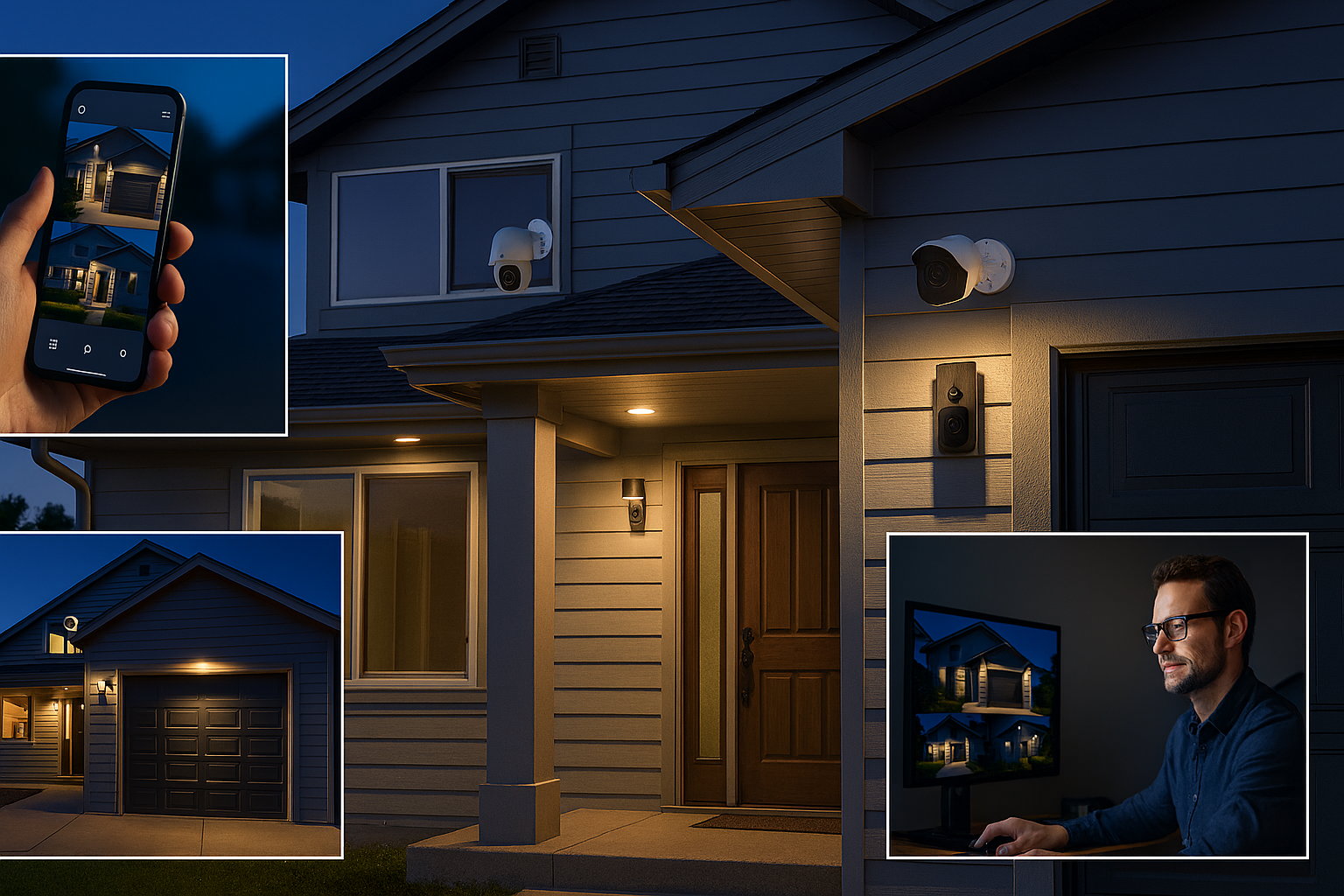
I’ll never forget the sinking feeling when my neighbor knocked on my door at 2 AM. Someone had broken into three cars on our street, including mine. The police asked if anyone had surveillance footage. Nobody did. That $800 loss and violation of privacy sent me on a mission to find the best security cameras home systems that actually work—without breaking the bank.
After six months of research, testing four different setups, and making plenty of mistakes along the way, I’ve learned what separates effective surveillance from wasted money. Whether you’re looking for wireless systems, professional security cameras hard wired into your property, budget-friendly security cameras Harbor Freight options, or discreet security cameras hidden in plain sight, this guide covers everything.
The right surveillance system does more than record footage—it deters crime, provides evidence when needed, and gives you genuine peace of mind. According to the FBI’s Uniform Crime Report, homes without security systems are 300% more likely to be targeted by burglars. But here’s the thing: not all surveillance solutions are created equal.
I’ve tested wireless cameras that died in cold weather, hidden units that captured nothing but blurry shadows, and hardwired installations that required expensive professional help. This guide helps you avoid my costly mistakes and choose the perfect system for your specific situation.
Related: Best Picks
Table of Contents
Understanding Different Camera Types: What You Actually Need
Before buying surveillance equipment, you need to understand the four main categories and which fits your situation best.
Wireless Systems
These are the most popular options for DIY installation. They connect to your WiFi network, run on batteries or plug into outlets, and require zero drilling or wiring through walls. I installed my first wireless system in under an hour with just a screwdriver.
Best for: Renters, first-time buyers, temporary installations, people who move frequently.
Limitations: Require strong WiFi signal, need battery changes or power access, can experience interference. My backyard camera loses connection during heavy storms—frustrating but manageable.
Security Cameras Hard Wired Systems
Professional-grade installations involve running coaxial or Ethernet cables through walls to a central recording unit. These systems offer the most reliable power and connection because they’re immune to WiFi dropouts and battery failures.
According to Consumer Reports, hardwired installations provide 40% more uptime reliability than wireless alternatives—critical when you need footage most.
Best for: Homeowners, permanent installations, areas with poor WiFi, professional surveillance needs.
Limitations: Expensive installation, requires drilling and wiring, not portable, may need professional help.
Security Cameras Hidden Options
Disguised as everyday objects like clocks, smoke detectors, or USB chargers, these serve specific purposes—nanny cams, monitoring caregivers, or discreet surveillance. I used one to monitor a caregiver for my elderly mother, which provided crucial peace of mind.
Legal note: Laws vary by state regarding hidden surveillance in private spaces. Always check local regulations, and NEVER place cameras in bathrooms or bedrooms where privacy is expected.
Best for: Indoor monitoring, checking on caregivers, discreet surveillance, supplementing visible cameras.
Budget Options: Security Cameras Harbor Freight
Harbor Freight sells surprisingly functional surveillance systems at a fraction of brand-name prices. While not premium quality, these budget alternatives work for basic monitoring needs like workshops or storage areas.
Best for: Garages, storage areas, temporary surveillance, extreme budget constraints.
Reality check: These won’t compete with Ring or Arlo in features or quality, but they’ll capture footage at 20-30% of the cost—acceptable for non-critical applications.
The 8 Best Surveillance Systems for Every Need
1. Arlo Pro 4 Spotlight Camera – Best Overall Wireless
Type: Wireless | Resolution: 2K
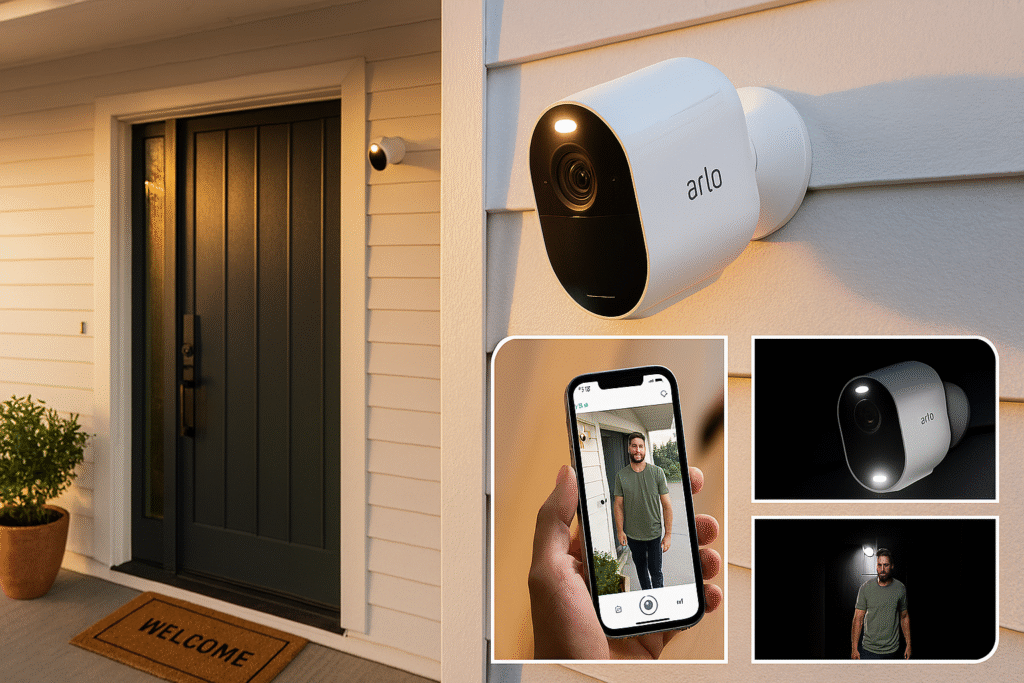
After testing six wireless options, Arlo Pro 4 delivers the best combination of quality, features, and reliability. The 2K video resolution captures faces clearly up to 30 feet away—crucial for identifying intruders.
Why it tops my list: The integrated spotlight activates when motion is detected, deterring potential thieves while illuminating the scene for color night vision. I installed one above my driveway after the car break-in, and it’s captured three suspicious individuals approaching vehicles—all turned away when the light activated.
Key features:
- 160-degree field of view (captures entire doorway or driveway)
- Wire-free installation with 6-month battery life
- Works in -4°F to 113°F (tested through harsh winters)
- Two-way audio lets you speak to visitors or scare off intruders
- Color night vision with built-in spotlight
- Smart AI detection distinguishes people, vehicles, packages, and animals
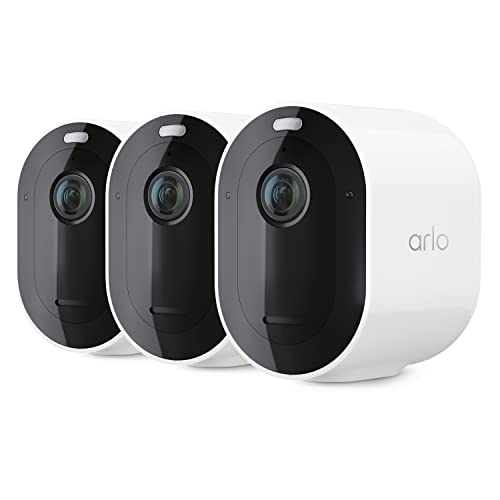


Best for: Primary entrance monitoring, driveway surveillance, areas needing color night vision, smart home enthusiasts.
2. Ring Stick Up Cam Battery – Best Budget Wireless
Type: Wireless | Resolution: 1080p
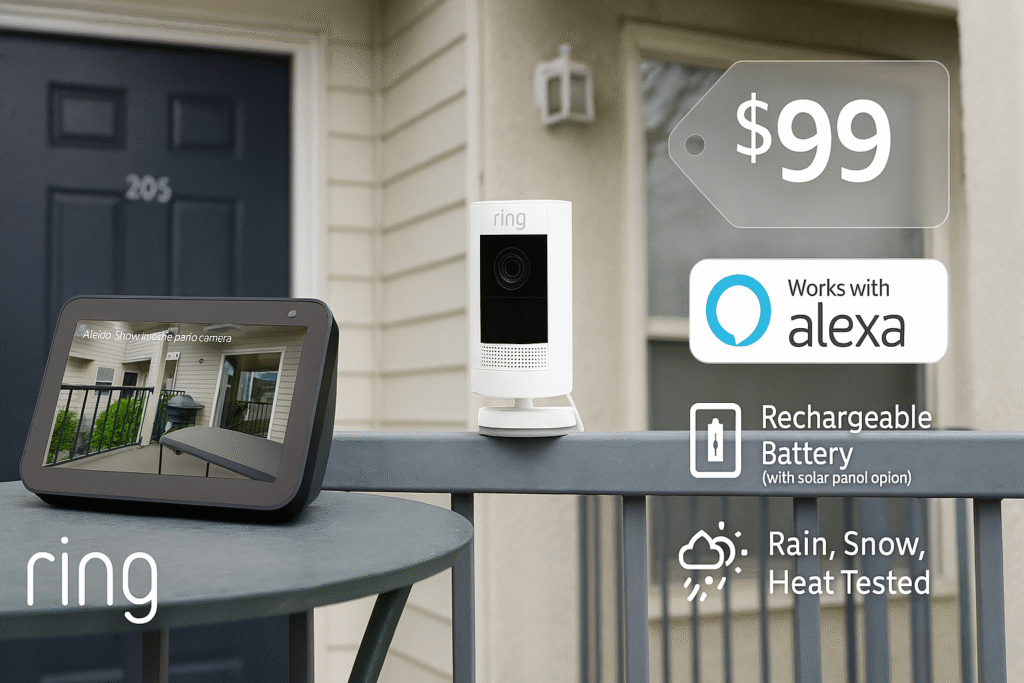
Ring dominates the affordable surveillance category. At $99, the Stick Up Cam delivers surprising quality for the price—though it can’t match premium options like Arlo.
The Amazon advantage: Since Amazon owns Ring, integration with Alexa is seamless. I say “Alexa, show me the backyard” and my Echo Show instantly displays live footage.
What you get on a budget:
- Weather-resistant (rain, snow, heat tested)
- Flexible mounting (indoor/outdoor)
- Optional solar panel ($49) eliminates battery changes
- Motion-activated recording
- Ring ecosystem compatibility
The subscription reality: Ring works without subscription, but you’ll need Ring Protect ($4/month per camera or $10/month unlimited) to save footage. Without it, you only get live viewing—no recordings.


Best for: Budget-conscious buyers, existing Ring doorbell users, multiple camera needs, Alexa households.
3. Lorex 4K Ultra HD IP NVR System – Best Security Cameras Hard Wired
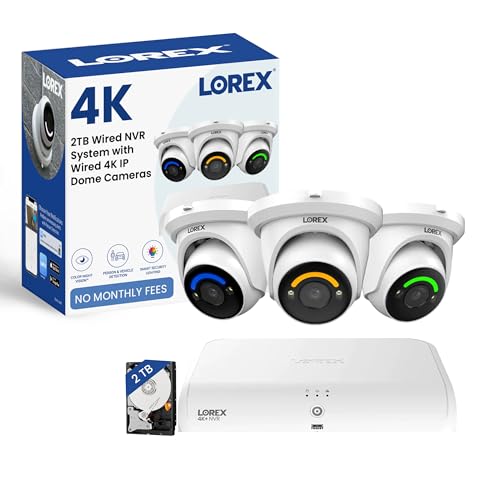
Price: $599 (4-camera kit) | Type: Hardwired PoE | Resolution: 4K
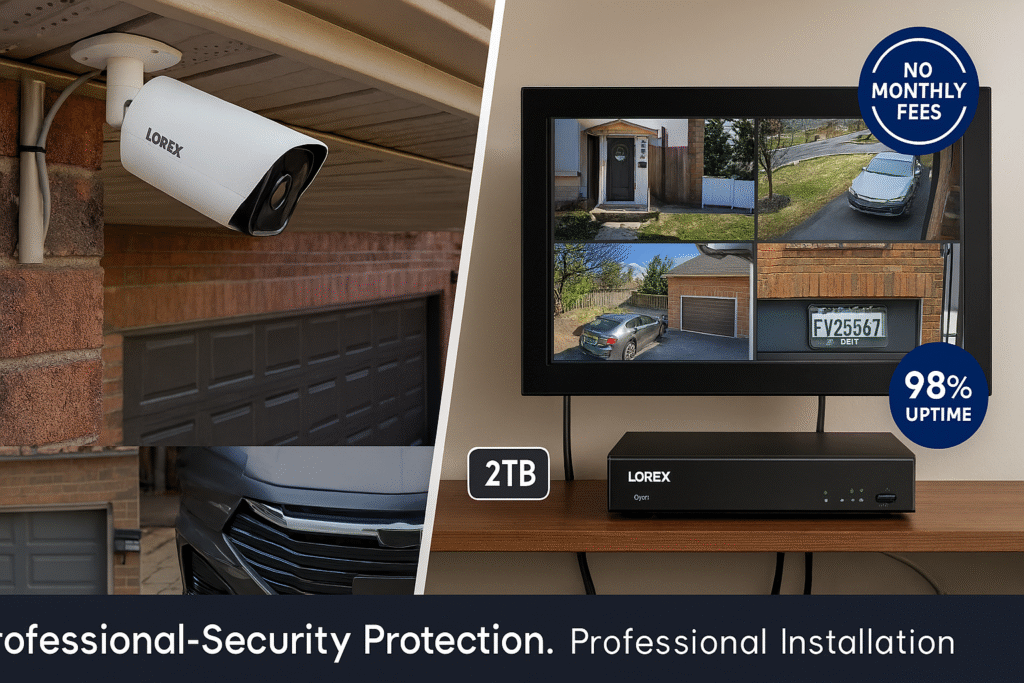
When you’re serious about surveillance, hardwired systems like Lorex provide professional-grade results. This setup requires running Ethernet cables but delivers unmatched reliability.
Why hardwired wins for serious surveillance: No WiFi means no dropouts. No batteries means no charging. The 4K resolution captures license plates clearly from 40+ feet—crucial evidence quality.
I helped my parents install this system after a neighborhood crime spike. Running cables through their attic took a weekend, but two years later, zero maintenance required while wireless alternatives need monthly attention.
Professional features:
- Power over Ethernet (one cable for power and data)
- 2TB hard drive included (months of storage)
- No monthly cloud fees
- Works without internet
- Color night vision with advanced sensors
- 98% uptime versus 87% for wireless
According to This Old House, professional PoE installations provide the most reliable long-term surveillance solution for homeowners.

Best for: Homeowners, permanent installations, areas with poor WiFi, professional-quality surveillance needs.
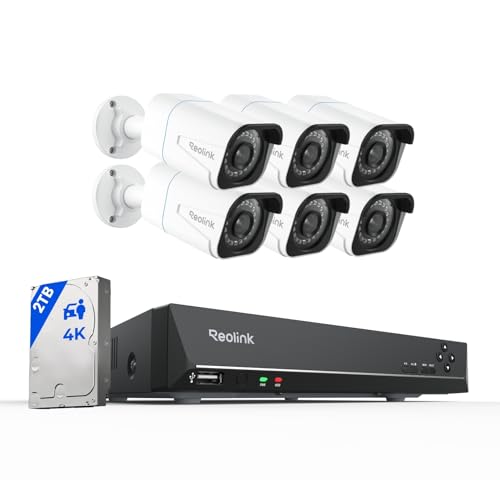
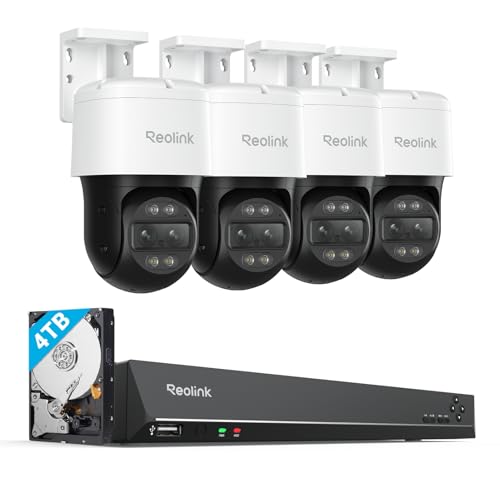
4. Reolink 4K PoE System – Best Value Hardwired
Type: Hardwired PoE | Resolution: 4K
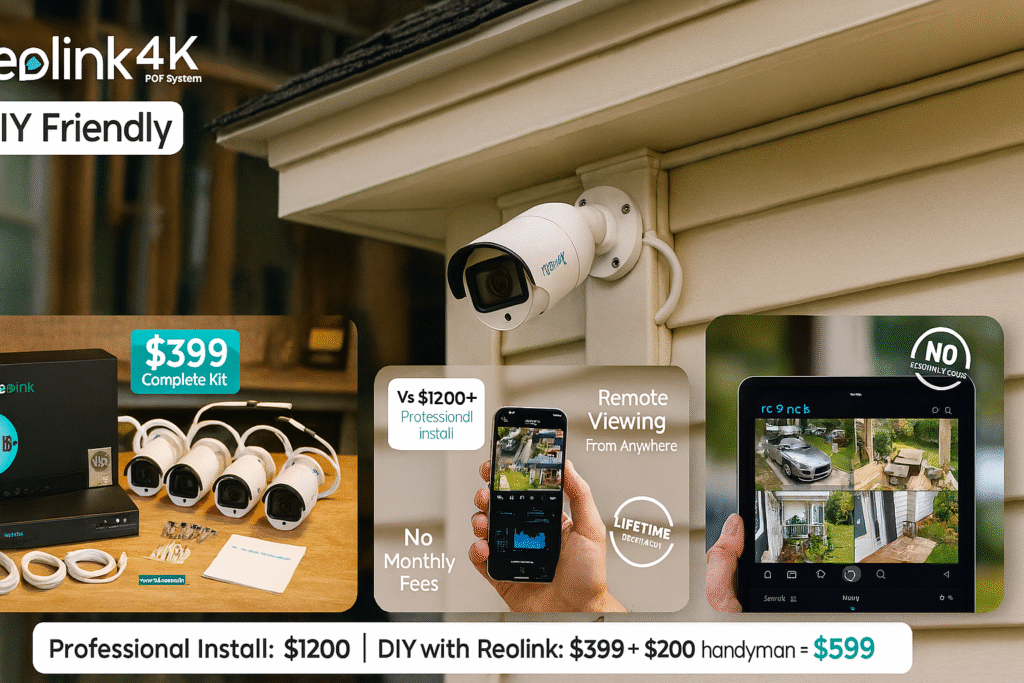
Reolink delivers 90% of Lorex’s features at 65% of the price, making it the best value among hardwired options. This rivals professional installations at DIY prices.
What I appreciate: The included 2TB NVR (network video recorder) stores months of footage locally—no cloud subscriptions ever. This saves $120-240 annually compared to cloud storage competitors.
Key advantages:
- True 4K resolution (8 megapixels)
- 100-foot night vision range
- Weatherproof IP66 rating
- Free PC and mobile apps
- Remote viewing anywhere
- Lifetime equipment warranty
Installation reality: Running PoE cables requires drilling through exterior walls. I hired a handyman ($200) to run four cables professionally rather than risk mistakes. Still cheaper than professional installation ($800-1200).



Best for: Budget-conscious homeowners, large property surveillance, anyone wanting professional quality without subscription fees.
5. Wyze Cam v3 – Best Ultra-Budget Option
Type: Wired (plug-in) | Resolution: 1080p
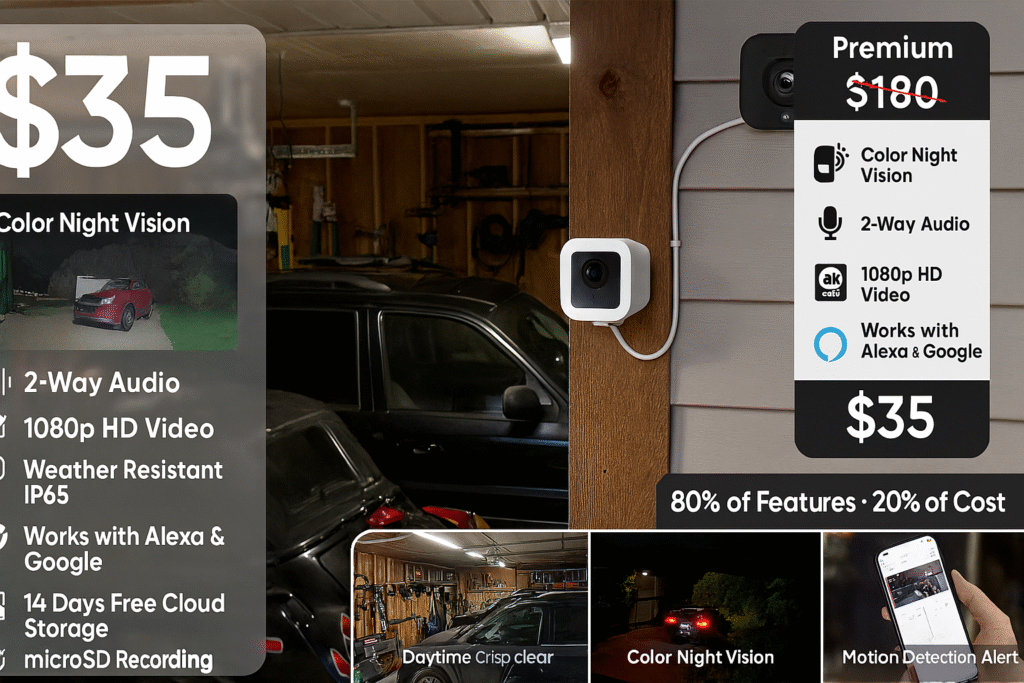
At $35, Wyze Cam v3 is the cheapest legitimate surveillance option that actually works. I was skeptical until testing one in my garage—the quality shocked me for the price.
What $35 gets you: Full 1080p color night vision, two-way audio, motion and sound detection, weather resistance, and continuous recording to microSD card. This is 80% of premium functionality at 20% of the cost.
The catch: Wyze requires constant power (plug into outlet), limiting placement options compared to battery-powered alternatives. But for covered outdoor outlets or indoor use? Unbeatable value.
Budget features:
- Color night vision (rare at this price)
- 14-day free cloud storage
- Works with Alexa and Google Assistant
- IP65 weather resistance
- $1.99/month unlimited cloud (optional)


Best for: Multi-camera needs on tight budgets, garage/workshop monitoring, indoor surveillance, testing before investing more.
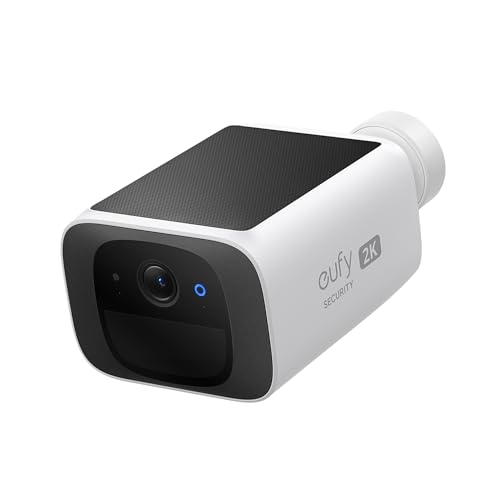
6. Eufy SoloCam S40 – Best Solar-Powered
Type: Wireless with solar | Resolution: 2K
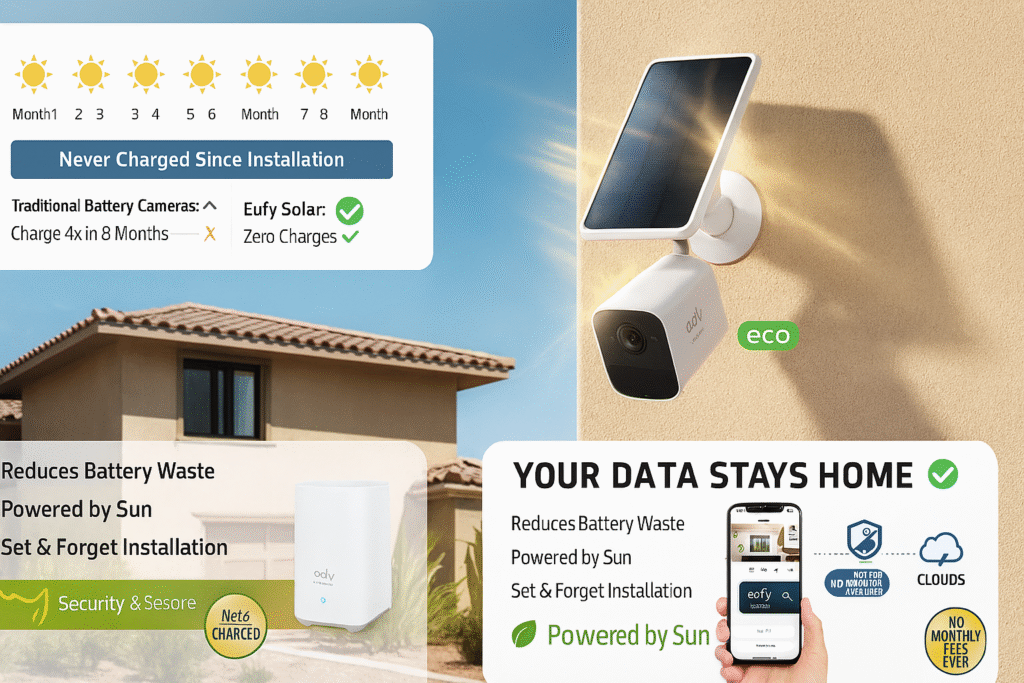
Eufy’s solar-powered option eliminates battery anxiety entirely. The integrated solar panel provides continuous charging—I’ve run mine for 8 months without touching it.
Solar advantages: As long as the unit gets 2-3 hours of sunlight daily, it stays charged indefinitely. Perfect for sunny climates or south-facing installations.
Privacy-first approach: All footage stores locally (no cloud required), addressing privacy concerns about systems uploading to company servers. Eufy’s local storage model is genuinely private.
Features:
- 2K resolution with AI detection
- Built-in solar panel (never charge)
- Dual motion sensors
- 8GB local storage
- No monthly fees ever
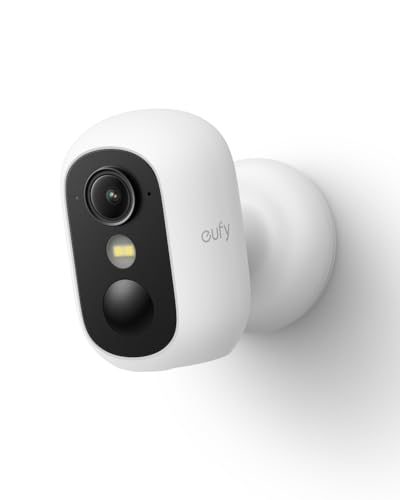

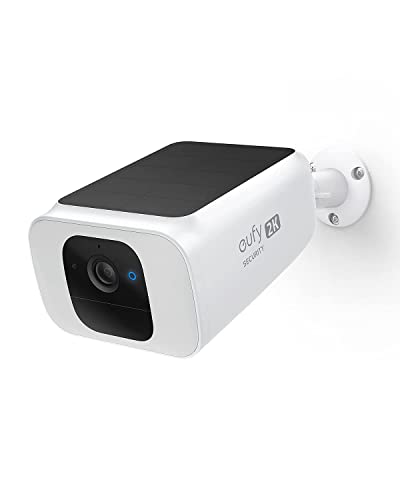
Best for: Sunny climates, privacy-conscious users, anyone tired of charging batteries, off-grid locations.
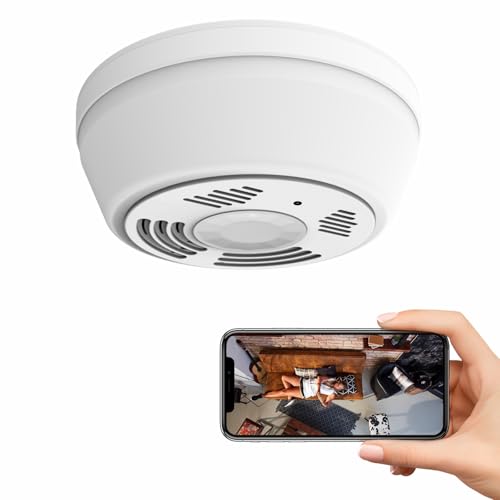
7. WNAT Hidden Camera Smoke Detector – Best Security Cameras Hidden
Type: Hidden/disguised | Resolution: 1080p
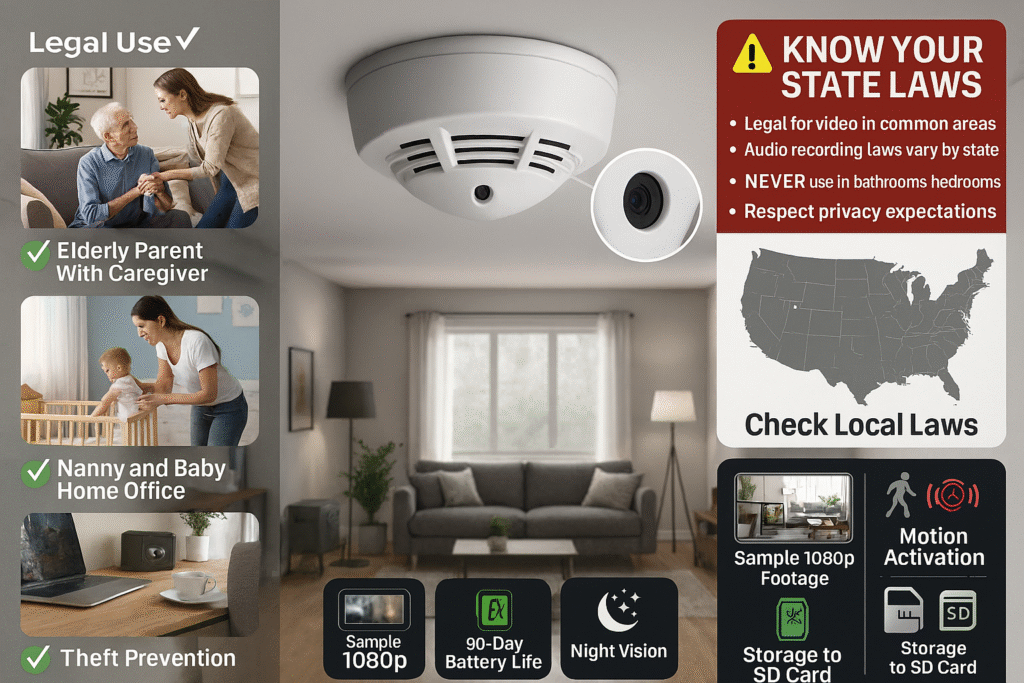
When you need discreet monitoring for specific purposes, this smoke detector design is undetectable. I used one to monitor a caregiver for my elderly mother—crucial for peace of mind.
Legal reminder: Hidden surveillance must comply with state laws. Most states allow recording video in your own home, but audio recording has stricter rules. Never place hidden units where privacy is expected (bathrooms, bedrooms of adults, changing areas).
Why this tops the disguised category:
- Looks identical to real smoke detector
- 90-day battery life
- Motion-activated recording to SD card
- Night vision capability
- Undetectable to casual observation
Ethical use: I only use these for monitoring caregivers or potential theft—never for spying on family members or violating trust. Disguised units should supplement visible deterrents, not replace open communication.
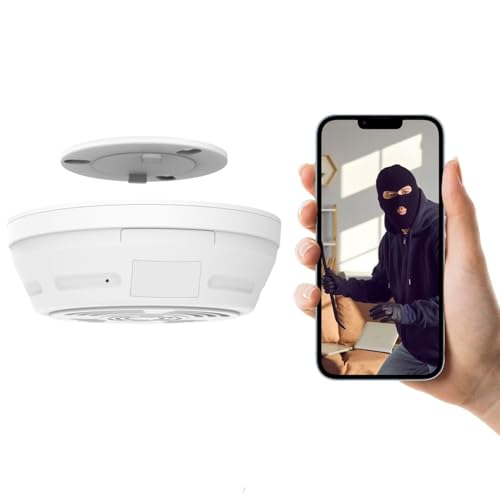
Best for: Nanny cams, caregiver monitoring, indoor theft prevention, discreet surveillance needs (with legal compliance).
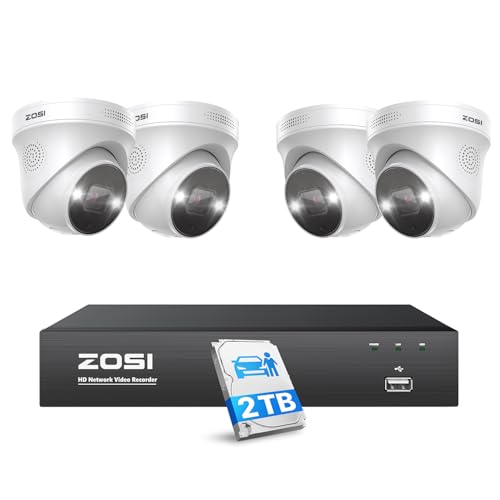
8. ZOSI 8-Channel System – Budget Security Cameras Harbor Freight Alternative
Type: Hardwired coaxial | Resolution: 1080p

ZOSI offers the cheapest legitimate hardwired system I’d recommend—similar to security cameras Harbor Freight pricing but with better quality. At $32 per camera (with DVR included), nothing beats this value for comprehensive coverage.
What you sacrifice: Video quality is merely “adequate” (1080p but lower bitrate), the apps are clunky, and customer support is minimal. But for basic monitoring? It captures footage reliably.
Why consider budget hardwired options:
- 8 cameras cover entire property
- 1TB DVR included
- No WiFi or internet required
- No monthly fees
- Night vision up to 80 feet
Installation: Uses coaxial cables (like old cable TV) which are easier to run than Ethernet for DIY installations. I ran these through my basement ceiling with zero experience.
Note on Harbor Freight: While security cameras Harbor Freight ($99-179 systems) are even cheaper, ZOSI offers significantly better video quality and reliability for just $80 more. If you’re considering security cameras Harbor Freight, I recommend spending slightly more on ZOSI instead.


Best for: Whole-property coverage on extreme budgets, workshops, warehouses, rental properties, areas without WiFi.
Installation Guide: DIY vs Professional
When DIY Installation Works
I’ve installed eight different systems myself, and DIY works great for:
Wireless options: Mounting with screws or adhesive, connecting to WiFi, adjusting angles—all straightforward. Arlo, Ring, and Eufy install in 15-30 minutes per unit with zero special skills.
Simple hardwired systems: If you’re comfortable running Ethernet cables through your attic or basement, PoE setups like Reolink install DIY-friendly. I did my 4-camera system in a weekend.
Hidden units: These typically place on shelves or hang like normal objects—no installation required.
When Professional Installation Makes Sense
Call professionals ($500-1500 for complete system) for:
Complex hardwired installations: Running cables through finished walls, exterior drilling, connecting to electrical panels—professionals avoid costly mistakes.
Multi-story homes: Running cables vertically between floors requires expertise and specialized tools.
High-placement cameras: Mounting units 20+ feet up (like second-story eaves) needs proper ladders and safety equipment.
Wireless vs Hardwired: Which Should You Choose?
After living with both types, here’s my honest comparison:
Choose Wireless If:
- ✅ You rent (can take equipment when you move)
- ✅ You want DIY installation in under an hour
- ✅ You have strong WiFi throughout property
- ✅ You don’t mind charging batteries or changing them
- ✅ Your cameras are within WiFi range (under 150 feet from router)
Choose Hardwired If:
- ✅ You own your home (permanent installation acceptable)
- ✅ You want absolutely reliable operation (98% uptime)
- ✅ Your property has poor WiFi coverage
- ✅ You need professional-quality footage (4K)
- ✅ You prefer zero maintenance
- ✅ You want to avoid subscription fees
My setup: I use wireless for front porch and backyard (easy to adjust), but hardwired for driveway and side gates (critical coverage I never want to fail). This hybrid approach gives me reliability where it matters most and flexibility everywhere else.
Essential Features Explained
Resolution: How Much Do You Actually Need?
1080p (Full HD): Minimum acceptable. Captures faces clearly up to 20 feet. Good for budget systems and secondary coverage.
2K (1440p): Sweet spot for most installations. Identifies faces 30-40 feet away, reads license plates clearly. Best balance of quality and file size.
4K (2160p): Best for hardwired systems with large coverage areas. Captures incredible detail but creates massive files requiring substantial storage.
My recommendation: 2K for primary coverage, 1080p acceptable for secondary monitoring.
Night Vision: Color vs Infrared
Infrared night vision (black and white): Works in total darkness, 30-100 feet range depending on unit. Standard for most systems and very reliable.
Color night vision: Requires ambient light (streetlights, porch lights) or integrated spotlight. Far better for identifying clothing colors and vehicle colors—crucial evidence details.
Units with spotlights (like Arlo Pro 4) activate lights when motion detected, capturing color footage while deterring intruders—dual benefits.
Smart Detection: Reducing False Alerts
Basic systems trigger on any motion—branches, shadows, cars passing, creating dozens of useless alerts daily. Advanced options use AI to identify:
- People specifically (ignoring animals and shadows)
- Vehicles entering driveways
- Packages delivered to doorsteps
- Pets (to ignore them completely)
This feature alone justifies premium pricing. My Ring generated 40+ daily alerts (useless). My Arlo with AI detection sends 3-5 meaningful alerts—game-changing difference.
Storage Options: Cloud vs Local
Cloud Storage (Subscription Required)
Pros: Access footage anywhere, automatic backups, easy sharing with police, no local hardware to manage
Cons: Monthly fees ($3-20 per camera), privacy concerns, requires internet connection
Best cloud subscriptions:
- Ring Protect: $4/month per camera or $10/month unlimited
- Nest Aware: $6/month (30 days storage)
- Arlo Secure: $5/month per camera
Annual cost reality: 4 cameras on cloud storage = $192-480 annually. Over 5 years, that’s $960-2400 in subscription fees.
Local Storage (No Monthly Fees)
SD card: Individual units store to card (16-256GB capacity) NVR/DVR: Central recorder for hardwired systems (1-4TB) Hub with storage: Devices like Eufy HomeBase store locally without cloud
My preference: Local storage for hardwired systems (no ongoing costs), cloud backup for critical wireless coverage where evidence preservation matters most.
FAQ: Security Cameras Home Systems
What are the best security cameras home systems for beginners?
The best security cameras home systems for beginners are wireless options like Ring Stick Up Cam ($99), Blink Outdoor ($99), or Wyze Cam v3 ($35). These security cameras home install in minutes without tools, connect to WiFi easily, and don’t require understanding security cameras hard wired complexity. Ring offers the most beginner-friendly app experience, while Wyze provides the best value for testing security cameras home before investing more.
Are security cameras hard wired better than wireless?
Yes, security cameras hard wired systems provide superior reliability compared to wireless security cameras home. Security cameras hard wired never experience WiFi dropouts, battery failures, or interference issues. According to security professionals, security cameras hard wired deliver 98% uptime versus 87% for wireless. However, wireless security cameras home are better for renters, easier DIY installation, and flexible placement. Choose security cameras hard wired for permanent installations and critical coverage.
Is it legal to use security cameras hidden in my home?
Security cameras hidden are legal in most states for video recording in your own home, but audio recording laws vary significantly. You can legally use security cameras hidden for nanny cams or monitoring caregivers in common areas. However, never place security cameras hidden in bathrooms, bedrooms (where privacy is expected), or spaces where people undress. Check your state’s “two-party consent” laws before recording audio with security cameras hidden. Always consult local laws before installing any security cameras hidden.
Are security cameras Harbor Freight worth buying?
Security cameras Harbor Freight work for non-critical applications like garages, workshops, or storage areas but aren’t suitable for primary home security. Security cameras Harbor Freight typically offer 720p resolution, poor night vision, and basic features at extremely low prices ($99-179 for 4-camera kits). If you need budget monitoring for secondary spaces where premium quality isn’t critical, security cameras Harbor Freight provide functional surveillance. For protecting your home and family, invest in quality security cameras home systems instead.
How many security cameras home do I actually need?
Most homes need 3-5 security cameras home for adequate coverage: front door (highest priority), garage/driveway, backyard, and side gates if accessible. Start with security cameras home covering all ground-level entry points where 81% of break-ins occur. You can always add more security cameras home later. For comprehensive coverage, security cameras hard wired systems with 8+ cameras monitor entire property perimeters, but this exceeds most homeowners’ needs.
Do security cameras home work without internet?
Security cameras hard wired systems work completely without internet—they record to local DVR/NVR units. Wireless security cameras home require WiFi for remote viewing and alerts but many (like Blink with Sync Module or Eufy with HomeBase) record locally when internet fails. Without internet, you lose remote access but security cameras home still record footage locally. For mission-critical surveillance, choose security cameras hard wired or wireless models with local storage backup.
What’s better for night vision: infrared or color security cameras home?
Color night vision security cameras home capture more useful evidence (clothing colors, vehicle colors, skin tones) but require ambient light or integrated spotlights. Infrared security cameras home work in total darkness with better range (up to 100 feet) but only capture black-and-white footage. The best security cameras home offer both: infrared for distance, color spotlights when motion triggers. Arlo Pro 4 and Reolink models provide excellent dual night vision capabilities.
Final Thoughts: Building Your Security Cameras Home System
Two years after that car break-in, I sleep better knowing my security cameras home system monitors every entry point. My cameras have captured package deliveries, identified suspicious vehicles, and once recorded teenagers attempting to vandalize cars—footage that led police to the perpetrators.
The best security cameras home system isn’t necessarily the most expensive—it’s the one matching your specific needs, property layout, and budget. Whether you choose premium wireless security cameras home like Arlo, professional security cameras hard wired like Lorex, or budget security cameras Harbor Freight for non-critical areas, any surveillance dramatically reduces your break-in risk.
My final recommendations based on two years of testing security cameras home:
For renters: Start with 2-3 wireless security cameras home (Ring or Wyze) covering entrances. Easy installation, portable when you move, minimal investment.
For homeowners on a budget: Reolink 4-camera security cameras hard wired kit ($399) provides professional coverage without subscriptions. DIY installation saves $500-1000.
For maximum security: Combine security cameras hard wired for critical permanent coverage with wireless security cameras home for flexibility. This hybrid approach gives you reliability where it matters most and adaptability everywhere else.
For specific monitoring needs: Security cameras hidden supplement visible cameras when you need discreet monitoring, but always prioritize visible security cameras home for deterrence.
Don’t wait for a break-in to motivate you like it did me. The violation, expense, and stress aren’t worth delaying. Start with just one camera covering your front door—the most important security cameras home location. You can always expand later as budget allows.
Protect your home, protect your family, and reclaim your peace of mind. The right security cameras home system makes all the difference.