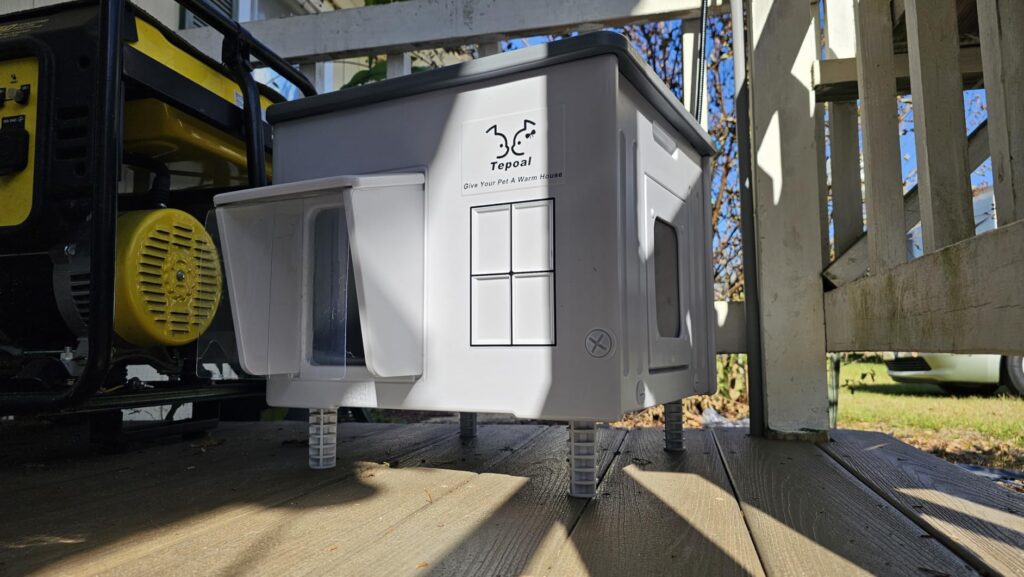
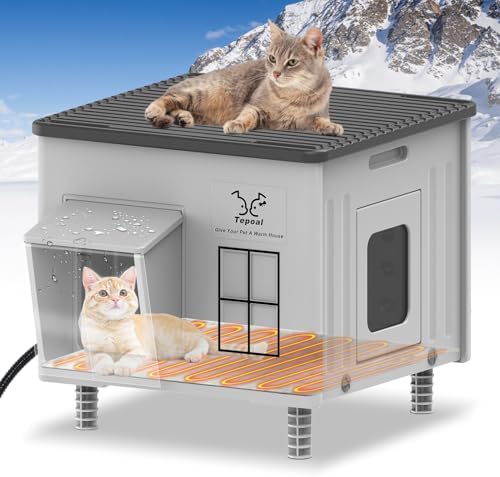
"Amazing cat house! Our barn cats love it and it's survived two harsh winters without any damage. The heating feature keeps them cozy and the escape door gives me peace of mind." - Patricia M.
Rated 3 out of 5
"Indestructible is right! Heavy snow, ice storms, and even tree branches haven't fazed this shelter. Easy assembly and the cats took to it immediately. Worth every penny." - James K.
Rated 3 out of 5
"Great quality construction and completely waterproof as advertised. The insulation works well but I wish it was slightly larger for multiple cats. The escape door is a brilliant safety feature." - Michelle T.
Rated 3 out of 5
"Solid shelter that's held up through multiple seasons. The stackable design saved space in our cat colony setup. Heating pad fits perfectly. Only complaint is the gray color shows dirt easily." - Robert L.
Rated 3 out of 5
"Perfect for our feral cat program! Weatherproof, safe, and the cats feel secure inside. The double-layer construction really makes a difference in durability and insulation." - Sarah H.
Rated 3 out of 5
"Good cat house overall. Sturdy construction and keeps cats dry. Setup was straightforward. The heating element works well but the unit is smaller than I expected for the price point." - David R.
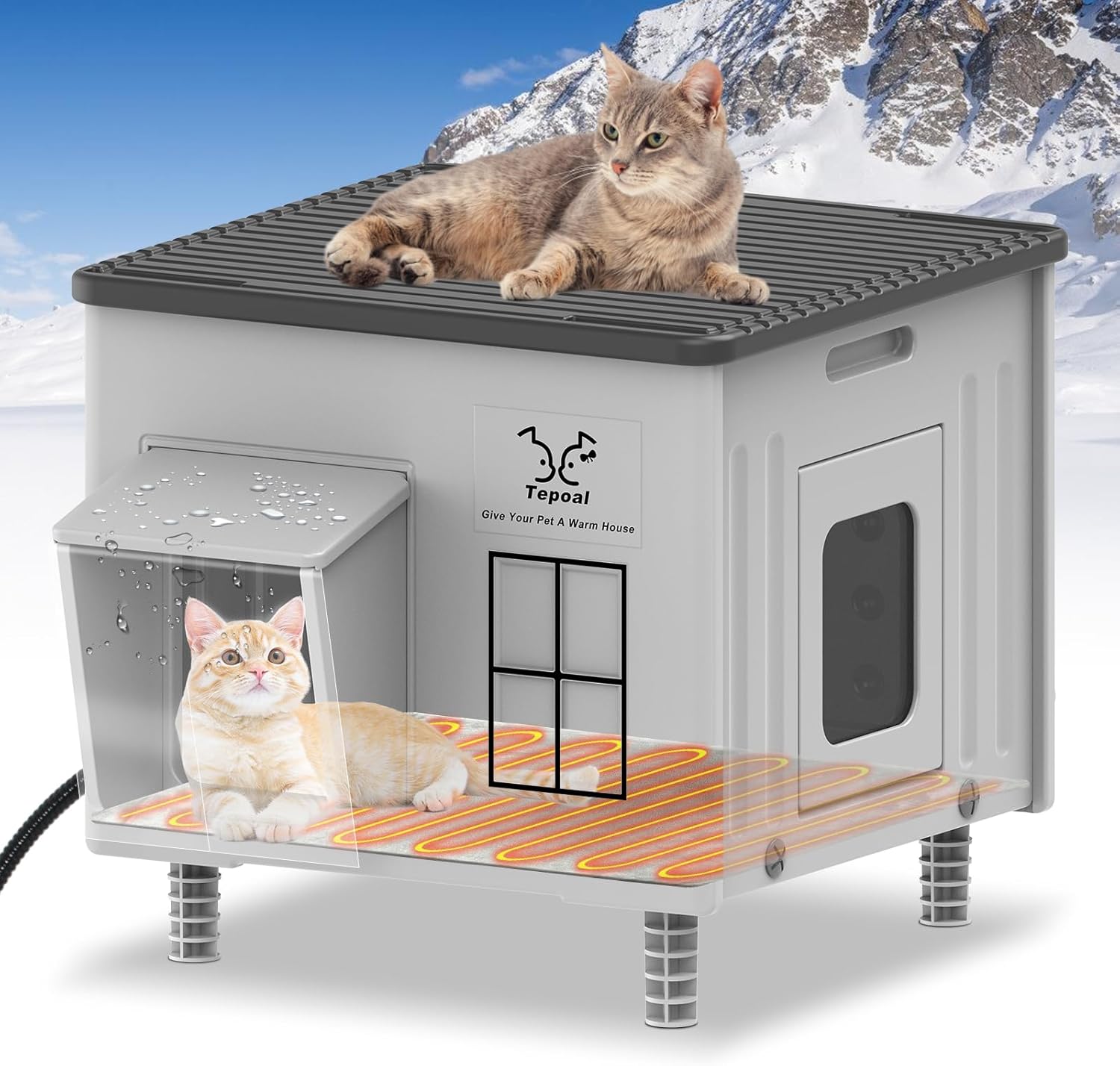
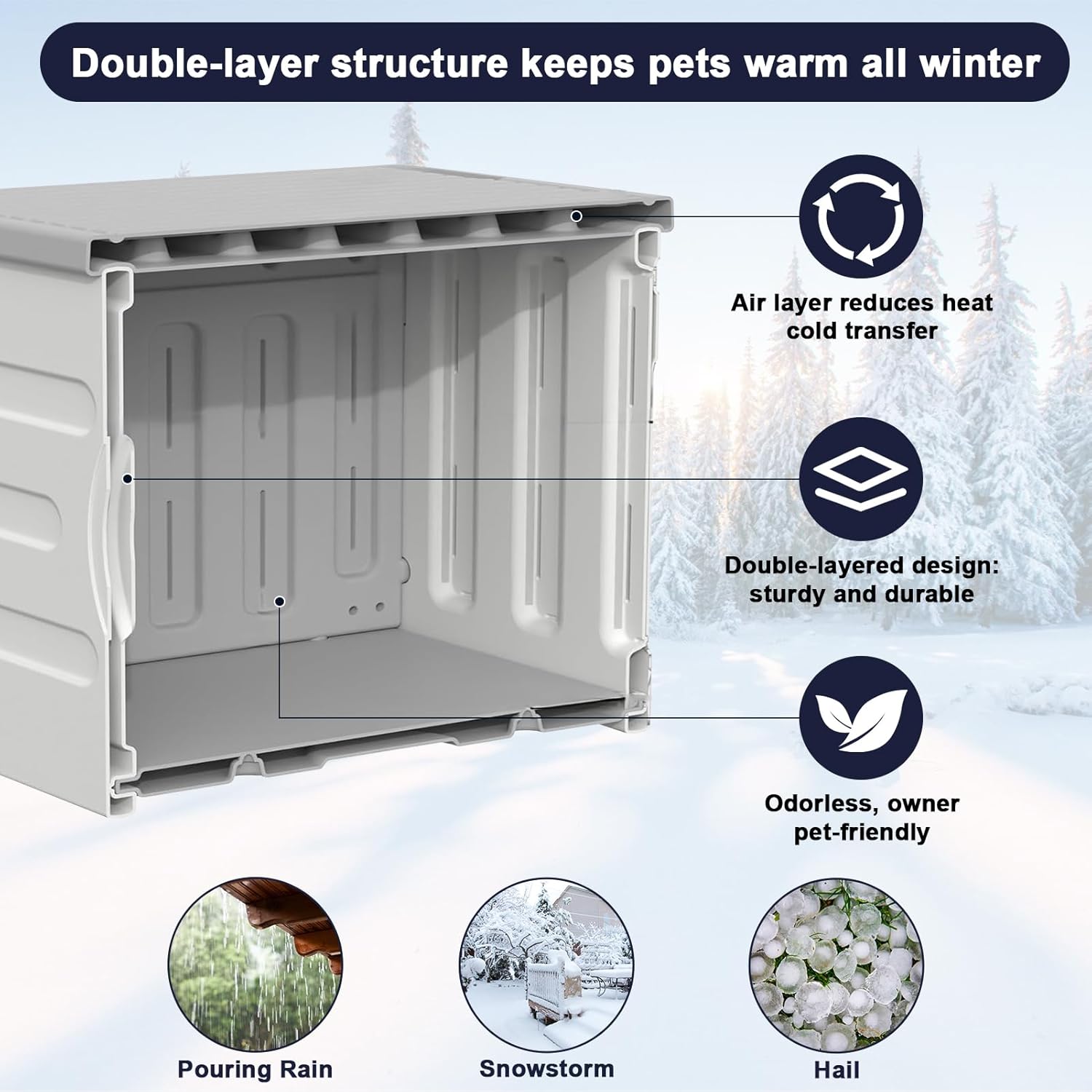
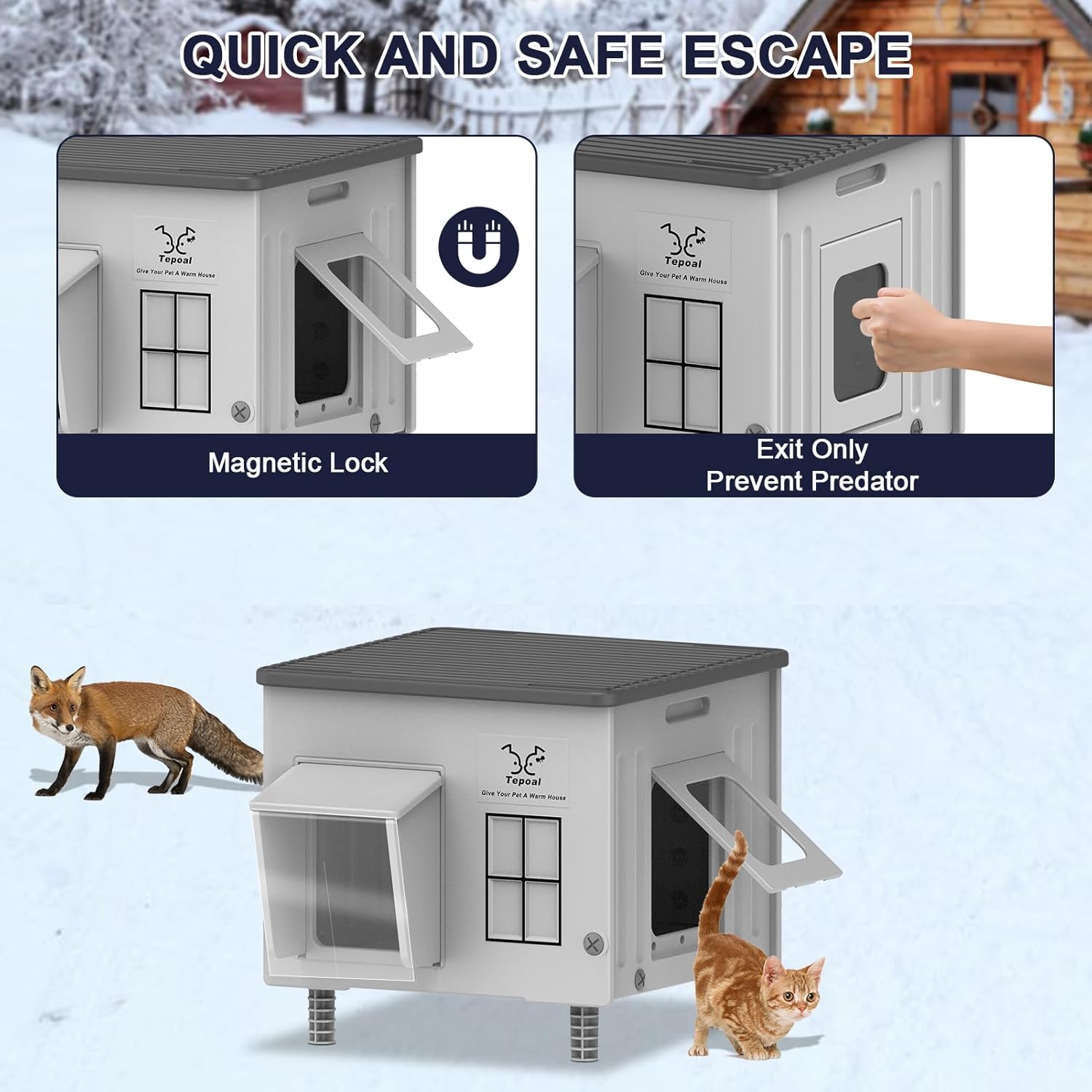
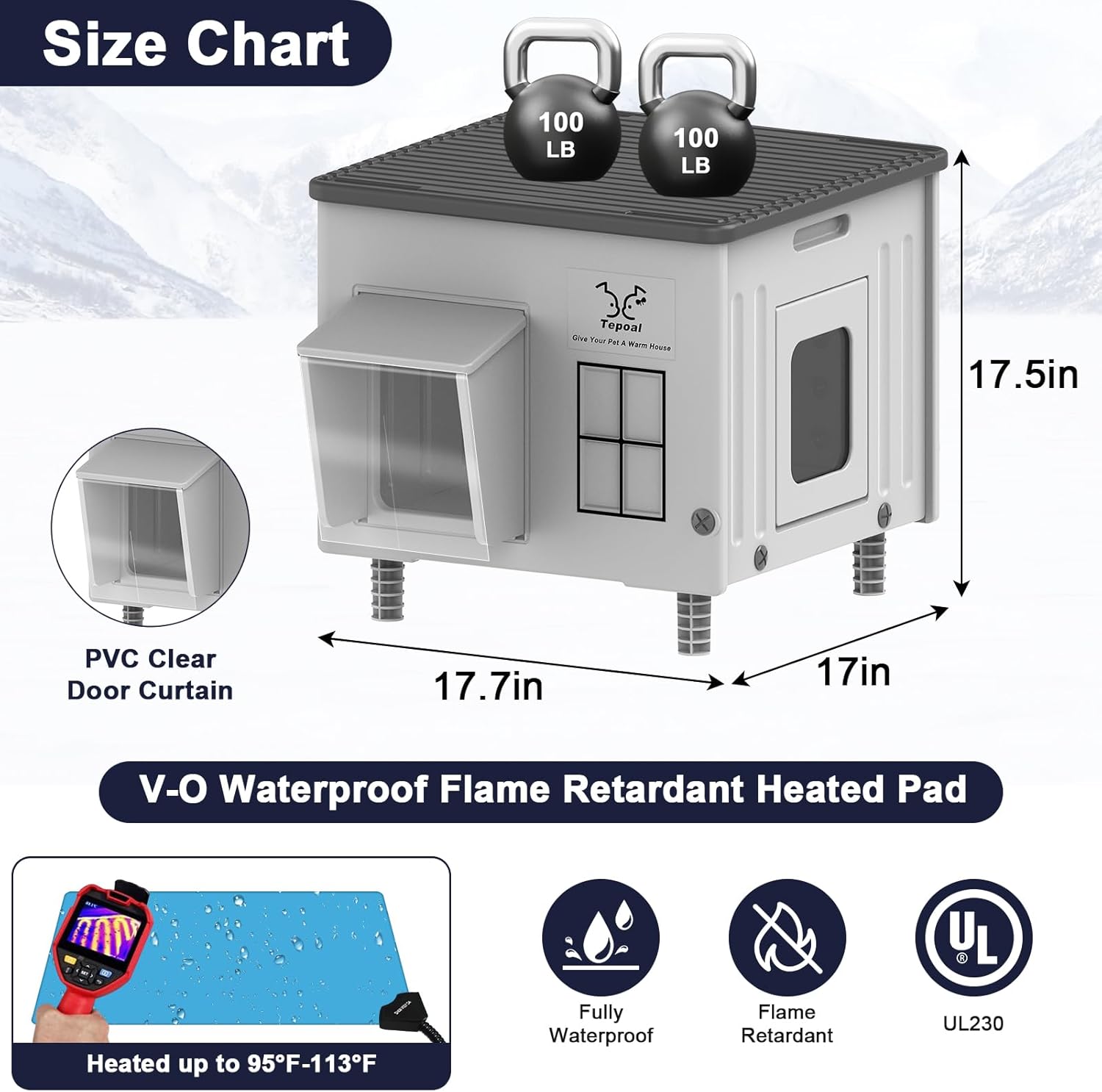
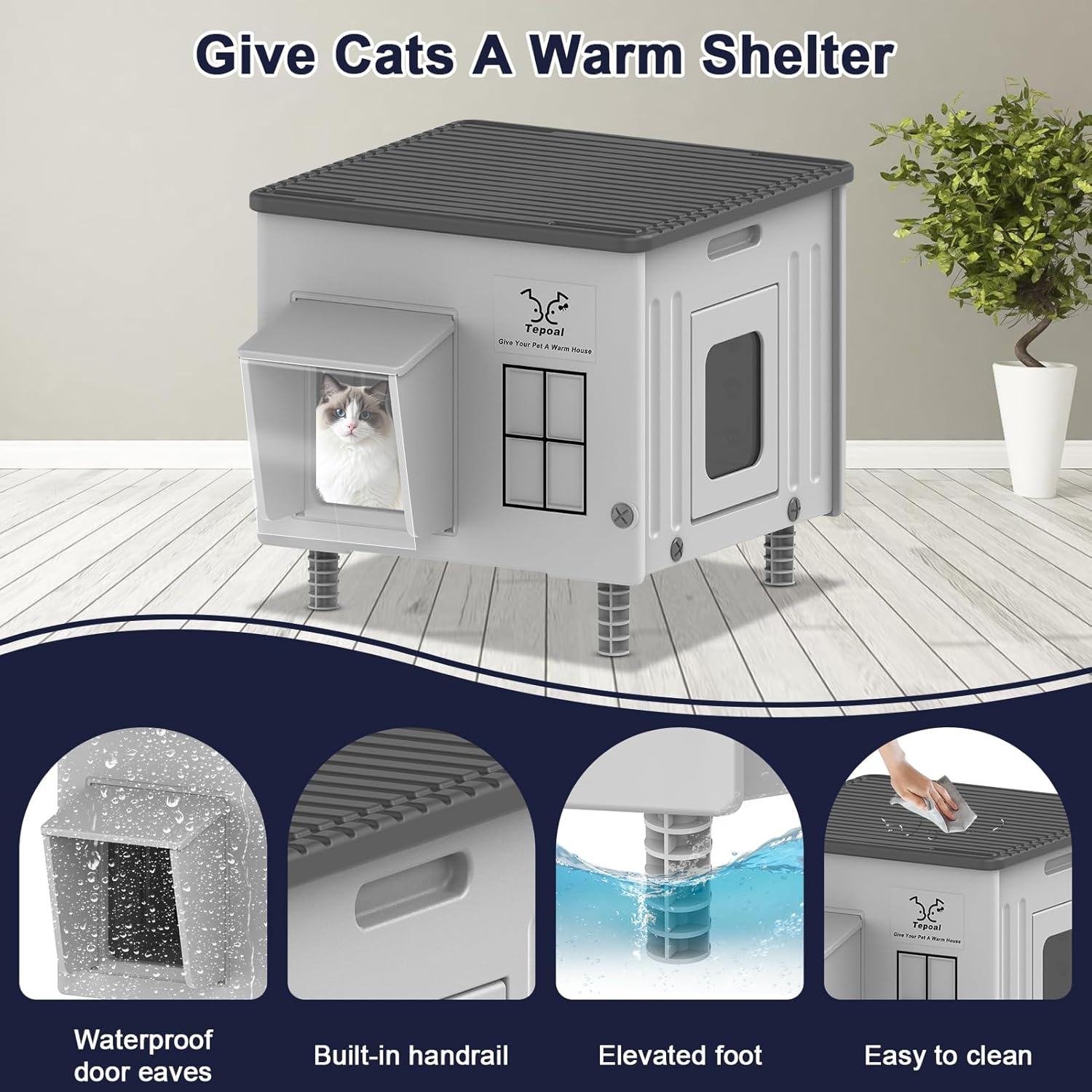
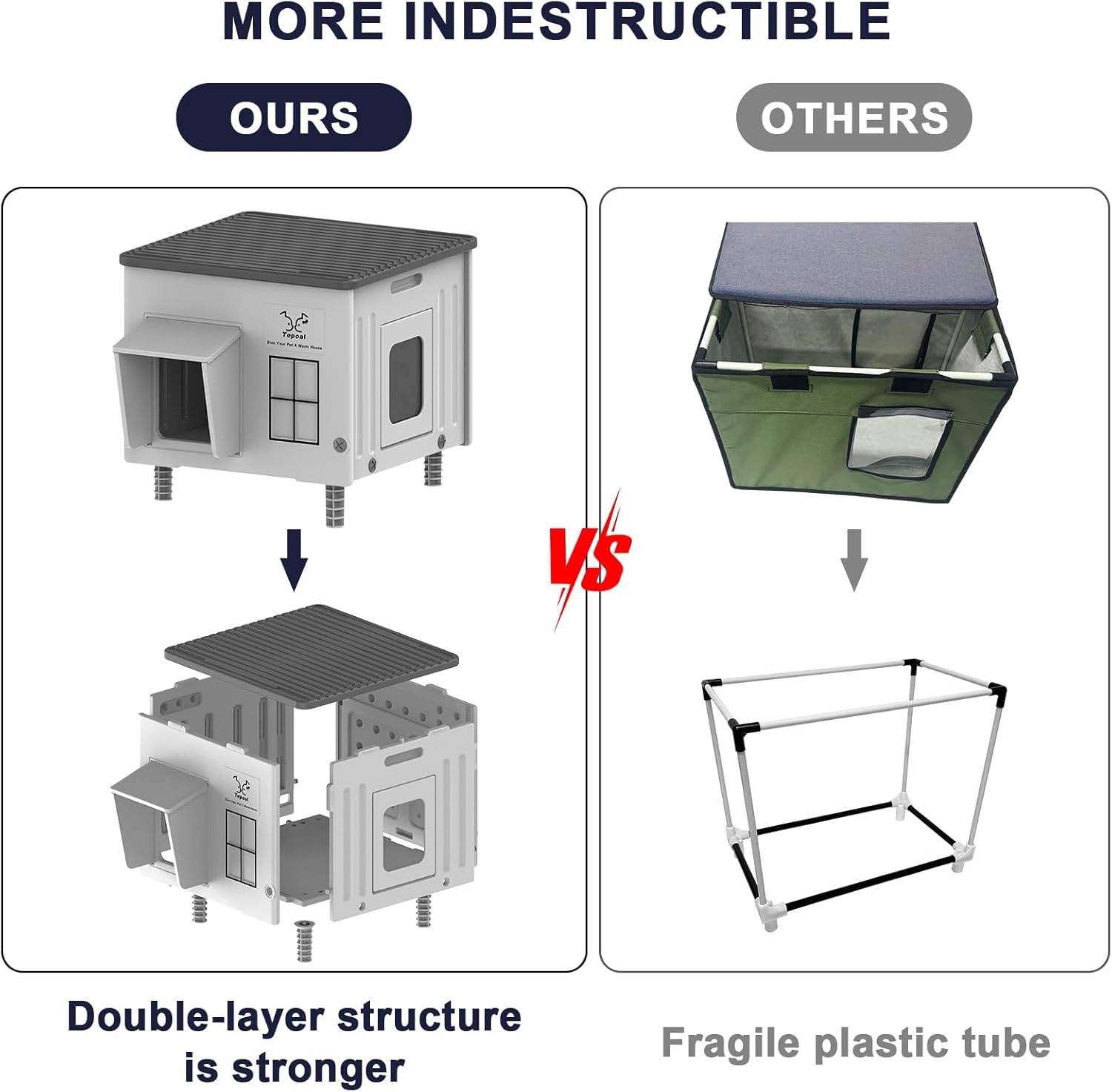
The Tepoal Indestructible Outdoor Cat House is a premium weatherproof shelter designed to protect outdoor cats from extreme weather conditions year-round. Built with double-layer PE and PP plastic construction, this heated cat house can withstand up to 200 pounds of force while providing complete waterproof protection and insulation. The 16"×16"×17.5" dimensions offer comfortable space for cats while the safety escape door ensures your feline friends always have a secure exit route.
Specs
Dimensions: 16" L × 16" W × 17.5" H
Weight Capacity: Supports up to 200 pounds of force
Material : Double-layer reinforced PE and PP plastic
Suitable For: Cats, small dogs, feral cats, barn cats
Maintenance: Easy-clean surfaces with hose-friendly materials
Weather Rating: Extreme weather conditions tested
Pros
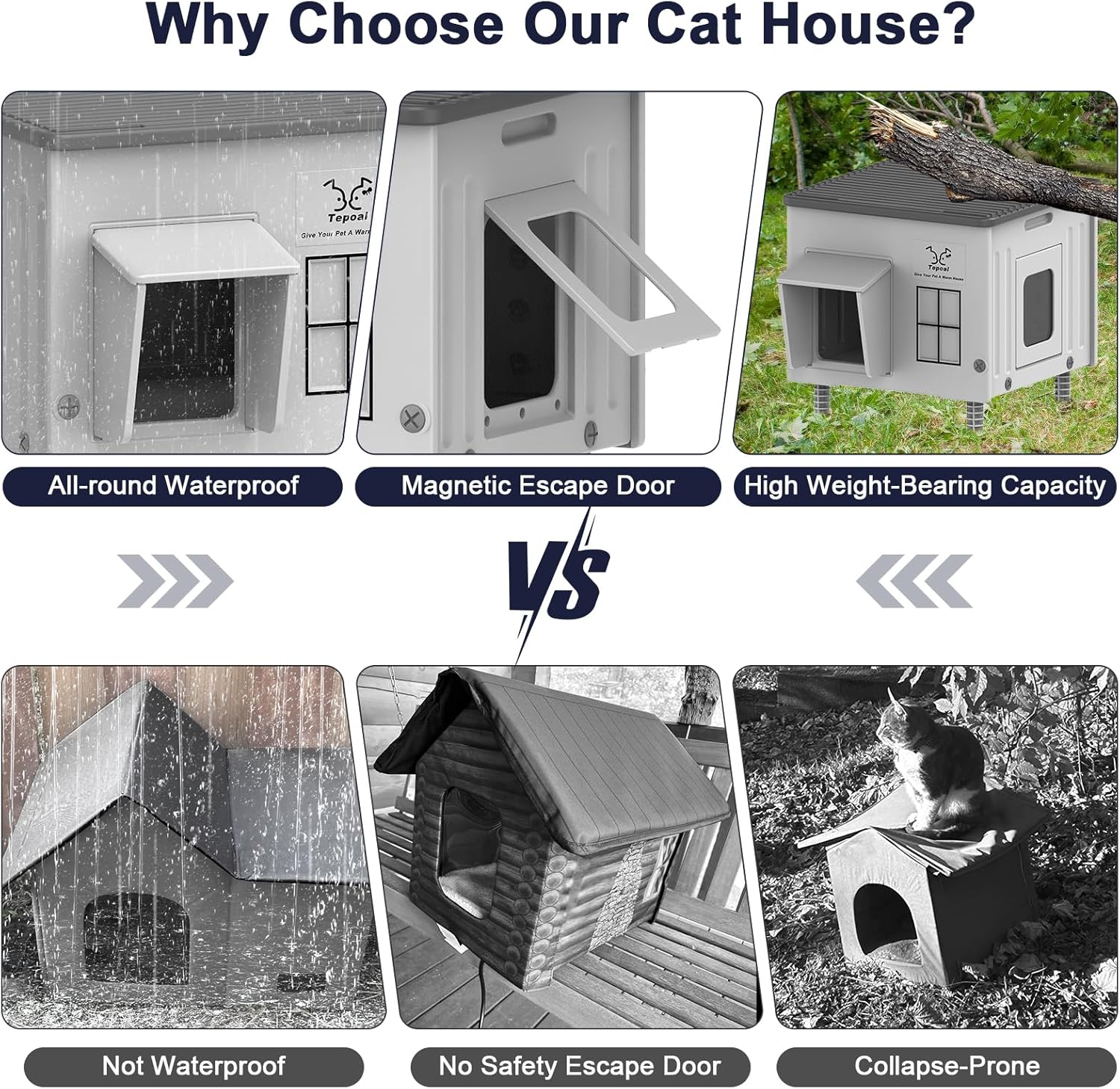
200 lb force resistance withstands extreme weather and impacts
Double-layer construction provides superior insulation and durability
Safety escape door prevents cats from being trapped inside
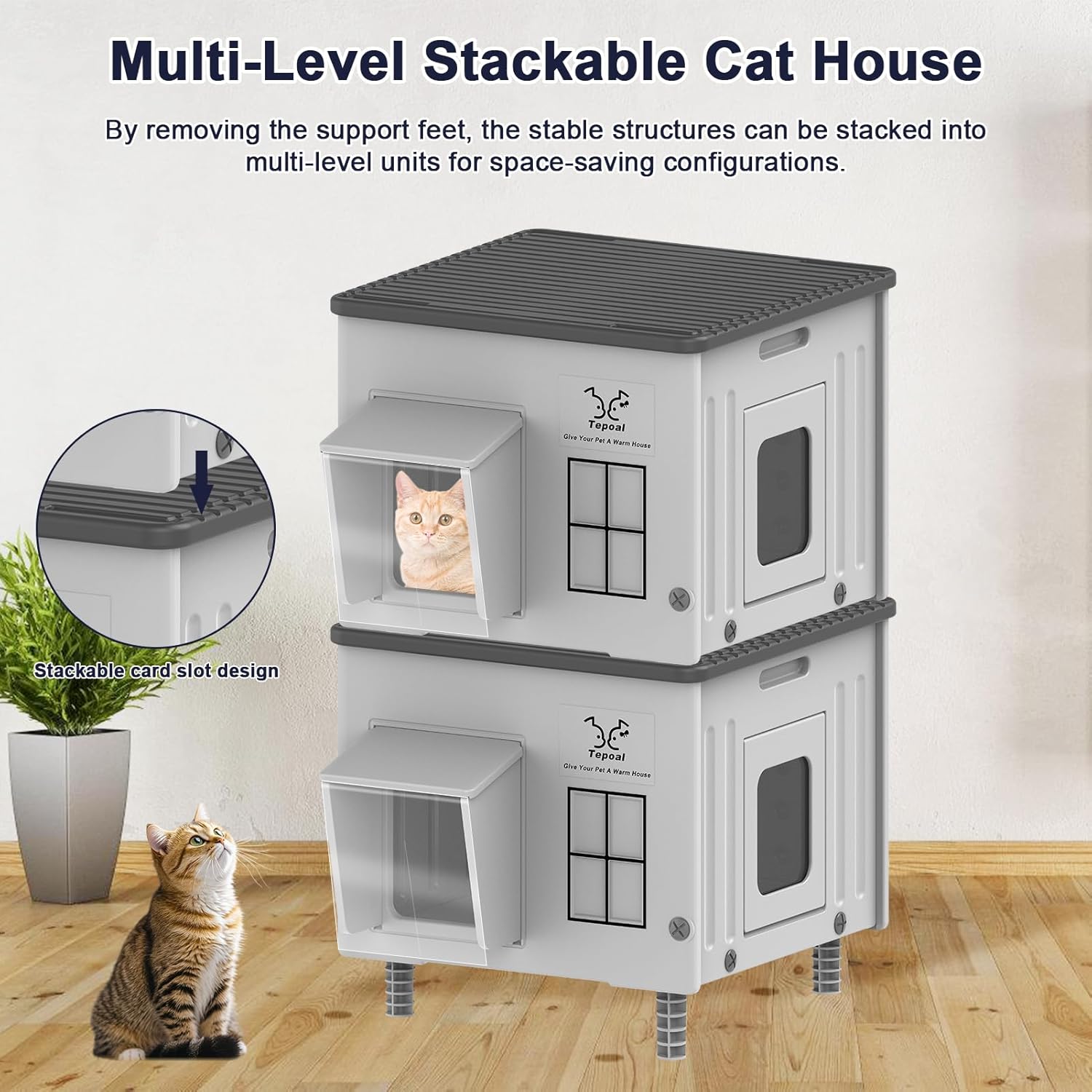
Stackable design saves space for multiple cat installations
Non-toxic materials safe for cats and environmentally friendly
Cons
Compact size may be too small for larger cats or multiple occupants
Higher price point compared to basic cat shelters
When my German Shepherd, Duke, destroyed his third traditional wooden dog house in two years—chewing through corners, scratching walls, and eventually collapsing the entire structure—I knew I needed something radically different. After researching heavy-duty options and hearing horror stories about flimsy “outdoor” kennels, I invested in this insulated outdoor dog house with reinforced iron frame and 6-sided insulation. Four months through brutal winter weather, Duke’s shelter stands strong, warm, and completely intact.
If you’re searching for a waterproof dog house that can withstand aggressive chewers, extreme weather, and years of outdoor use while keeping your dog genuinely comfortable, this indestructible dog house with metal frame reinforcement deserves serious attention. After a full winter season protecting Duke from snow, rain, and freezing temperatures, here’s my honest assessment of whether this chew proof dog house lives up to its game-changing durability promises.
Table of Contents
What Makes This Insulated Outdoor Dog House Indestructible?
Unlike traditional wooden dog houses relying on corner joints and exposed edges, this weatherproof dog kennel integrates a full iron frame skeleton with solid wood panels sandwiched between metal supports. According to pet shelter durability research, metal-reinforced structures withstand 5-10 times more abuse than conventional construction.
The insulated outdoor dog house addresses fundamental outdoor shelter challenges: preventing chew damage, maintaining internal warmth during winter, resisting weather deterioration, and providing long-term structural integrity that justifies the investment.
The Iron Frame Advantage: Engineering for Durability
The revolutionary design uses an all-around iron frame as the primary structure:
Frame Construction:
Heavy-gauge steel corner posts and crossbars
L-shaped steel connectors at critical stress points
Wood panels attached to metal frame (not load-bearing)
Chew-resistant metal edging protecting vulnerable corners
Weight capacity: Supports 180+ pounds (an adult can stand inside)
This engineering approach means your dog chews wood backed by metal—not structural components. When Duke inevitably tests edges, he encounters steel reinforcement preventing damage.
My 4-Month Winter Experience with This Insulated Outdoor Dog House
Assembly: Straightforward Despite Heavy-Duty Construction
When the indestructible dog house arrived, I expected complicated assembly given its reinforced construction. The reality proved manageable—I completed setup in approximately 45-60 minutes working alone. The package included:
Pre-cut wood panels
Complete iron frame system with pre-drilled holes
All-around insulated liner (6-sided)
Waterproof asphalt roof panels
PVC door curtain
Hardware kit and assembly instructions
The pre-drilled holes aligned perfectly, and the instruction manual provided clear step-by-step guidance. My only challenge: the completed structure weighs approximately 80-90 pounds, making solo positioning difficult. I’d recommend having help for final placement.
First Night: Duke’s Reaction and Comfort Test
I’ll be honest—Duke initially viewed his new insulated outdoor dog house with suspicion. He circled it, sniffed extensively, and took 20 minutes before venturing inside. By hour two, he’d claimed it completely. That first night dropped to 28°F, and I monitored him with a pet camera.
The insulated liner worked remarkably well. Duke’s body heat trapped by the 6-sided insulation created a microclimate approximately 15-20°F warmer than outside ambient temperature. He slept comfortably without shivering—a stark contrast to his previous inadequate shelter.
Four Months Later: Durability Under Real Conditions
After enduring one full winter including:
Multiple snowstorms (12+ inches accumulation)
Freezing rain and ice storms
Temperature fluctuations from 15°F to 50°F
Duke’s daily chewing attempts on doorframe edges
The weatherproof dog house shows zero structural degradation:
What’s Held Up Perfectly:
Iron frame remains rust-free (powder-coated protection)
Wood panels show minor surface scratching but zero structural damage
Waterproof asphalt roof hasn’t leaked despite heavy snow loads
Insulated liner maintains loft and warmth
Elevated floor keeps interior dry during rain/snow melt
What Required Minor Maintenance:
PVC door curtain developed small tears (Duke’s claws) but remains functional
Cleaned interior twice (removable floor panel makes this easy)
Tightened two screws after particularly harsh windstorm
The chew proof dog house claim is valid—Duke damaged his previous wooden houses within weeks. This metal-reinforced design has withstood four months of determined testing.
The 6-Sided All-Around Insulation: Winter Protection That Works
Traditional dog houses insulate walls only, leaving floor and roof as thermal weak points. This insulated outdoor dog house provides comprehensive 6-sided protection:
Insulation Coverage:
Floor insulation: Prevents ground cold from penetrating
All four walls: 3-layer construction (wood + insulation + liner)
The multi-layer approach creates remarkable thermal efficiency. During a 20°F night, I placed a thermometer inside Duke’s shelter: interior temperature read 38°F—an 18-degree improvement from body heat alone. Adding a heating pad (sold separately) would create even more warmth for extreme cold climates.
According to veterinary cold weather guidelines, dogs maintaining internal shelter temperatures above 35°F handle cold-weather exposure safely. This weatherproof dog kennel achieves that threshold through passive insulation.
Waterproof Design: Keeping Interiors Dry
The multi-component waterproof system prevents moisture intrusion:
Waterproof Features:
Asphalt roof panels: Industry-standard waterproofing material
Sloped roof design: Promotes water runoff (no pooling)
Elevated floor: Raises entire structure 2-3 inches off ground
PVC door curtain: Blocks wind-driven rain/snow
Sealed corner joints: Prevents water seepage
After multiple rainstorms and snow melts, Duke’s interior remained completely dry. The elevated floor proved especially valuable during heavy rain—preventing ground moisture from wicking into bedding.
Who Should Buy This Insulated Outdoor Dog House?
Based on four months of real-world winter use, this chew proof dog house excels for:
Owners of Aggressive Chewers If your dog destroys traditional wooden structures, the iron frame reinforcement provides genuine protection. Duke—who demolished three previous houses—hasn’t inflicted meaningful damage.
Large Breed Dog Owners Designed for medium to extra-large breeds (up to 150 pounds), the spacious interior accommodates German Shepherds, Golden Retrievers, Huskies, Labradors, and similar-sized dogs comfortably.
Cold Climate Residents The 6-sided insulation makes this ideal for owners in regions experiencing freezing winters. Combined with your dog’s natural body heat, the shelter maintains livable temperatures.
Anyone Tired of Replacing Cheap Shelters If you’ve purchased 2-3 budget dog houses that deteriorated within months, this heavy-duty construction justifies the higher upfront cost through years of service.
Outdoor Working Dogs Farm dogs, livestock guardians, or dogs spending significant outdoor time need genuine protection. This weatherproof dog house provides that security.
Significant Weight and Permanence At 80-90 pounds assembled, this isn’t portable. Once positioned, moving requires two adults. Consider placement carefully before assembly.
Premium Pricing At $200-350 (depending on size), this costs 2-3x more than basic wooden houses. However, durability and insulation justify the investment over repeatedly replacing cheap alternatives.
Assembly Time and Effort While straightforward, assembly takes 45-90 minutes and requires basic tools. Not as simple as unboxing ready-made plastic kennels.
Insulation Isn’t Heating The liner provides passive insulation, not active heating. For extreme cold (below 10°F), consider adding a pet-safe heating pad for additional warmth.
Door Curtain Vulnerable to Claws The PVC curtain, while functional, shows wear from Duke’s claws. Replacement curtains are available, or you can DIY alternatives.
Maintenance and Long-Term Care
After four months, here’s my maintenance routine for the insulated outdoor dog house:
Weekly:
Sweep/vacuum interior (remove dirt, fur, debris)
Check PVC door curtain condition
Inspect for any loose screws or hardware
Monthly:
Remove and clean floor panel thoroughly
Wipe down walls and roof interior
Check insulated liner for moisture (air out if needed)
Seasonally:
Deep clean entire interior
Inspect metal frame for rust (touch up with rust-inhibiting paint if needed)
Tighten all hardware connections
Replace PVC door curtain if significantly damaged
The openable roof design makes interior access incredibly easy—a feature I didn’t fully appreciate until regular cleaning. I can reach every corner without crawling inside.
How This Compares to Traditional and Alternative Shelters
Insulated Outdoor Dog House vs. Basic Wooden Houses
Feature
Insulated Metal-Frame House
Traditional Wooden House
Durability
5-10+ years
1-3 years typical
Chew Resistance
Excellent (metal edges)
Poor (exposed wood)
Insulation
6-sided all-around
Walls only (maybe)
Weather Resistance
Excellent waterproofing
Moderate (degrades)
Weight/Stability
80-90 lbs (very stable)
30-50 lbs (can tip)
Price
$200-350
$80-150
Assembly Time
45-90 minutes
15-45 minutes
The indestructible dog house costs more upfront but likely saves money by eliminating frequent replacements.
vs. Plastic Igloo-Style Kennels
Plastic igloos ($100-200) offer affordability but limited insulation and durability. They’re not chew-proof and often crack in extreme cold. The insulated outdoor dog house provides superior winter protection and structural integrity.
vs. Heated Dog Houses
Heated options ($300-500) include electric heating elements. While warmer, they require weatherproof electrical outlets and increase ongoing costs. This passive insulation model works for most climates without electricity dependency.
The Verdict: Outstanding Investment for Serious Outdoor Protection
After four months protecting Duke through brutal winter conditions, this insulated outdoor dog house has proven its worth repeatedly. The combination of indestructible iron frame construction, comprehensive 6-sided insulation, and genuine waterproofing delivers what premium pricing promises—a shelter that actually lasts.
Buy this indestructible dog house if:
You have medium to large breed dogs (30-150 pounds)
Your dog aggressively chews or damages shelters
You experience cold winters requiring genuine insulation
You’re tired of replacing cheap houses every 1-2 years
You value long-term durability over initial cost savings
Consider alternatives if:
You have small dogs under 25 pounds (oversized for them)
You live in exclusively mild climates
Budget under $150 is firm (basic houses work temporarily)
You move frequently (weight makes portability challenging)
You prefer ready-made no-assembly options
The weatherproof dog kennel represents the kind of pet investment that pays dividends for years—protecting your dog while eliminating the frustration and recurring costs of inferior products. Duke loves his indestructible fortress, and I love not shopping for replacement houses every six months.
Frequently Asked Questions About Insulated Outdoor Dog Houses
Q: How cold can temperatures get before my dog needs a heated shelter instead of insulated? A: The insulated outdoor dog house with 6-sided protection keeps interiors 15-20°F warmer than outside temperatures through body heat alone. Most healthy large-breed dogs handle overnight lows to 20-25°F comfortably. Below 15°F consistently, consider adding a pet-safe heating pad for additional warmth.
Q: Will the iron frame rust over time with rain and snow exposure? A: Quality indestructible dog houses use powder-coated steel frames that resist rust. After four months of winter weather, Duke’s shelter shows zero rust. Inspect annually and touch up any coating damage with rust-inhibiting paint for long-term protection.
Q: Can I use this insulated outdoor dog house for multiple dogs? A: It depends on size. The large/extra-large models accommodate 2-3 small-to-medium dogs comfortably. However, if you have multiple large dogs (50+ pounds each), they’d be cramped sharing one shelter. Consider individual houses for best comfort.
Q: How do I clean the insulated liner in the dog house? A: Most liners are removable via Velcro or snap attachments. Take outside, shake off debris, spot-clean with pet-safe cleaner, and air dry completely before reinstalling. Some liners are machine-washable (check product specifications), but air drying is essential to maintain loft.
Q: Is assembly really manageable for one person with this heavy-duty construction? A: Yes, with caveats. The assembly process (connecting panels to frame) is straightforward for one person. However, the completed 80-90 pound structure is difficult to position alone. Have a second person help with final placement, especially on uneven ground.
Q: Will this waterproof dog house work in extremely hot climates? A: The insulation that retains heat in winter also provides cooling protection in summer. However, in climates regularly exceeding 90-95°F, ensure adequate shade placement and ventilation. The removable insulated liner can be taken out during extreme heat for better airflow.
Q: How long should an indestructible dog house with proper care last? A: With routine maintenance (annual inspections, touch-up painting, cleaning), expect 7-10+ years of service. The iron frame construction and quality materials resist typical wear that destroys wooden houses within 1-3 years.