


Disclosure: As an Amazon Associate, I earn from qualifying purchases. This means when you purchase through links on this page, I may earn a small commission at no extra cost to you.
Introduction
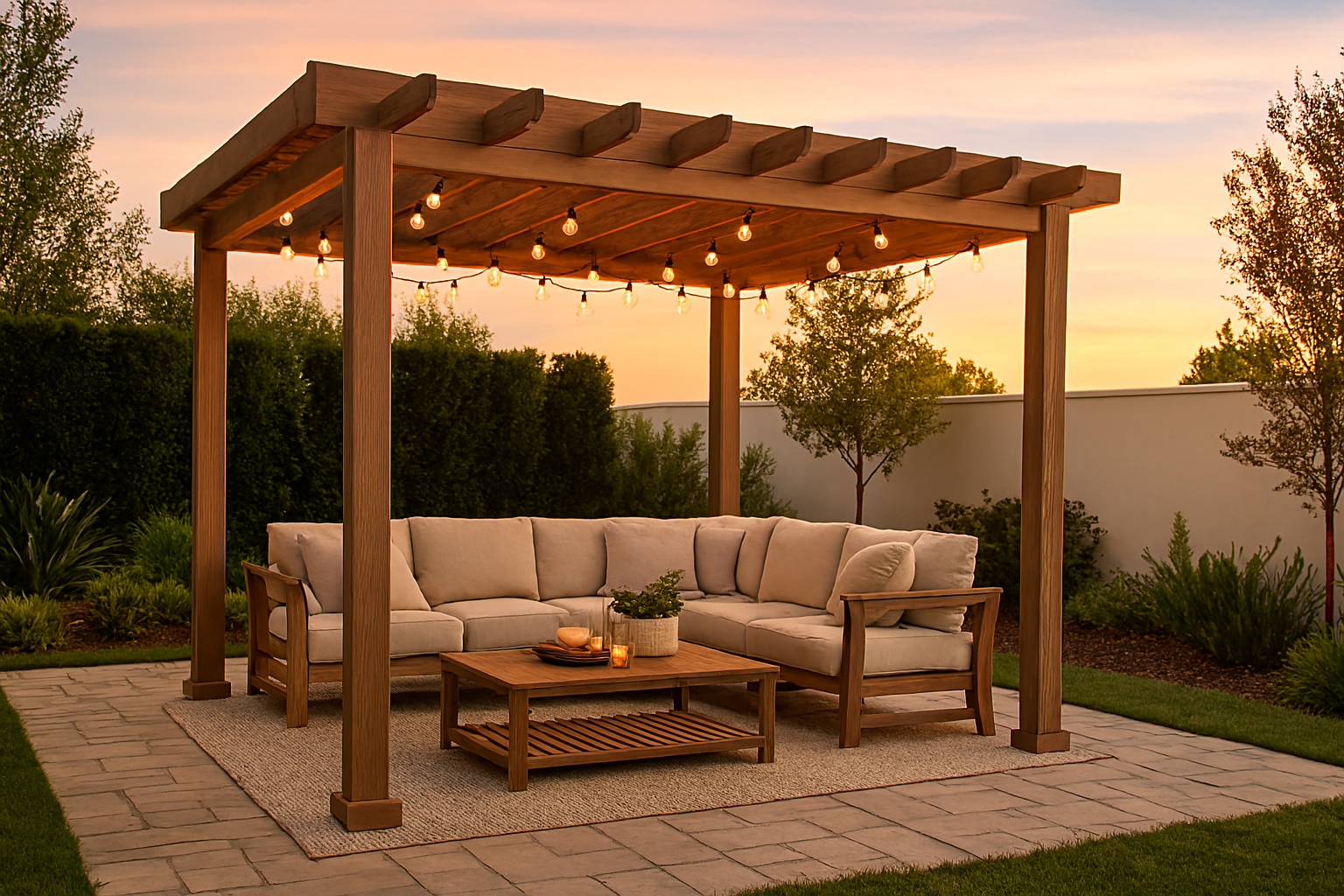
Three years ago, my backyard patio was a barren concrete slab that nobody used. The scorching afternoon sun made it unbearable from May through September, and without any defining structure, it felt like a forgotten extension of the yard rather than intentional living space. I knew I needed to create proper living spaces outdoor pergola areas, but I had no idea where to start.
After researching dozens of pergola designs, making costly mistakes with my first installation, and learning through trial and error, I finally created the outdoor living space I’d always envisioned. Now my patio pergola has become the most-used area of our home, hosting everything from morning coffee to evening dinner parties.
The right living spaces outdoor pergola transforms bare patios into functional, beautiful outdoor rooms. A well-designed pergola provides shade without completely blocking sunlight, defines your outdoor living area, increases property value, and creates an architectural focal point that ties your indoor and outdoor spaces together.
According to the National Association of Realtors, outdoor living spaces can increase home value by 12-20 percent, with pergolas ranking among the top outdoor improvement projects for return on investment. But here’s what real estate agents don’t tell you: not all pergola designs work for every patio, and choosing the wrong style or size can actually detract from your outdoor space.
I’ve spent three years living with my pergola through every season, testing different configurations, and helping neighbors design their own living spaces outdoor pergola projects. This guide shares everything I learned about choosing, installing, and maximizing pergolas for outdoor patios, from budget-friendly DIY options to premium custom structures.
See more reviews on my website.
Table of Contents
Understanding Living Spaces Outdoor Pergola Design
Before diving into specific pergola options, you need to understand what makes a pergola different from other outdoor structures and why it works so well for creating functional living spaces.
What Defines a Pergola
A pergola is an outdoor structure featuring vertical posts supporting cross-beams and an open lattice roof. Unlike covered patios or gazebos with solid roofs, pergolas allow filtered sunlight through while providing partial shade. This open-roof design creates the perfect balance between sun protection and maintaining an airy, open feeling.
When planning living spaces outdoor pergola designs, the open roof structure is what makes pergolas unique. You get definition and shade without the enclosed, cave-like feeling of fully covered structures.
Why Pergolas Work for Outdoor Living Spaces
Traditional covered patios block too much light, making spaces feel dark and disconnected from the yard. Completely uncovered patios offer no sun protection or definition. Pergolas solve both problems by creating architectural structure while maintaining openness.
My patio felt completely different the day my pergola was installed. Suddenly, the space had clear boundaries and purpose. The filtered shade made afternoon use comfortable, and the vertical structure created a room-like feeling without walls.
Pergola vs Other Outdoor Structures
When creating living spaces outdoor pergola areas, understanding alternatives helps clarify why pergolas excel:
Pergola vs Gazebo: Gazebos have solid roofs and often enclosed sides, creating fully sheltered spaces. They block more sun but feel more enclosed. Pergolas maintain openness while providing structure.
Pergola vs Pavilion: Pavilions feature solid roofs like gazebos but usually lack walls. They offer complete rain protection but block natural light. Pergolas allow light through while providing partial weather protection.
Pergola vs Arbor: Arbors are smaller structures typically used as garden entryways or walkway accents. Pergolas are larger structures designed to cover seating or dining areas for outdoor living spaces.
Pergola vs Covered Patio: Covered patios attach to homes with solid roofs extending from the roofline. They provide complete coverage but can make adjacent indoor rooms darker. Freestanding pergolas don’t affect home lighting.
For creating functional living spaces outdoor pergola designs offer the best balance of sun protection, architectural definition, and maintaining connection to the outdoors.
Key Pergola Design Elements
Understanding these components helps when selecting living spaces outdoor pergola options:
Posts or Columns: Vertical supports typically spaced 8-12 feet apart. Material options include wood, vinyl, aluminum, or steel. Post style significantly impacts overall aesthetic.
Beams: Horizontal members connecting posts at the top. Usually 2×6 to 2×10 lumber for wood pergolas. Beam spacing affects how much shade the structure provides.
Rafters: Cross pieces laid perpendicular to beams creating the lattice roof pattern. Closer rafter spacing creates more shade. Typical spacing ranges from 12-24 inches.
Optional Canopy: Many living spaces outdoor pergola designs incorporate retractable fabric canopies between rafters for adjustable shade and rain protection.
Decorative Elements: Curved or notched rafter ends, post caps, lattice side panels, and integrated lighting add personality to basic structures.
The 12 Best Living Spaces Outdoor Pergola Designs
1. Traditional Wood Pergola – Best Classic Design
Traditional wood pergolas remain the most popular choice for creating living spaces outdoor pergola areas. Natural wood complements virtually any architectural style while providing sturdy, long-lasting structure.
Why wood pergolas top living spaces outdoor pergola choices: Wood offers unmatched versatility in design, can be stained or painted any color, and creates warm, organic aesthetics that synthetic materials can’t replicate. My cedar pergola has weathered beautifully over three years, developing a gorgeous silver-gray patina.
Best wood types for outdoor pergolas:
Cedar: Naturally rot and insect-resistant, weathers to attractive gray if left untreated, or accepts stain beautifully. Most common choice for living spaces outdoor pergola projects. My 12×14 cedar pergola cost approximately $2,800 in materials for DIY installation.
Redwood: Premium appearance with natural resistance to decay. More expensive than cedar but extremely durable. Beautiful reddish tone ages gracefully. Excellent for high-end living spaces outdoor pergola designs.
Pressure-Treated Pine: Most affordable wood option. Requires regular sealing and staining but can last decades with proper maintenance. Good choice for budget-conscious living spaces outdoor pergola projects.
What makes traditional wood pergolas work:
- Natural aesthetic complements landscaping
- Can be customized to any size or configuration
- Accepts stains, paints, or natural weathering
- Strong enough to support hanging plants, lights, or swings
- Repairs relatively simple with replacement boards
- DIY-friendly for capable homeowners
Wood pergola considerations:
- Requires maintenance including staining or sealing every 2-3 years
- Susceptible to warping if not properly treated
- Can develop splinters over time
- More expensive than vinyl but less than custom metal
Our experience: I built a 12×14 cedar pergola over my existing concrete patio. The installation took two weekends with a helper. Three years later, it remains the centerpiece of our outdoor living space. I chose to let the cedar weather naturally rather than staining, and the silver-gray patina looks intentionally rustic.
Design elements for traditional wood living spaces outdoor pergola:
- Post sizes typically 6×6 inches providing substantial presence
- Beam sizes 2×8 or 2×10 for structural integrity
- Rafter spacing 16-18 inches creating approximately 50 percent shade
- Decorative rafter tail cuts adding visual interest
- Optional cross-bracing between posts for stability
Best suited for: Traditional homes, craftsman architecture, homeowners comfortable with wood maintenance, custom sizing needs, and those wanting warm natural aesthetics in their living spaces outdoor pergola design.



2. Vinyl Pergola – Best Low Maintenance
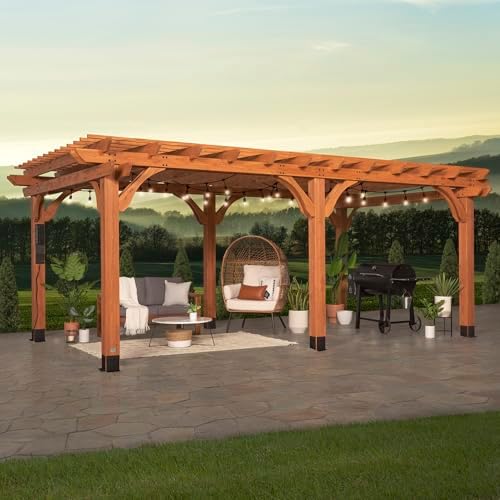
Vinyl pergolas offer the structure and design of traditional pergolas without the maintenance requirements, making them excellent choices for creating living spaces outdoor pergola areas that essentially maintain themselves.
Why vinyl works for living spaces outdoor pergola: Zero painting, zero staining, zero rotting, and zero insect damage. You install it once and forget about maintenance beyond occasional washing. For busy homeowners, this convenience is invaluable.
How vinyl pergolas differ from wood:
Vinyl pergolas use hollow PVC posts and beams engineered to look like wood. Quality vinyl pergolas include aluminum inserts inside posts and beams for structural strength. The exterior vinyl shell never needs painting or sealing.
What makes vinyl living spaces outdoor pergola practical:
- Lifetime of the structure requires almost no maintenance
- Never needs painting, staining, or sealing
- Won’t rot, warp, crack, or splinter
- Insect-proof including termites
- Cleans with simple soap and water
- Available in white or limited color options
- Installation similar to wood pergolas
Vinyl pergola drawbacks:
- More expensive upfront than pressure-treated wood
- Limited color choices typically white, tan, or gray
- Can look artificial compared to real wood
- Less sturdy than solid wood for hanging heavy items
- May yellow slightly over many years in intense sun
- Cannot be refinished or changed if you want different color
I have neighbors with vinyl pergolas installed five years ago that still look brand new with zero maintenance. The white color brightens their patio area, and they’ve never had to spend a weekend staining or sealing.
Vinyl pergola design considerations for living spaces outdoor pergola:
Posts usually 5×5 inches hollow vinyl with aluminum inserts. Beams and rafters sized similarly to wood equivalents. Hardware uses stainless steel to prevent rust. Quality matters significantly with vinyl, as cheap versions feel flimsy.
Installation notes: Vinyl pergolas typically come as kits with pre-cut pieces. Assembly is straightforward, similar to furniture assembly but larger scale. Two people can install a 10×10 vinyl pergola in one weekend.
Best for: Busy homeowners, those wanting maintenance-free living spaces outdoor pergola designs, clean modern aesthetics, beachfront or pool areas where moisture is constant, and anyone who dislikes ongoing maintenance.


3. Aluminum Pergola with Retractable Canopy – Best Weather Protection
Aluminum pergolas with retractable canopies represent the premium end of living spaces outdoor pergola options, offering adjustable shade and rain protection through motorized or manual fabric systems.
Why aluminum with canopy tops living spaces outdoor pergola versatility: You control exactly how much sun or shade you want at any moment. Full sun for winter afternoons, partial shade for summer mornings, or complete coverage during unexpected rain showers. This flexibility makes your outdoor living space usable in more conditions.
How retractable canopy systems work:
Heavy-duty fabric canopy tracks run between pergola rafters. You extend or retract the canopy via remote control for motorized systems or hand crank for manual versions. High-quality canopies use weather-resistant fabric rated for sun exposure and light rain.
What makes these living spaces outdoor pergola designs premium:
- Aluminum construction never rusts or requires maintenance
- Powder-coated finish in various colors
- Retractable canopy provides shade on-demand
- Rain protection when canopy fully extended
- Motorized versions offer push-button control
- Modern sleek appearance
- Extremely durable and long-lasting
Retractable canopy benefits for outdoor living spaces:
I visited a friend’s aluminum pergola with motorized retractable canopy. During our afternoon on their patio, they adjusted the canopy three times as sun position changed. When light rain started, they extended it fully, and we stayed completely dry. The control over conditions transformed how they used their outdoor space.
System components:
- Aluminum frame powder-coated for weather resistance
- UV-resistant canopy fabric typically solution-dyed acrylic
- Track system for smooth canopy operation
- Motor for automatic versions or crank for manual
- Optional LED lighting integrated into frame
- Optional side screens for wind and privacy
Considerations for living spaces outdoor pergola with canopy:
Cost is significantly higher than basic wood or vinyl pergolas. A 10×12 aluminum pergola with motorized canopy typically ranges from $4,000-8,000 depending on features. Manual crank versions cost less than motorized.
Installation requires electrical wiring for motorized systems. Professional installation recommended due to complexity and weight. Canopy fabric eventually needs replacement every 5-10 years depending on sun exposure.
Design options: Aluminum pergolas come in contemporary clean-lined styles or traditional designs mimicking wood appearance. Color options include white, bronze, black, and various wood-tone powder coats.
Best for: High-end outdoor living spaces, areas with unpredictable weather, homeowners wanting maximum control over shade and protection, modern architecture, and those prioritizing convenience in their living spaces outdoor pergola design.


4. Attached Pergola – Best for Patio Extensions
Attached pergolas connect directly to your home, extending the roofline to cover patio areas adjacent to the house. These create seamless transitions between indoor and outdoor living spaces.
Why attached pergolas excel for living spaces outdoor pergola near homes: They integrate architecturally with your house rather than appearing as separate structures. The connection point provides natural access from indoor spaces, and they often cost less than freestanding pergolas due to using the house for structural support on one side.
How attached pergolas differ from freestanding:
One side attaches to your home’s exterior wall using a ledger board similar to deck construction. The other side stands on posts. This configuration creates a covered walkway or extended patio area immediately accessible from doors or windows.
My attached pergola extends from our family room sliding door, covering the concrete patio. It creates a natural flow from inside to outside, and we use this space constantly because it feels like an extension of the house rather than a separate outdoor area.
What makes attached living spaces outdoor pergola designs practical:
- Uses house for structural support on one side
- Creates covered transition space from indoors to yard
- Often less expensive than freestanding due to fewer posts
- Natural access from home interior
- Can provide shade for windows reducing indoor cooling costs
- Integrates architecturally with home design
Attached pergola design considerations:
The ledger board must attach properly to wall studs or structural elements, not just siding. This requires locating studs and using appropriate lag bolts or through-bolts. If you’re not confident with this level of carpentry, hire professionals for at least the attachment phase.
Drainage is critical for attached living spaces outdoor pergola designs. The pergola must slope away from the house to prevent water pooling against your foundation. Even with open lattice roofs, heavy rain can accumulate and run toward the house if sloping is incorrect.
Building code requirements:
Most municipalities require permits for attached structures since they connect to your home’s structure. The ledger board attachment method must meet local building codes. Inspections typically verify proper fastening and flashing to prevent water infiltration into walls.
Style matching: Attached pergolas should complement your home’s architecture. Match post style, beam profiles, and materials to existing exterior elements for cohesive appearance.
Best for: Patios directly adjacent to house, creating covered walkways to yard features, extending indoor spaces outward, homes with architectural details worth matching, and budgets favoring partial structural support from existing house in living spaces outdoor pergola projects.


5. Freestanding Pergola – Best for Yard Islands
Freestanding pergolas stand independently anywhere in your yard, creating outdoor living rooms in the middle of landscaping, over pool areas, or defining patio spaces away from the house.
Why freestanding works for living spaces outdoor pergola: Complete design freedom without being constrained by house location or architecture. You can position your outdoor living space exactly where it functions best for sun exposure, views, and traffic flow.
We built a freestanding pergola over our firepit area twenty feet from the house. This created a destination gathering spot separate from our attached patio pergola. The two living spaces outdoor pergola areas serve different functions, with the freestanding structure becoming our evening entertainment zone.
What makes freestanding living spaces outdoor pergola designs versatile:
- Place anywhere in yard regardless of house location
- Create multiple outdoor living zones
- Define spaces within large patios or pool areas
- No impact on house structure or appearance
- Can be relocated if desired
- Symmetrical four-post design often more aesthetically balanced
Freestanding pergola structural requirements:
All structural support comes from the four corner posts rather than borrowing support from house walls. This means posts must be substantial, properly anchored, and often require deeper footings than attached pergolas.
Foundation options for living spaces outdoor pergola freestanding designs:
Concrete Footings: Most permanent and stable. Dig holes below frost line, pour concrete, embed post anchors. This is what I did for my firepit pergola, with 36-inch-deep footings.
Ground Anchors: Metal augers screw into ground providing post mounting points. Easier installation but less stable for large pergolas. Best for smaller 8×8 or 10×10 structures.
Surface Mount Anchors: Bolt directly to existing concrete patios using concrete anchors. Convenient for covering existing patio surfaces. Must use proper concrete anchors rated for load.
Design considerations for freestanding structures:
Four posts create symmetrical design requiring balanced proportions. Post spacing typically 8-12 feet apart. Larger spans need heavier posts and beams. A 12×12 pergola needs 6×6 posts minimum, while 16×16 structures benefit from 8×8 posts.
Positioning strategy: Consider sun path when locating living spaces outdoor pergola freestanding structures. Position so rafters run east-west, providing maximum shade during hot afternoon sun from the south.
Best for: Large yards, creating separate entertaining zones, pool areas, over outdoor kitchens, defining spaces within expansive patios, and homeowners wanting design flexibility in their living spaces outdoor pergola layout.


6. Arched Pergola – Best Architectural Interest
Arched pergolas feature curved rafters or beams creating graceful arched profiles rather than flat traditional designs. These add significant visual interest to living spaces outdoor pergola areas.
Why arched designs elevate living spaces outdoor pergola aesthetics: The curves soften the geometric lines of traditional pergolas, creating more romantic, garden-inspired spaces. Arched profiles catch the eye and add architectural sophistication that flat designs can’t match.
I’ve seen stunning arched pergolas at botanical gardens and upscale outdoor living spaces. The curved elements create focal points that draw attention and complement curved garden paths, rounded patios, or homes with arched architectural details.
How arched pergolas differ from traditional:
The rafters or sometimes beams curve upward in the center, creating an arch profile when viewed from the side. This requires specialized cutting or bent laminated wood for curved elements. Some designs feature arched rafters over flat beams, while others incorporate arched beams with straight rafters.
What makes arched living spaces outdoor pergola designs special:
- Distinctive curved profile creates visual interest
- Softer, more romantic aesthetic than geometric structures
- Complements garden settings and traditional architecture
- Creates sense of entry or passage through space
- Often features decorative scrollwork or ornamental elements
- Adds perceived height in center of structure
Construction complexity:
Arched pergolas are more challenging to build DIY due to curved components. Creating consistent arch curves requires jigs, templates, or purchasing pre-curved elements. Most homeowners opt for pergola kits with pre-fabricated arched components rather than attempting custom construction.
Style variations for living spaces outdoor pergola arched designs:
Gentle Arch: Subtle curve barely noticeable, adding soft element without dramatic effect. Works with various architectural styles.
Pronounced Arch: Obvious semi-circular curve creating strong visual statement. Better suited for traditional, cottage, or garden-style homes.
Tudor Arch: Gothic-inspired pointed arch profile. Distinctive and dramatic, works best with specific architectural styles.
Material options:
Wood arched pergolas often use curved laminated beams or individual boards steam-bent to shape. Vinyl kits include pre-formed arched rafters. Metal pergolas can incorporate truly curved elements through bending or welding.
Best for: Garden settings, cottage-style homes, traditional architecture, creating focal points in landscaping, homeowners wanting distinctive living spaces outdoor pergola designs, and those prioritizing aesthetics over pure function.


7. Modern Pergola with Horizontal Slats – Best Contemporary Style
Modern pergolas feature clean lines, minimalist design, and often horizontal slat roofs instead of traditional lattice patterns. These work perfectly for contemporary architecture and sleek outdoor living spaces.
Why modern designs suit certain living spaces outdoor pergola projects: Contemporary homes with clean geometric lines need outdoor structures that complement rather than clash. Traditional lattice pergolas can look dated against modern architecture, while horizontal slat designs maintain continuity.
A neighbor with a mid-century modern home installed a flat-roof pergola with widely-spaced horizontal slats. The stark geometric design perfectly matches their home’s architecture. The wide slat spacing creates dramatic shadow patterns on their patio throughout the day.
What defines modern living spaces outdoor pergola aesthetics:
- Clean geometric lines without decorative elements
- Flat or low-pitch roof planes
- Horizontal slats rather than crosshatch patterns
- Minimal ornamentation
- Often uses metal or composite materials
- Integrated LED lighting common
- Monochromatic color schemes
Design characteristics:
Horizontal Slat Roofs: Parallel slats run one direction only, creating strong linear shadow patterns. Spacing ranges from 2 inches for maximum shade to 12 inches for minimal shade with dramatic sun and shadow play.
Flat Roof Profile: No pitched or sloped roof. Perfectly horizontal plane emphasizes geometric precision.
Square or Rectangular Posts: Modern designs favor square posts over traditional round columns. Often sleeved aluminum or steel for clean appearance.
Minimalist Hardware: Hidden or low-profile fasteners. No decorative brackets or visible joinery.
Material choices for modern living spaces outdoor pergola:
Aluminum: Powder-coated aluminum in black, white, or gray creates sleek contemporary look. Never rusts and requires zero maintenance.
Steel: For industrial aesthetic. Often left natural to develop patina or powder-coated. Heavier and more substantial than aluminum.
Composite: Modern composite materials in solid colors. Clean appearance without wood grain texture.
Ipe or Exotic Woods: Premium dense hardwoods cut with precision for modern designs. Often left unfinished to weather naturally.
Shade and functionality:
Horizontal slat pergolas with adjustable louvers offer best of both worlds. Slats rotate from vertical for full sun to horizontal for maximum shade. Premium systems include motorized control.
Fixed horizontal slats require careful planning for shade. Calculate sun angles for your latitude to determine optimal slat spacing and orientation for desired shade coverage.
Best for: Contemporary architecture, modern home designs, minimalist aesthetics, homeowners wanting dramatic shadow patterns, those prioritizing clean lines in living spaces outdoor pergola projects.


8. Pergola with Climbing Plants – Best Natural Shade
Pergolas designed as plant structures combine architecture with living vegetation, creating natural shade canopies as vines grow over the framework. This approach creates truly organic living spaces outdoor pergola areas.
Why plant-covered pergolas enhance living spaces outdoor pergola: As vines mature, they create dense living canopies providing natural cooling, seasonal interest, and integration with surrounding landscaping. The combination of structure and nature creates romantic outdoor rooms that feel less constructed and more garden-grown.
Our cedar pergola supports wisteria vines now three years old. During spring bloom, the purple flowers hang down in spectacular cascading clusters. By summer, the dense foliage provides approximately 70 percent shade, far more than the pergola structure alone. In fall, the leaves turn golden, and winter reveals the sculptural woody vines against the pergola framework.
Best climbing plants for living spaces outdoor pergola:
Wisteria: Spectacular spring flowers, vigorous growth, provides dense summer shade. Requires annual pruning to control growth. Heavy mature vines need sturdy pergola structure. Blooms on second or third year growth.
Climbing Roses: Beautiful flowers, moderate growth rate, manageable with regular pruning. Choose climbing varieties not shrub roses. Need sunny location. Thorns can be issue for high-traffic pergolas.
Clematis: Large showy flowers, lighter structure than wisteria, easier to control. Many varieties with different bloom times and colors. Less shade production but beautiful aesthetic.
Grape Vines: Edible fruit, excellent shade production, interesting texture. Need annual pruning to maintain and produce fruit. Large leaves create substantial shade coverage.
Trumpet Vine: Extremely vigorous, orange or red flowers attract hummingbirds, drought-tolerant once established. Can be aggressive, requires containment.
Honeysuckle: Fragrant flowers, fast growth, attracts pollinators. Can become invasive, needs regular pruning control.
Boston Ivy or Virginia Creeper: Dense foliage, brilliant fall color, lower maintenance than flowering vines. Good for shade production without flowers.
Design considerations for plant-covered living spaces outdoor pergola:
Structure Strength: Mature vines especially wisteria and grape become extremely heavy. Ensure pergola posts and beams are substantial enough to support the eventual plant weight. A mature wisteria can weigh over 1000 pounds.
Rafter Spacing: Closer rafter spacing provides more vine attachment points and support. Space rafters 12-16 inches apart rather than 18-24 inches for better vine support.
Material Selection: Rough wood provides better vine grip than smooth finished lumber. Cedar resists rot from constant vine contact and moisture retention better than pine.
Training Systems: Install wire between rafters for vine training before plants mature. Easier than trying to retrofit later.
Maintenance requirements:
Plant-covered pergolas require ongoing maintenance. Vines need annual pruning to control growth, remove dead wood, and maintain desired shape. Some fast-growing vines need summer pruning too.
Check pergola structure annually for signs of stress from vine weight. Tighten hardware and reinforce if needed before vines become too heavy.
Timeline expectations:
Establishing living canopy takes time. Most vines need 2-3 years to provide significant shade coverage. Wisteria may take 3-4 years to begin flowering. Plan interim shade solutions during establishment period.
Best for: Garden enthusiasts, those patient with plant establishment, homes with cottage or traditional architecture, creating seasonal interest in living spaces outdoor pergola areas, natural aesthetics, and homeowners willing to commit to plant maintenance.


9. Gazebo-Pergola Hybrid – Best Versatility
Hybrid structures combine pergola open-roof benefits with gazebo enclosed elements, creating versatile living spaces outdoor pergola designs offering more weather protection than standard pergolas.
Why hybrids work for living spaces outdoor pergola needs: Pure pergolas provide limited rain protection and no wind blocking. Pure gazebos feel enclosed and cave-like. Hybrids take the best elements of both structures creating flexible outdoor rooms.
A friend installed a hybrid structure with pergola roof but gazebo-style half-walls and corner posts. The open lattice roof maintains airy feeling while the partial walls block wind and provide privacy. They added retractable screens between posts for mosquito protection, creating truly functional four-season outdoor living space.
What defines hybrid living spaces outdoor pergola designs:
Partial Walls or Railings: Solid or lattice walls typically 3-4 feet high around perimeter. Provides wind blocking and privacy while maintaining open feeling above.
Combination Roofing: Part solid roof for guaranteed shade/rain protection, part open lattice for natural light. Often solid roof over dining or seating area, open lattice over circulation space.
Removable Panels: Some hybrids feature panels that install seasonally. Solid panels for winter wind protection, screened panels for summer ventilation, or completely open for shoulder seasons.
Integrated Features: Hybrids often include built-in benches, planters, or storage incorporating gazebo-like elements into pergola structures.
Hybrid design variations:
Pergola with Corner Screens: Standard pergola with screen panels between posts. Screens roll up or remove entirely for open feel when bugs aren’t issues.
Pergola with Privacy Walls: One or two solid walls for privacy from neighbors or wind blocking, remaining sides open.
Louvered Roof Hybrid: Adjustable louver roof system over gazebo-like post structure. Louvers open for ventilation or close for rain protection.
Pergola with Partial Solid Roof: Traditional pergola with solid roofing material covering center section, lattice perimeter maintaining light penetration.
Functionality benefits for living spaces outdoor pergola hybrids:
Better weather protection than standard pergolas. The partial enclosure and combination roofing allows use during light rain and protects from wind. More defined space than pure pergolas, creating true outdoor room feeling.
Privacy screening makes these living spaces outdoor pergola designs work better for close-proximity neighbors. Partial walls or screens block sight lines while maintaining airflow.
Considerations:
Hybrids cost more than basic pergolas due to additional materials for walls, screens, or specialized roofing. Building codes may classify hybrids differently than simple pergolas depending on enclosure level. More enclosed structures sometimes require permits that simple pergolas don’t.
The more enclosed the structure, the more it blocks breezes and natural ventilation. Find balance between protection and openness for your climate.
Best for: Areas with frequent wind or rain, creating true outdoor rooms, privacy from neighbors, mosquito-prone regions, those wanting maximum versatility in living spaces outdoor pergola designs, four-season use aspirations.


10. DIY Kit Pergola – Best for Beginners
Pre-cut pergola kits include all lumber or components cut to exact specifications with complete instructions, making installation manageable for novice builders creating living spaces outdoor pergola projects.
Why kits succeed for living spaces outdoor pergola DIY: All measuring, cutting, and design work is done by manufacturers. You provide labor for assembly following step-by-step instructions. This eliminates the most challenging carpentry aspects while still allowing hands-on involvement and DIY cost savings.
I built my first pergola using a cedar kit from a major outdoor living company. Every board arrived pre-cut with pilot holes drilled. Hardware was included and labeled by installation step. Following the instructions, my neighbor and I assembled the 12×12 structure in two days including setting posts in concrete.
What makes kit living spaces outdoor pergola projects accessible:
- All components pre-cut to exact lengths
- Pilot holes drilled where needed
- Hardware included and organized by step
- Detailed instructions with diagrams
- No specialized tools beyond basic drills and wrenches
- Designed for two-person installation
- Most kits install in 1-3 days
Kit types available:
Wood Kits: Cedar, redwood, or pressure-treated pine. Arrive as pre-cut boards requiring assembly. Most affordable kit option. Still require staining or sealing after installation.
Vinyl Kits: Pre-formed vinyl components that snap or bolt together. Easier than wood assembly. No finishing required. More expensive than wood kits but less labor.
Aluminum Kits: Lightweight metal components. Often include decorative elements cast into design. Powder-coated finish requires no maintenance. Premium pricing.
Composite Kits: Modern engineered materials combining wood fibers and plastics. Low maintenance with wood-like appearance. Mid-range pricing.
Kit selection considerations for living spaces outdoor pergola:
Size Options: Kits typically come in standard sizes like 10×10, 10×12, 12×12, 12×14. Custom sizing generally not available with kits. Measure your space carefully to choose appropriate size.
Quality Variation: Kit quality varies dramatically between brands. Read reviews focusing on lumber quality, hardware inclusion, and instruction clarity. Cheap kits may include warped lumber or inadequate hardware.
Shipping Logistics: Large pergola kits ship via freight requiring someone present for delivery. Inspect all components immediately upon delivery for damage or missing pieces.
Foundation Not Included: Kits include structural components but not concrete or post anchors. You must provide foundations appropriate for your installation method.
Installation process for typical living spaces outdoor pergola kit:
Day 1: Set posts in concrete or install post anchors. Allow concrete to cure if using footing method.
Day 2: Install beams connecting posts. Check for level and proper alignment.
Day 3: Install rafters creating roof structure. Add any decorative elements or optional components.
Realistic expectations:
Kit instructions assume reasonable DIY skills. If you’ve never used power tools or lack basic carpentry experience, consider hiring help for at least post installation phase.
Two people are generally required. Solo installation of larger kits is nearly impossible due to weight and positioning challenges.
Actual installation time often exceeds manufacturer estimates, especially for first-time builders. Plan extra time for problem-solving and unexpected challenges.
Best for: DIY beginners, homeowners wanting involvement without complexity, standard size needs, those wanting predictable costs, and people creating living spaces outdoor pergola designs on moderate budgets with personal labor.
11. Steel Pergola – Best Durability
Steel pergolas offer maximum structural strength and longevity, creating permanent living spaces outdoor pergola structures that withstand decades of weather with minimal maintenance.
Why steel excels for living spaces outdoor pergola durability: Steel provides the strongest structural material for pergola construction. Properly treated steel resists rust, supports substantial weight, and maintains structural integrity through extreme weather conditions that would damage wood.
I’ve visited commercial outdoor spaces with steel pergolas installed 15+ years ago still looking perfect. The powder-coated finish shows no degradation, and the structures remain perfectly level and square while wood equivalents often sag or warp over time.
What makes steel living spaces outdoor pergola designs premium:
- Maximum structural strength supports heavy vines or lights
- Will not warp, twist, or deteriorate like wood
- Powder-coating provides durable colorfast finish
- Clean modern aesthetic or can mimic traditional designs
- Requires virtually zero maintenance
- Extremely long lifespan 30-50+ years
- Can span larger distances than wood with fewer posts
Steel pergola types:
Hollow Steel Tube: Square or rectangular hollow tube profiles. Lightweight but strong. Most common for residential pergolas. Often 2×2 to 4×4 inch profiles.
Solid Steel Bar: Heavier and more substantial. Used for commercial installations or large residential structures. Can achieve very thin profiles due to solid construction.
Steel with Decorative Casting: Steel frame with decorative cast elements for ornamental appearance. Combines strength with traditional aesthetics.
Construction considerations:
Steel pergolas require welding for custom builds or use pre-engineered bolt-together systems for kit versions. DIY installation possible with bolt-together kits but custom welded structures require professional fabrication.
Finish options: Powder-coating provides durable color finish in any color. Standard options include black, white, bronze, and various metallic colors. Untreated steel develops rust patina if desired for industrial aesthetic.
Foundation requirements: Steel’s weight and permanence require substantial concrete footings. Typical residential steel pergola needs footings below frost line with embedded anchor bolts.
Design flexibility for living spaces outdoor pergola steel structures:
Steel can achieve very thin profiles impossible with wood, creating minimal visual weight despite great structural strength. This works well for modern minimalist designs.
Large clear spans between posts are possible with steel beams. Wood pergolas typically need posts every 10-12 feet maximum. Steel can span 16-20 feet, allowing more open space under structure.
Cost considerations:
Steel pergolas cost more than wood equivalents. A 12×14 steel pergola typically costs $4,000-$8,000 depending on design complexity and finish quality. Professional installation adds $1,000-$3,000.
However, the lack of maintenance and extreme longevity can make steel the better long-term value despite higher initial cost.
Best for: Modern or industrial architecture, homeowners wanting minimal maintenance, areas with extreme weather, those prioritizing longevity, creating large spans in living spaces outdoor pergola designs, supporting heavy loads like glass roofing or extensive vines.
12. Budget DIY Pergola – Best Value
Budget pergolas built with basic pressure-treated lumber provide functional structure for creating living spaces outdoor pergola areas at minimum cost, perfect for first-time builders or temporary installations.
Why budget builds work for living spaces outdoor pergola: Not everyone can invest thousands in premium structures. Basic pressure-treated lumber pergolas provide the essential benefits of shade structure and defined space at fraction of premium material costs.
My first pergola was a simple pressure-treated pine structure over a back patio. Total material cost was $450. While not as beautiful as cedar or elaborate as vinyl, it served perfectly for five years before I upgraded. The experience taught me construction techniques and confirmed pergola benefits before major investment.
What makes budget living spaces outdoor pergola projects practical:
- Pressure-treated lumber is most affordable outdoor-rated material
- Simple designs reduce complexity and labor
- Standard dimensions use lumber efficiently with minimal waste
- Basic tools are sufficient for construction
- Mistakes are less costly to correct
- Can be upgraded or replaced later without major loss
Budget pergola design principles:
Simple Rectangular Design: No curves, arches, or complex joinery. Straight cuts and basic butt joints.
Standard Lumber Dimensions: Use common sizes like 4×4 posts, 2×6 beams, 2×4 rafters. Avoids premium lumber or special orders.
Minimal Decorative Elements: Skip notched rafter tails and decorative brackets. Focus on function over aesthetics.
Basic Hardware: Standard galvanized hardware instead of stainless steel or decorative options.
Material sourcing for living spaces outdoor pergola budget builds:
Big Box Home Improvement Stores: Compare prices between stores. Watch for sales on pressure-treated lumber, often 10-20 percent off seasonally.
Lumber Yards: Sometimes offer better pricing than retail on bulk lumber purchases. Worth checking for larger projects.
Used Materials: Reclaimed lumber can work if properly inspected for rot and structural soundness. Craigslist and Facebook Marketplace occasionally have pergola materials.
Sample budget build:
Size: 10×10 feet Materials:
- Four 4x4x10 pressure-treated posts
- Six 2x6x10 pressure-treated boards for beams
- Twelve 2x4x10 pressure-treated boards for rafters
- Concrete for footings
- Hardware including lag screws, hurricane ties, post anchors
- Total Material Cost: approximately $425-500
Construction approach:
Set posts using concrete footings or ground anchors. Connect posts with doubled 2×6 beams on perpendicular sides. Lay 2×4 rafters across beams spaced 16 inches apart. Secure all connections with appropriate hardware.
Budget-saving strategies:
Smaller Size: 8×8 or 10×10 pergolas use significantly less material than 12×14. Start small for first attempt.
Simpler Roof: Fewer rafters spaced farther apart reduces lumber needs while still providing structure.
Basic Cuts: Straight cuts without angles or curves reduce waste and complexity.
Post Installation: Ground anchors cost less than concrete footings, though less permanent.
DIY Finish: Stain yourself using pump sprayer applying deck stain. Costs $30-50 versus hundreds for professional finishing.
Limitations to understand:
Budget builds using pressure-treated lumber require more maintenance than premium materials. Expect to re-stain every 2-3 years.
Aesthetics are basic. Pressure-treated lumber appearance is utilitarian, not high-end.
Structural lifespan is shorter than cedar, vinyl, or steel. Expect 10-15 years before needing rebuilding with proper maintenance.
When budget builds make sense for living spaces outdoor pergola:
First pergola project to learn skills before larger investment. Temporary housing where you don’t want major investment. Experimental phase determining if you’ll actually use outdoor space. Teaching project working with kids or as learning experience.
Best for: Tight budgets, first-time builders, temporary installations, starter projects, those wanting to try pergola benefits before major investment in living spaces outdoor pergola designs.
Essential Considerations for Living Spaces Outdoor Pergola
Size and Proportion
Choosing appropriate size is critical for successful living spaces outdoor pergola projects. Too small and the structure appears insignificant. Too large and it overwhelms the space.
General sizing guidelines:
Determine the furniture arrangement you want under the pergola. Measure those furniture dimensions plus 24-30 inches of circulation space on all sides. This becomes your minimum pergola footprint.
Standard outdoor dining tables are 36-48 inches wide by 60-72 inches long. A pergola covering dining should be minimum 10×12 feet allowing table plus chair pull-out space.
Seating areas with sofas and chairs typically need 10×10 minimum for small conversation groupings or 12×14 for more substantial arrangements.
Proportion to house and yard: Pergola should relate appropriately to adjacent structures. A tiny 8×8 pergola next to a large two-story home appears insignificant. A massive 16×20 pergola in a small suburban yard overwhelms the space.
Good rule of thumb: pergola shouldn’t exceed one-third the width of the home’s back facade if attached, or one-quarter the total patio area if freestanding.
Shade Coverage
Understanding shade patterns helps design effective living spaces outdoor pergola structures.
Rafter orientation: Running rafters east-west provides maximum afternoon shade from southern sun. North-south rafter orientation creates moving shade patterns throughout day but less afternoon coverage.
Rafter spacing: Closer spacing creates more shade. Rafters spaced 12 inches apart provide approximately 50 percent shade. Spacing 18 inches apart reduces to 35 percent shade. Spacing 24 inches apart provides 25 percent shade.
Canopy additions: If built-in shade proves insufficient, add retractable fabric canopy, outdoor curtains, or grow vines for supplemental coverage.
Local Building Codes and Permits
Many jurisdictions require permits for pergola installation, especially attached structures or those over certain sizes.
When permits are typically required:
- Attached structures connecting to house
- Pergolas over 120-200 square feet depending on locale
- Structures with electrical wiring
- Builds near property lines
- Areas with strict HOA regulations
Permit process: Submit drawings showing pergola dimensions, location on property, structural details, and foundation method. Inspections typically verify footing depth, structural connections, and sometimes final installation.
Skipping required permits risks fines and potential removal orders. Check with your local building department before starting any living spaces outdoor pergola project.
Foundation Requirements
Proper foundations prevent settling, shifting, and structural failure in living spaces outdoor pergola installations.
Concrete footings below frost line: Most permanent and stable. Required for large pergolas or areas with deep frost penetration. Typically 12-36 inches deep depending on climate.
Above-ground anchors: Bolt to existing concrete surfaces. Works for pergolas over existing patios. Must use proper concrete anchors rated for pergola weight and wind loads.
Ground anchors: Auger-style anchors screw into soil. Easier installation but less stable than concrete. Best for smaller structures in areas without extreme weather.
Material Selection
Material choice dramatically impacts appearance, maintenance, cost, and longevity of living spaces outdoor pergola projects.
Wood: Natural appearance, customizable, moderate cost, requires maintenance. Cedar and redwood are premium. Pressure-treated pine is budget option.
Vinyl: Maintenance-free, limited colors, more expensive than wood, never needs painting. Look for quality construction with aluminum reinforcement.
Aluminum: Lightweight, rust-proof, modern appearance, low maintenance, premium pricing. Excellent for contemporary designs.
Steel: Maximum strength, modern or traditional designs available, requires professional fabrication for custom builds, highest durability.
Composite: Low maintenance, modern appearance, mimics wood grain, mid-range pricing, relatively new to pergola market.
FAQ: Living Spaces Outdoor Pergola
What is a pergola and how does it create outdoor living spaces?
A pergola is an outdoor structure with vertical posts supporting cross-beams and an open lattice roof. Living spaces outdoor pergola designs create defined outdoor rooms providing partial shade while maintaining an open airy feeling. Unlike solid-roof structures, pergolas allow filtered sunlight through, connecting you to nature while providing architectural structure and sun protection. They define patio areas, create destination spaces in yards, and increase property values by adding functional outdoor living areas.
How much does a living spaces outdoor pergola cost?
Living spaces outdoor pergola costs range from $400-$8,000 depending on size, materials, and complexity. DIY budget builds using pressure-treated lumber cost $400-$800 for materials. Mid-range cedar or vinyl pergolas cost $1,500-$3,500 including materials. Premium options like aluminum with retractable canopies or custom steel structures cost $4,000-$8,000 or more. Professional installation adds $1,000-$4,000 to material costs depending on project complexity.
Do I need a permit to build a pergola for outdoor living spaces?
Permit requirements for living spaces outdoor pergola projects vary by jurisdiction. Many areas require permits for attached structures, pergolas over 120-200 square feet, or builds near property lines. Freestanding pergolas under certain sizes sometimes don’t require permits. Always check with your local building department before starting construction. Skipping required permits risks fines and potential removal orders. HOA approval may be needed in addition to municipal permits.
What is the best material for a patio pergola?
The best material for living spaces outdoor pergola depends on priorities. Cedar offers natural beauty with good durability requiring maintenance every 2-3 years. Vinyl provides maintenance-free operation but costs more upfront. Aluminum with powder-coating offers modern aesthetics with zero maintenance and long lifespan. Pressure-treated pine is most affordable but requires regular maintenance. Steel provides maximum strength and durability at premium cost. Choose based on budget, maintenance willingness, and aesthetic preferences.
How long does it take to build a pergola?
Building living spaces outdoor pergola structures takes 1-5 days depending on size, complexity, and experience level. Simple 10×10 pergola kits install in 1-2 days with two people. Custom builds with concrete footings require 2-3 days for footing cure time plus 1-2 days assembly. Larger or complex designs may take 4-5 days. Professional installation is faster, typically completing projects in 1-2 days including footings.
Can pergolas provide rain protection for outdoor patios?
Standard living spaces outdoor pergola designs with open lattice roofs provide minimal rain protection, mainly blocking light drizzle. For better rain coverage, add retractable fabric canopies between rafters, install clear polycarbonate panels, or choose pergola-gazebo hybrids with partial solid roofing. Fully-covered pergolas with watertight roofing function more like covered patios than traditional pergolas. Consider climate when designing living spaces outdoor pergola projects if rain protection is priority.
How do you maintain a pergola for outdoor living spaces?
Maintenance for living spaces outdoor pergola varies by material. Wood pergolas need cleaning, inspection, and re-staining every 2-3 years. Check structural connections annually and tighten hardware as needed. Vinyl pergolas require only occasional washing with soap and water. Aluminum and steel pergolas need minimal maintenance beyond periodic cleaning. All pergolas benefit from keeping debris cleared from roof areas and checking for vine overgrowth if supporting plants. Inspect foundations annually for settling or shifting.
What size pergola do I need for my patio?
Size your living spaces outdoor pergola based on furniture and intended use. For outdoor dining, minimum 10×12 feet accommodates standard tables with circulation space. Seating areas need 10×10 feet minimum for small groups or 12×14 feet for larger arrangements. Measure planned furniture plus 24-30 inches on all sides for comfortable spacing. Proportion pergola appropriately to house and yard size. Pergolas shouldn’t exceed one-third home width if attached or one-quarter patio area if freestanding.
Final Thoughts
Creating functional living spaces outdoor pergola areas has transformed how we use our property. What was once an underutilized concrete patio is now our favorite gathering space for family dinners, morning coffee, and evening relaxation. The pergola structure defined the space, provided necessary shade, and created an outdoor room that feels like an extension of our home.
The best living spaces outdoor pergola for your property depends on your specific needs, budget, architectural style, and willingness to maintain different materials. Traditional wood pergolas offer unmatched natural beauty and customization. Vinyl provides maintenance-free convenience. Aluminum with retractable canopies delivers maximum versatility. Modern steel designs create stunning contemporary statements.
Start by evaluating your space, determining your priorities, and selecting materials and designs that complement your home’s architecture. Whether you choose a simple DIY budget build or invest in a premium custom structure, a well-designed pergola will dramatically increase your outdoor living enjoyment and property value.
The living spaces outdoor pergola projects in this guide represent proven designs that work in real-world applications. Each style serves specific needs and preferences, from romantic arched designs to practical modern structures.
Don’t let analysis paralysis prevent starting your project. Even a basic pergola dramatically improves outdoor space functionality and aesthetics. You can always upgrade materials, add features, or expand the structure later as budget and experience allow.
Transform your patio into the outdoor living space you’ve envisioned with the right pergola design for your needs.