


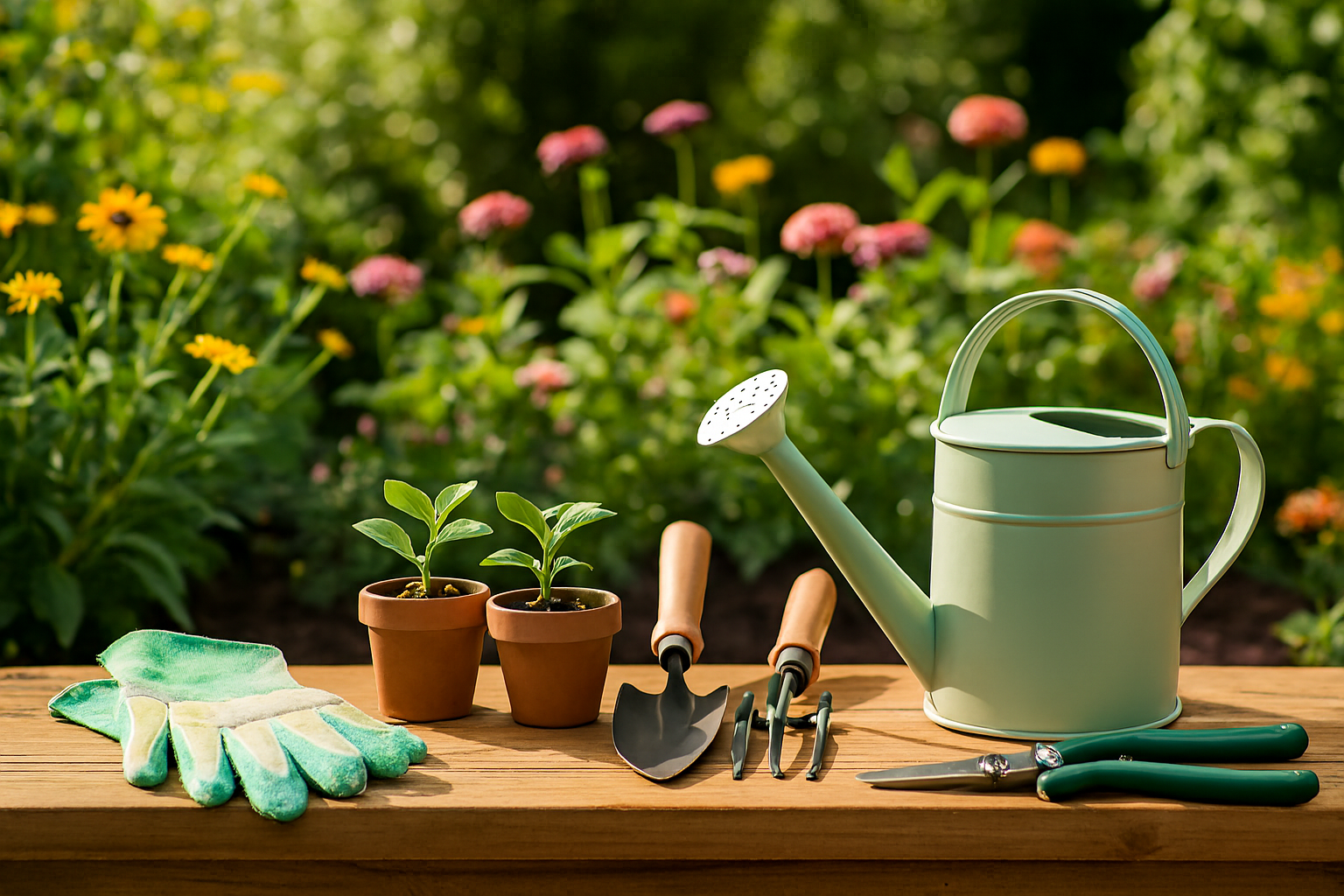
Starting your gardening journey is one of the most rewarding decisions you’ll make, but stepping into a garden center can feel overwhelming with countless tools promising to make your life easier. The truth is, you don’t need a shed full of specialized equipment to create a beautiful, productive garden. What you need are the right garden tools for beginners that will handle the essential tasks of planting, maintaining, and harvesting your garden.
Whether you’re planning a vegetable garden, flower beds, or simply want to maintain your lawn and landscaping, this comprehensive guide covers all the essential gardening tools you’ll need. We’ll walk through must-have hand tools, helpful power equipment, and smart accessories that make gardening more enjoyable and productive. By the end, you’ll know exactly which tools to invest in first and how to build your collection strategically as your skills grow.
Why Quality Garden Tools Matter for Beginners
Before diving into specific recommendations, let’s talk about why investing in quality gardening tools is crucial, especially when you’re just starting out. Cheap tools might seem like a budget-friendly option, but they often bend, break, or rust after a single season, forcing you to repurchase and ultimately spend more money.
Quality garden tools make physically demanding tasks easier and more efficient. A sharp spade cuts through soil effortlessly, while a well-balanced rake reduces back strain during cleanup. Good tools also perform better, giving you better results with less effort. When your tools work properly, you’ll enjoy gardening more and be motivated to spend more time cultivating your outdoor space.
Additionally, many quality garden tools come with lifetime warranties or guarantees. Brands like Fiskars, Corona, and Felco stand behind their products, knowing they’re built to last decades with proper care. This makes quality tools a genuine investment rather than an expense.
Essential Hand Tools Every Beginner Gardener Needs
Hand tools form the foundation of your garden toolkit. These versatile implements handle everything from planting and weeding to pruning and soil preparation.
Garden Spade: Your Primary Digging Tool
A garden spade is different from a shovel – it has a flat, rectangular blade perfect for cutting through soil, edging beds, and transplanting plants. Look for a spade with a sturdy steel blade and a comfortable handle length for your height.
Recommended: Fiskars Long Handle Digging Spade

This spade features an extra-large steel blade that moves more soil with each scoop, making bed preparation faster. The comfortable handle design includes a D-grip for excellent leverage and control. The rust-resistant coating ensures it lasts for years, and the reinforced handle connection prevents breaking during heavy use.
Garden Fork: Break Up Compacted Soil
A garden fork is essential for turning compost, breaking up clay soil, and harvesting root vegetables without damage. The tines penetrate hard soil more easily than a spade, making it invaluable for soil preparation.
Recommended: Radius Garden PRO Ergonomic Stainless Steel Fork

This fork features heat-treated stainless steel tines that resist bending and won’t rust. The ergonomic handle reduces wrist strain during prolonged use, and the O-handle design provides excellent leverage for turning heavy soil or compost piles.
Hand Trowel: Your Most-Used Tool
A hand trowel is the Swiss Army knife of gardening. You’ll use it daily for transplanting seedlings, digging small holes, removing weeds, and mixing soil amendments. Choose one with a comfortable grip and a sturdy blade.
Recommended: Corona ComfortGEL Hand Trowel
The ComfortGEL handle provides excellent grip even with wet or muddy hands. The heavy-gauge steel blade won’t bend when encountering roots or rocks, and the blade depth measurements help you plant bulbs at the correct depth. The rust-resistant finish keeps it looking new season after season.

Pruning Shears: Keep Plants Healthy and Shaped
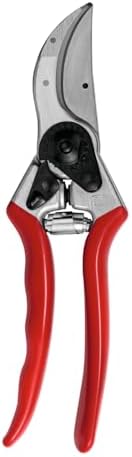
Also called secateurs or hand pruners, these are essential for deadheading flowers, harvesting vegetables, and pruning small branches. Bypass pruners (with two curved blades) make cleaner cuts than anvil-style pruners.
Recommended: Felco F-2 Classic Hand Pruner
Felco pruners are the gold standard for good reason. These Swiss-made pruners feature hardened steel blades that hold their edge through seasons of use. All parts are replaceable, meaning these can last a lifetime. The comfortable grip reduces hand fatigue, and they cut branches up to 1 inch thick cleanly.
Garden Hoe: Weed Control Made Easy
A hoe helps you cultivate soil, create furrows for planting, and eliminate weeds before they establish deep roots. A standard hoe or stirrup hoe (also called a scuffle hoe) are both excellent choices for beginners.
Recommended: Rogue Garden Hoe with 6-Inch Blade
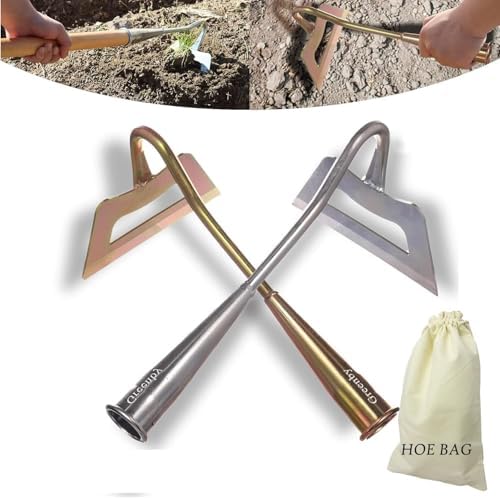
This hoe combines traditional design with modern materials. The razor-sharp blade slices through weeds at the root level, and the sturdy ash handle provides excellent leverage. The 6-inch blade is the perfect size for working between rows without damaging nearby plants.
Garden Rake: Level, Smooth, and Clean
A bow rake (with short, sturdy tines) is perfect for leveling soil, breaking up clumps, and spreading mulch. It’s different from a leaf rake, which has flexible tines designed for gathering leaves.
Recommended: Bully Tools 16-Inch Bow Rake

This American-made rake features 16 heat-treated tines that won’t bend when moving heavy soil or gravel. The triple-reinforced fiberglass handle is incredibly strong yet lightweight. The textured grip prevents slipping, even with gloved hands.
Hand Cultivator: Aerate and Weed
A hand cultivator (sometimes called a hand fork) loosens soil around plants, aerates the top layer, and helps remove weeds in tight spaces. The three or four curved tines work soil without disturbing plant roots.
Recommended: Gardener’s Supply Company Hand Cultivator

This tool’s curved tines make it easy to work around established plants. The cushioned grip reduces hand fatigue during extended weeding sessions, and the rust-resistant steel tines maintain their shape even in rocky soil.
Watering Equipment: Keep Your Garden Hydrated
Proper watering is crucial for garden success. The right watering equipment makes this daily task efficient and effective.
Quality Garden Hose
Invest in a durable, kink-resistant hose that won’t crack or leak. A 50-foot hose covers most residential gardens, while larger properties may need 75 or 100 feet.
Recommended: Flexzilla Garden Hose

This lightweight, flexible hose remains pliable even in cold weather and won’t kink or tangle. The crush-resistant anodized aluminum fittings last for years, and the bright color makes it easy to see in the garden, preventing accidental damage.
Watering Wand or Nozzle
A watering wand with an adjustable spray pattern gives you control over water flow and pressure. Look for one with multiple settings from gentle shower to powerful jet.
Recommended: Dramm One Touch Rain Wand

This 30-inch wand lets you reach hanging baskets and the back of beds without straining. The one-touch valve controls water flow easily, and the 400 spray holes create a gentle rain-like pattern that won’t damage delicate seedlings or wash away soil.
Watering Can
For container gardens, seedlings, or small beds, a watering can provides precise control. Choose one with a removable rose (the perforated head) for versatility.
Recommended: Haws Plastic Watering Can (2-Gallon)
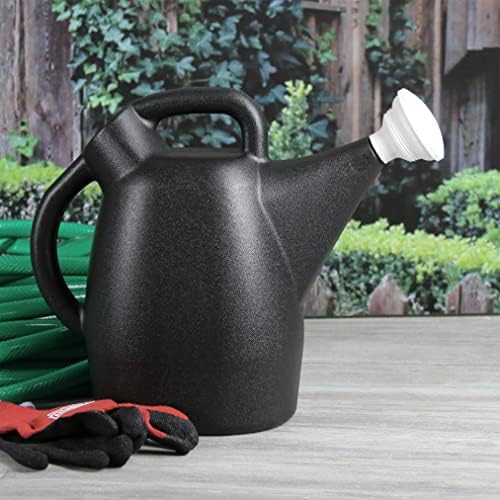
This traditional design features perfect balance even when fully filled. The long spout reaches deep into foliage without spills, and the removable brass rose creates a gentle shower for seedlings. The 2-gallon capacity reduces refilling trips while remaining manageable to carry.
Power Tools That Make Gardening Easier
While not absolutely essential, these power tools significantly reduce physical strain and save time, especially for larger gardens or properties.
String Trimmer: Edge and Trim with Precision
A string trimmer (weed eater) handles edging along walkways, fences, and beds, plus trims grass in areas your mower can’t reach. Battery-powered models offer convenience without the hassle of gas and oil mixing.
Recommended: EGO Power+ 15-Inch String Trimmer

This battery-powered trimmer delivers gas-like power without emissions or pull-cords. The brushless motor provides fade-free power, and the 15-inch cutting swath makes quick work of trimming. The rapid reload trimmer head makes line replacement frustration-free, and the variable speed control lets you match power to the task.
Leaf Blower: Fast Cleanup
A leaf blower speeds up cleanup of garden beds, patios, and walkways. Battery-powered models have become powerful enough to handle serious cleanup tasks.
Recommended: Greenworks 40V Cordless Leaf Blower

This lightweight blower generates up to 340 CFM of air volume, powerful enough for most residential properties. The variable speed control lets you dial in the right power level, and the brushless motor delivers fade-free power. At just 4.9 pounds, it’s easy to use for extended periods.
Electric Tiller: Prepare Large Beds Efficiently
For new gardeners with large beds to prepare or heavy clay soil, a small electric tiller saves hours of manual labor. They’re more affordable and easier to maintain than gas tillers.
Recommended: Earthwise Electric Tiller/Cultivator

This compact tiller features four heavy-duty steel tines that dig up to 8 inches deep and 11 inches wide. The powerful motor handles compacted soil, and the rear wheels make maneuvering easy. It’s quiet enough for suburban use and starts instantly with no pull-cord or gas mixing.
Essential Garden Accessories and Supplies
These additional items make gardening more comfortable and protect both you and your tools.
Garden Gloves: Protect Your Hands
Quality gloves prevent blisters, protect against thorns, and keep your hands cleaner. Look for gloves that fit snugly and are appropriate for your tasks.
Recommended: Mechanix Wear Garden Utility Gloves

These durable gloves feature synthetic leather palms that resist tears and provide excellent grip. The breathable material keeps hands comfortable during hot weather, and the touchscreen-compatible fingertips let you use your phone without removing them.
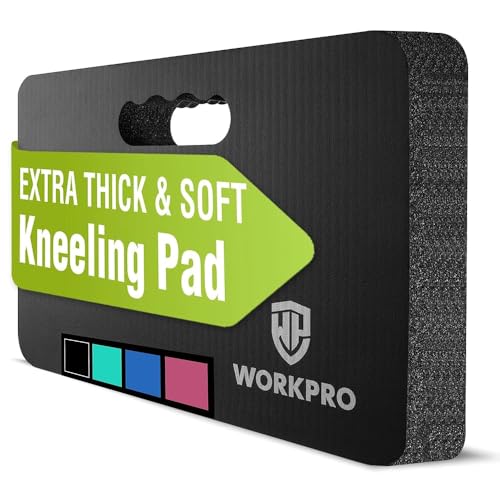
Kneeling Pad or Garden Kneeler
Protect your knees and back during planting, weeding, and other ground-level tasks. A good kneeling pad makes hours of gardening comfortable.
Recommended: Gardener’s Supply Company Extra-Thick Kneeling Pad
This 2-inch thick pad provides superior cushioning on hard surfaces. The waterproof surface wipes clean easily, and the built-in handle makes it easy to move around the garden. Large enough for both knees, it prevents pressure points.
Garden Cart or Wheelbarrow
Move soil, mulch, plants, and harvest with ease. A wheelbarrow is traditional, while a two-wheeled garden cart offers better stability and maneuverability.
Recommended: Gorilla Carts Poly Garden Dump Cart

This cart features a 600-pound capacity with a patented dump feature that makes unloading effortless. The pneumatic tires handle rough terrain smoothly, and the removable sides let you haul long items like lumber. The poly bed won’t rust and is easy to clean.
Tool Storage and Organization
Keep your tools organized, protected, and easily accessible. Options include tool sheds, wall-mounted racks, or a portable tool tote.
Recommended: Fiskars Garden Tool Tote

This water-resistant tote has 12 pockets for hand tools and a reinforced bottom that stands upright. The comfortable handles make it easy to carry to different garden areas, and the included shoulder strap leaves hands free for other tasks.
The Complete Beginner Garden Tool Checklist
Here’s your comprehensive shopping list for building a complete beginner gardening tool collection:
Essential Hand Tools:
- Garden spade (long-handle)
- Garden fork
- Hand trowel
- Pruning shears (bypass style)
- Garden hoe
- Bow rake (not leaf rake)
- Hand cultivator
- Weeding tool or dandelion digger
Watering Equipment:
- Quality garden hose (50-100 ft depending on property)
- Watering wand or adjustable nozzle
- Watering can (1-2 gallon)
- Hose hanger or storage reel
Optional Power Tools:
- String trimmer/weed eater
- Leaf blower
- Electric tiller (for large beds)
Protective Gear and Accessories:
- Durable garden gloves (multiple pairs)
- Kneeling pad or garden kneeler
- Sun hat or wide-brim cap
- Garden cart or wheelbarrow
- Tool storage solution
Maintenance Supplies:
- Tool sharpening file
- Linseed oil or tool protectant
- Replacement parts (pruner blades, trimmer line)
Smart Shopping Strategies for Garden Tools
Building your garden tool collection doesn’t require draining your savings account. Follow these strategies to get quality tools at the best prices.
Buy the Best Hand Tools First
Prioritize quality hand tools since you’ll use them most frequently. A quality spade, fork, trowel, and pruners will last decades and make every gardening session more enjoyable. These are worth paying full price for trusted brands.
Wait for Seasonal Sales
Garden centers deeply discount tools at the end of the season (late fall and early winter). This is the perfect time to stock up for next season. Home improvement stores also run major sales around Memorial Day and Labor Day.
Consider Complete Sets Carefully
Pre-packaged tool sets often include tools you don’t need. While they might seem cost-effective, you’re better off buying individual quality tools for tasks you’ll actually perform. However, if a set contains multiple tools you need from a quality brand, it can offer savings.
Start with Corded Power Tools
If budget is tight, corded electric tools are significantly cheaper than battery-powered options. While less convenient, they work perfectly well for properties with accessible outlets. You can upgrade to cordless versions later.
Check for Warranties
Quality brands offer warranties or guarantees. Fiskars offers lifetime warranties on many tools, while Felco pruners can be repaired indefinitely. These guarantees prove the manufacturer’s confidence in their products.
Buy Used Wisely
Quality hand tools from decades ago often outperform modern budget tools. Estate sales, garage sales, and online marketplaces can yield fantastic finds. Look for solid metal construction, wood handles in good condition, and tools from reputable brands. Avoid tools with cracks, severe rust, or loose connections.
Essential Garden Tool Maintenance Tips
Proper care extends tool life and ensures they’re ready when you need them. Follow these simple practices:
Clean After Every Use
Remove soil and plant debris from tools before storing them. Use a stiff brush or putty knife for caked-on mud, then wipe with a dry cloth. This prevents rust and keeps cutting edges sharp.
Sharpen Regularly
Sharp tools require less effort and make cleaner cuts. Use a flat file to sharpen spade and hoe blades at the end of each season. Pruning shears can be sharpened with a diamond file or specialized pruner sharpener. Sharp tools are also safer – dull tools require more force and are more likely to slip.
Oil Moving Parts
Apply a few drops of machine oil or WD-40 to pruner pivots and other moving parts. This prevents rust and keeps mechanisms operating smoothly.
Protect Wood Handles
Sand rough spots on wooden handles to prevent splinters, then apply linseed oil annually. This protects wood from moisture and keeps handles smooth and comfortable.
Store Properly
Store tools in a dry location off the ground. Hang long-handled tools on wall racks to prevent warping. Keep hand tools in a tote or bucket filled with sand mixed with oil (this cleans and protects tools simultaneously).
Winterize Power Equipment
Before winter storage, clean power tools thoroughly, sharpen blades, and charge batteries to 50% before storing in a climate-controlled location. This extends battery life significantly.
What You Can Grow with These Essential Tools
With this complete beginner gardening tool kit, you’ll be equipped to create and maintain various garden types:
Vegetable Garden: Prepare beds, plant seeds and transplants, control weeds, harvest produce, and maintain soil health throughout the growing season.
Flower Beds: Design and plant annual and perennial displays, deadhead spent blooms, divide overgrown perennials, edge beds, and maintain mulch.
Container Gardens: Fill containers with soil, transplant plants, prune for shape, and maintain drainage.
Lawn Care: Edge along walkways and beds, trim hard-to-reach areas, maintain borders, and clean up clippings and leaves.
Landscaping Projects: Plant trees and shrubs, create new beds, install hardscaping borders, spread mulch, and manage established plantings.
Growing Your Tool Collection Over Time
Once you’ve mastered the basics and identified your favorite gardening activities, you might want to expand your toolkit. Future additions might include:
Specialized pruning tools like loppers for larger branches or hedge shears for formal hedges. A soil knife for transplanting and dividing perennials. A garden seeder for efficient planting of large vegetable gardens. A broadfork for deep soil aeration without disturbing soil structure. A scythe or manual reel mower for areas where power equipment isn’t practical. Specialized tools for specific interests like bonsai tools, grafting knives, or bulb planters.
But remember – master the essential gardening tools first. The tools in this guide will serve you well through many seasons and handle virtually all common gardening tasks.
Start Growing Your Dream Garden Today
Building your first collection of garden tools for beginners is an exciting investment in your outdoor space and your connection to nature. The essential tools for gardening outlined in this comprehensive guide provide everything you need to create and maintain a beautiful, productive garden without unnecessary expenses.
Remember that becoming a skilled gardener takes time and practice. Start with simple projects like container gardens or small raised beds, and gradually expand as your confidence grows. Join local gardening groups, attend workshops at garden centers, and don’t hesitate to ask experienced gardeners for advice. The gardening community is wonderfully welcoming to newcomers.
Quality tools make every gardening task easier and more enjoyable. When you have reliable equipment, you’ll spend more time actually gardening and less time fighting with bent, broken, or ineffective tools. This investment in yourself pays dividends in fresh vegetables, beautiful flowers, outdoor exercise, and the satisfaction of creating something with your own hands.
Ready to start your gardening journey? Begin with the core hand tools, add a quality hose and watering equipment, then expand based on your specific garden plans and property needs. Your garden – and your body – will thank you for choosing tools that work as hard as you do.
What type of garden are you planning to create? Have questions about choosing the right tools for your specific situation? Share your gardening goals in the comments below, and bookmark this guide for reference as you build your tool collection and grow your skills!