


As an Amazon Associate, I earn from qualifying purchases.
When my cat Luna started gaining weight and sleeping 20 hours a day, my vet gave me a wake-up call: indoor cats need serious mental and physical stimulation to stay healthy. The problem? She’d turned her nose up at every toy I’d bought—the mice, the balls, the cheap feather wands. They all ended up abandoned under the couch within days.
After researching feline behavior and testing dozens of toys with my now three-cat household, I’ve discovered the best cat toys for indoor cats that actually keep cats engaged beyond the first five minutes. These aren’t the dusty catnip mice from the grocery store—these are interactive cat toys that tap into your cat’s natural hunting instincts and provide the exercise they desperately need.
Whether you have a lazy senior cat, a bored apartment kitty, or a high-energy kitten destroying your furniture, these cat toys to keep cats busy will transform playtime from a two-minute snooze fest into genuine exercise and enrichment. Let me share the toys that have kept my cats active, healthy, and entertained for years.
Why Best Cat Toys for Indoor Cats Are Essential
Indoor cats face unique challenges compared to their outdoor counterparts. According to the American Veterinary Medical Association, indoor cats live longer (10-15 years vs. 2-5 years for outdoor cats) but face higher risks of obesity, diabetes, and behavioral problems due to lack of stimulation.
The indoor cat crisis:
Physical health risks:
- 60% of indoor cats are overweight or obese (Association for Pet Obesity Prevention)
- Sedentary lifestyle leads to diabetes, arthritis, and heart disease
- Lack of exercise causes muscle atrophy and poor coordination
- Obesity reduces lifespan by 2-3 years on average
Mental health issues:
- Boredom leads to destructive behavior (scratching furniture, knocking things over)
- Stress and anxiety from unstimulated environment
- Depression manifests as excessive sleeping or decreased grooming
- Aggression toward humans or other pets due to pent-up energy
The solution: Regular play sessions with engaging toys that mimic hunting behavior. Cats need 20-30 minutes of active play daily, broken into 5-10 minute sessions.
What makes a cat toy truly engaging:
- Mimics prey movement (erratic, unpredictable patterns)
- Triggers hunting instincts (chase, pounce, capture)
- Provides variety (prevents boredom)
- Allows successful “kills” (cats need to catch prey to feel satisfied)
- Safe for unsupervised play (when appropriate)
Understanding Cat Play Behavior
Before diving into product recommendations, understanding WHY cats play helps you choose better toys:
The Hunt Sequence
Cats are hardwired to hunt through four stages:
- Stalk: Crouching low, eyes focused, body tense
- Chase: Rapid pursuit with quick direction changes
- Pounce: Explosive jump to capture prey
- Kill: Grabbing and “killing” the toy (biting, bunny-kicking)
Best toys engage all four stages. A ball that just rolls doesn’t satisfy the full sequence, which is why cats lose interest quickly.
Prey Preferences
Cats have individual prey preferences based on their hunting style:
Bird hunters: Prefer toys that flutter, fly, or move vertically (feather wands, flying toys)
Mouse hunters: Love ground-based toys that dart and hide (interactive mice, puzzle feeders)
Bug hunters: Go crazy for small, erratic movements (laser pointers, electronic moving toys)
Pay attention to your cat’s play style to choose toys they’ll actually use.
Play Patterns
Morning/evening activity peaks: Cats are crepuscular (most active at dawn and dusk)
Short bursts: 5-10 minute play sessions are ideal
Rotation prevents boredom: Keep 3-4 toys out, rotate weekly
Supervised vs. solo play: Some toys are safe for independent play, others require your participation
Top 10 Best Cat Toys for Indoor Cats
Here are my tested and cat-approved recommendations for the best cat toys for indoor cats:
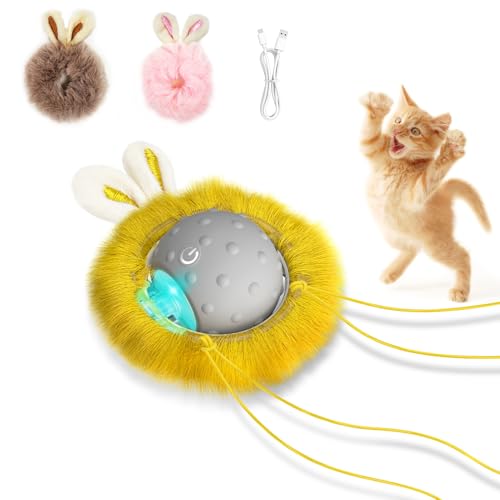
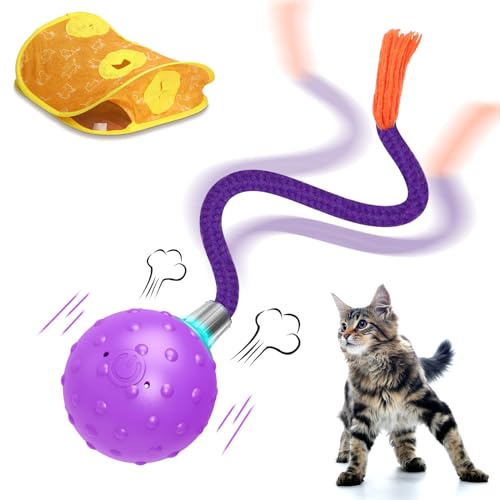
1. BENTOPAL Automatic Cat Toy Interactive Robotic
This robotic toy changed my life—and my cats’ waistlines. It moves unpredictably on its own, triggering the hunt instinct even when I’m at work.
Why I love it:
- Moves randomly in multiple directions
- Automatically changes direction when hitting obstacles
- LED light adds extra excitement
- USB rechargeable (2 hours charge = 4 hours play)
- Built-in rest mode prevents overstimulation
- Feather attachment for added interest
- All three of my cats (ages 2-10) engage with it
How it works: Turn it on and let it roam. The erratic movement mimics prey behavior perfectly. My cats stalk, chase, and pounce repeatedly. The automatic shutoff after 10 minutes prevents exhaustion.
Best for: Busy cat owners, multiple cats, high-energy cats, kittens
Limitations: Needs open floor space, can get stuck under furniture, requires charging
Dimensions: 3.5″ diameter sphere
2. Cat Dancer 101 Interactive Cat Toy
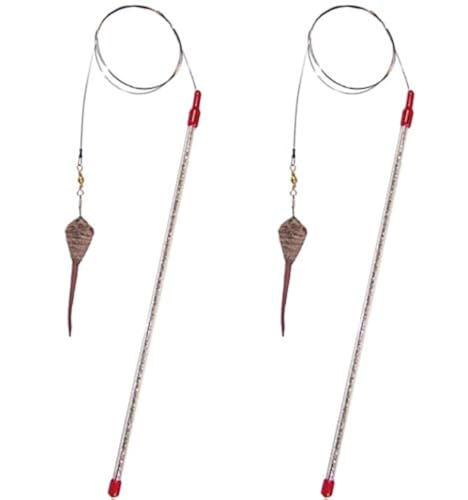
Don’t let the simple appearance fool you—this $3 wire toy with rolled cardboard pieces has kept my cats entertained for years. It’s the most cost-effective interactive cat toy I’ve ever bought.
Why I love it:
- Incredibly simple yet incredibly effective
- Bounces unpredictably (cats go CRAZY)
- Lightweight encourages spectacular jumps
- Durable (lasted 2+ years with aggressive play)
- Easy to store (flexible wire)
- No batteries needed
- Engages the pounce instinct perfectly
How it works: You bounce the wire against the floor or make it “fly” through the air. The cardboard pieces flutter erratically. Cats cannot resist.
Best for: Interactive play, high jumpers, budget-conscious owners, traveling with cats
Limitations: Requires human participation, wire can bend permanently if stepped on
Dimensions: 3 feet long wire with cardboard pieces


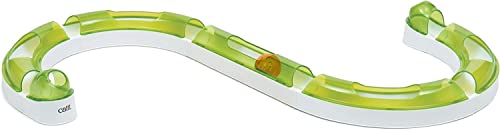
3. Petstages Tower of Tracks Interactive Cat Toy
This three-level track ball toy provides solo entertainment and satisfies the “bat and chase” instinct. It’s been sitting in my living room for three years and still gets daily use.
Why I love it:
- Non-skid base stays put during play
- Balls can’t be lost (contained in tracks)
- Multiple levels add complexity
- Encourages solo play (gives me a break!)
- Bright colors attract attention
- Safe for unsupervised play
- Easy to clean
How it works: Cats bat at colored balls rolling around tracks. Multiple levels mean multiple balls in motion. My cats play with this for 10-15 minutes at a time independently.
Best for: Independent play, anxious cats (predictable), multiple cats, kittens learning coordination
Limitations: Some cats lose interest after novelty wears off, takes up floor space
Dimensions: 10″ diameter, 6.5″ tall


4. SmartyKat Hot Pursuit Electronic Concealed Motion Cat Toy
This electronic toy with wand moving unpredictably under fabric creates realistic “prey under cover” hunting scenarios. My cats treat this like their actual job.
Why I love it:
- Wand moves erratically under fabric cover
- Mimics prey hiding under grass/leaves
- Automatic 15-minute play cycle with rest periods
- Four speed settings
- Feather attachment for extra appeal
- Durable construction (survived 2 years of daily use)
- Satisfies “hunt hiding prey” instinct
How it works: Turn it on and the wand moves unpredictably beneath the fabric, creating mystery bumps. Cats stalk, pounce, and dig at the moving target.
Best for: Natural hunters, cats who love “finding” prey, busy owners, multiple cats
Limitations: Requires 3 C batteries (not included), fabric can get torn with aggressive cats, somewhat loud motor




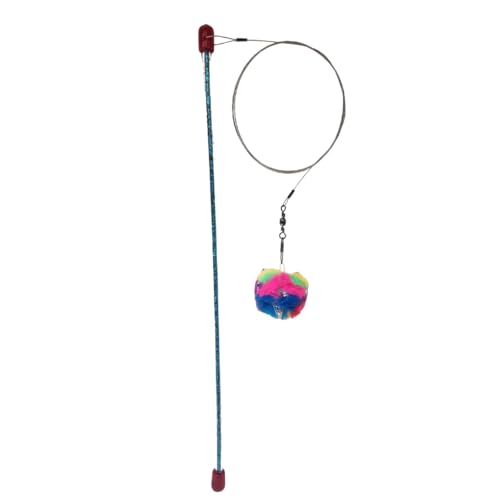
5. GoCat Da Bird Pull Apart Rod Feather Cat Toy
The gold standard of feather wands. Every cat behaviorist I’ve consulted recommends this toy. My cats have destroyed three of these over the years—testament to how much they love it.
Why I love it:
- Realistic bird-like movement
- Feathers rotate and “fly” during play
- Engages jumping and aerial pouncing
- Pull-apart design for easy storage
- Replacement feathers available
- Provides excellent exercise
- Satisfies bird-hunting instincts
How it works: Wave the wand to make the feather attachment “fly.” The realistic movement triggers intense hunting behavior. Cats leap, twist, and perform acrobatic catches.
Best for: Interactive play, high-energy cats, athletic cats, weight loss, bonding time
Limitations: Requires human participation, feathers wear out (replaceable), string can tangle, not for unsupervised play (strangulation risk)


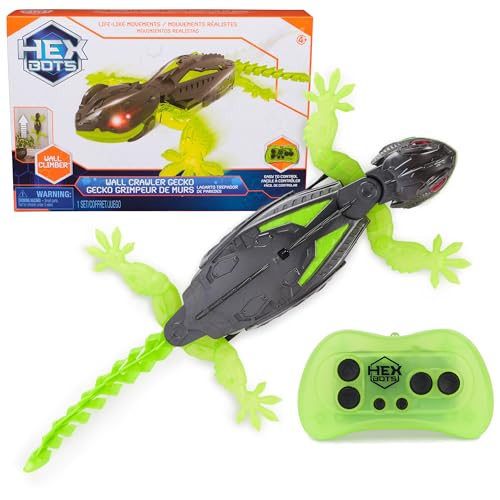
6. HEXBUG Nano Robotic Cat Toy
These tiny vibrating robot bugs trigger the “bug hunter” prey preference in cats. My youngest cat literally vibrates with excitement when I bring these out.
Why I love it:
- Realistic bug-like movement
- Vibrates and scurries erratically
- Small size perfect for batting/carrying
- Works on multiple surface types
- Battery operated (easy to replace)
- Pack of 5 means extras when some get lost
- Satisfies “small prey” hunting instinct
How it works: Turn on the tiny robot and it scurries unpredictably. Cats chase, pounce, and bat at it. The unpredictable movement keeps them engaged.
Best for: Bug-hunting cats, kittens, active chasers, cats who like carrying “kills”
Limitations: Batteries not replaceable (but units are cheap), can get stuck in corners, small parts could be swallowed, easy to lose under furniture


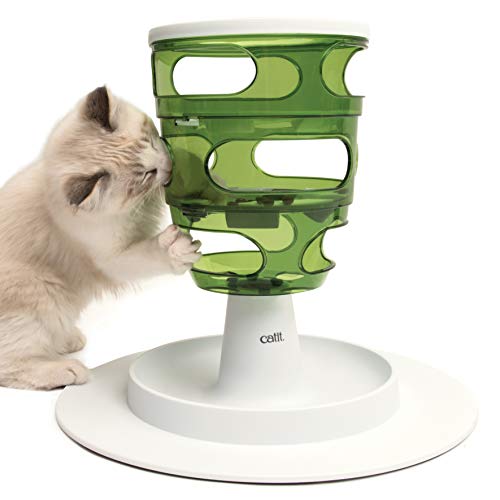
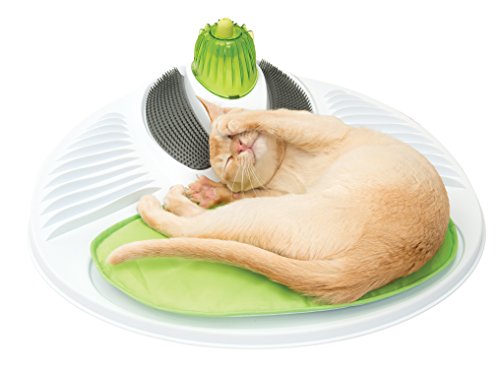
7. Catit Senses 2.0 Food Tree Interactive Cat Toy
This puzzle feeder combines play and mealtime, making cats “work” for their food—mimicking natural hunting behavior. It’s been instrumental in Luna’s weight loss journey.
Why I love it:
- Slows down eating (prevents vomiting)
- Mental stimulation + physical activity
- Multiple difficulty levels (adjustable openings)
- Encourages natural foraging behavior
- Easy to fill and clean
- Works with both kibble and treats
- Reduces boredom eating
How it works: Fill tubes with kibble or treats. Cats must pat and manipulate the tree to get food to fall through openings. Keeps them engaged for 10-20 minutes per feeding.
Best for: Food-motivated cats, weight management, fast eaters, bored cats, solo enrichment
Limitations: Not suitable for wet food, some cats give up if too difficult initially, requires regular cleaning
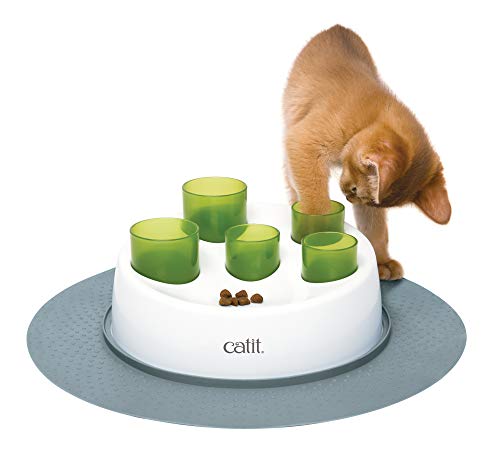



8. Ethical Pet Laser Exerciser Original 2-in-1 Cat Toy
A classic for a reason. Laser pointers provide intense exercise in short bursts. I use this daily for pre-meal energy burning with all three cats simultaneously.
Why I love it:
- Exercises multiple cats at once
- Minimal effort from human
- Triggers intense chase behavior
- Works in small spaces
- Dual function (laser + LED flashlight)
- Affordable and portable
- Great cardio workout for cats
How it works: Point laser on floor/walls, move erratically. Cats chase obsessively. Create patterns that include jumps, direction changes, and sprints.
Best for: High-energy cats, multiple cats, lazy owners, small apartments, pre-bedtime energy burning
Limitations: Never shine in cat’s eyes, always end with catchable toy (prevents frustration), some cats become obsessed, requires human participation


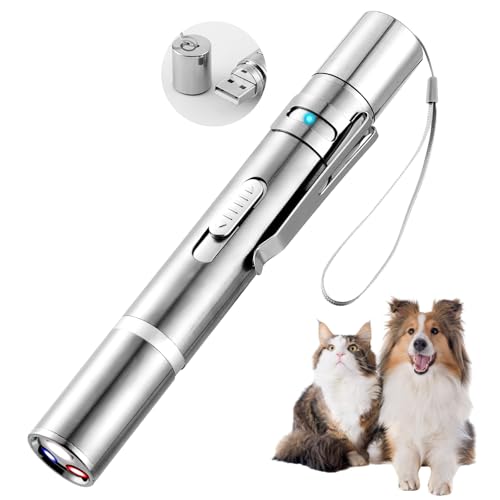
Important laser pointer tip: Always end laser play with a physical toy they can catch and “kill” to prevent frustration and obsessive behavior.
9. Yeowww! Catnip Banana Toy
While this looks like a simple plush toy, the ultra-potent organic catnip inside makes it irresistible. My cats carry this around the house, kick it, and sleep with it.
Why I love it:
- Packed with 100% organic catnip
- No stuffing (just catnip)
- Durable cotton fabric
- Perfect size for bunny-kicking
- Catnip potency lasts 6+ months
- Machine washable
- Satisfies “kill” phase of hunting
How it works: Give it to your cat. They’ll likely grab it, bunny-kick it with their back legs (simulating disemboweling prey), carry it around, and eventually nap with it.
Best for: Catnip-sensitive cats (70% of cats respond to catnip), kill satisfaction, comfort object, solo play
Limitations: Not all cats respond to catnip, catnip potency fades over time (6-12 months), may get dirty/need washing

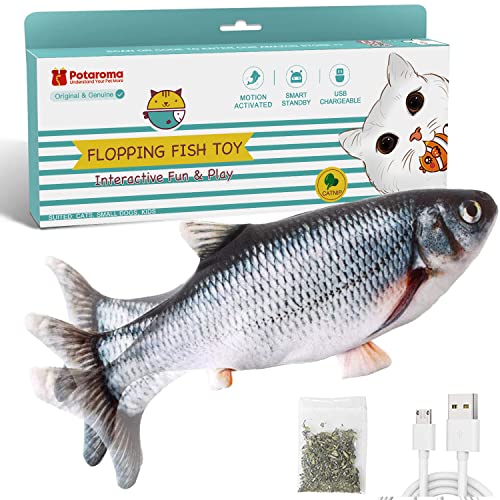
10. Potaroma Electric Flopping Fish Cat Toy
This motorized fish flops and wiggles when touched, mimicking a fish out of water. It sounds gimmicky, but my cats are OBSESSED. They “catch” this fish dozens of times per day.
Why I love it:
- Motion-activated (saves battery)
- Realistic flopping movement
- Durable fabric (survived 6 months of abuse)
- USB rechargeable
- Catnip pouch included
- Satisfies catch-and-kill instinct
- Works for cats who ignore other toys
How it works: Touch-activated sensor makes fish flop when cat touches it. Movement stops after 15 seconds, then reactivates with next touch. Cats pounce, the fish “struggles,” repeat endlessly.
Best for: Cats who love “killing” prey, fetch players, aggressive chewers (surprisingly durable), solo play
Limitations: Not waterproof (ironic for a fish), some cats scared initially, motor noise may bother sensitive cats, requires charging


My Top 3 Picks by Category
Best Overall: BENTOPAL Automatic Toy – Works independently, engages multiple play styles
Best Budget: Cat Dancer – $3 toy that provides intense exercise
Best for Weight Loss: Da Bird Feather Wand – Encourages jumping and sprinting
How to Use Cat Toys Effectively
Having great toys isn’t enough—you need to use them strategically:
Create a Play Schedule
Optimal play times:
- Morning: 10-15 minutes before breakfast (mimics dawn hunting)
- Evening: 15-20 minutes before dinner (mimics dusk hunting)
- Bedtime: 5-10 minutes before bed (burns energy for overnight)
Why timing matters: Aligns with natural crepuscular activity patterns. Cats are biologically programmed to hunt at these times.
Rotate Toys Weekly
The rotation system:
- Keep only 3-4 toys accessible
- Store others out of sight
- Rotate weekly to maintain novelty
- Bring back “old” toys after 3-4 weeks
Why it works: Prevents habituation. Toys seem new again after a break.
End Play Properly
The cool-down sequence:
- Slow prey movements gradually
- Let cat successfully “catch” and “kill” toy
- Provide small treat or meal
- Allow cat to groom and settle
Why it matters: Mimics natural hunt-to-eat sequence. Prevents frustration and promotes satisfaction.
Match Toys to Energy Levels
High-energy cats (kittens, young adults):
- Interactive wands requiring jumping
- Fast-moving automatic toys
- Laser pointers for sprinting
- 20-30 minutes daily play
Medium-energy cats (adults):
- Puzzle feeders
- Track ball toys
- Flopping fish
- 15-20 minutes daily play
Low-energy cats (seniors, overweight):
- Slow-moving wands
- Food puzzles
- Catnip toys
- 10-15 minutes daily play
Start with short sessions and gradually increase duration.
Multi-Cat Households
Managing play with multiple cats:
- Use toys that engage multiple cats (laser pointer, robotic toy)
- Provide separate toys to prevent resource guarding
- Schedule individual play sessions if cats compete aggressively
- Watch for bullying during group play
Signs Your Cat Needs More Play
Watch for these indicators:
Behavioral red flags:
- ❌ Attacking your hands/feet
- ❌ Destroying furniture
- ❌ Excessive meowing
- ❌ Nighttime zoomies
- ❌ Aggression toward other pets
- ❌ Obsessive grooming
- ❌ Eating too fast (boredom eating)
Physical indicators:
- ❌ Weight gain
- ❌ Poor muscle tone
- ❌ Difficulty jumping
- ❌ Sleeping 20+ hours daily
Mental health signs:
- ❌ Depression (decreased grooming, hiding)
- ❌ Anxiety (destructive behavior)
- ❌ Stress (inappropriate urination)
If you notice these signs, increase play sessions immediately.
Safety Guidelines for Cat Toys
Supervised vs. Unsupervised Play
Always supervise:
- String toys (strangulation/ingestion risk)
- Feather wands
- Toys with small removable parts
- Laser pointers
- Anything battery-powered with exposed batteries
Safe for solo play:
- Track ball toys
- Solid rubber/plastic balls
- Electronic toys with secure battery compartments
- Puzzle feeders
- Sturdy catnip toys
Red Flags to Avoid
Dangerous toy characteristics:
- Small parts that can be chewed off and swallowed
- String, ribbon, yarn (intestinal blockage risk)
- Sharp edges or points
- Toxic materials (certain plastics, paints)
- Poorly secured batteries
- Toys sized small enough to swallow whole
Regular Toy Inspection
Weekly checks:
- Examine for loose parts
- Check for cracks or sharp edges
- Remove toys with significant wear
- Clean toys regularly
- Replace batteries in electronic toys
- Toss anything damaged beyond repair
Troubleshooting: My Cat Won’t Play
If your cat ignores toys, try these strategies:
Rule Out Medical Issues
First step: Vet visit
- Pain (arthritis, dental disease) prevents play
- Obesity makes movement uncomfortable
- Illness reduces energy
- Get medical clearance before assuming behavioral issue
Reintroduce Play Gradually
For cats who’ve forgotten how to play:
- Start with food motivation: Use puzzle feeders
- Slow movements: Move toys very slowly at first
- Short sessions: 2-3 minutes initially
- High-value toys: Try catnip or treats
- Be patient: May take weeks to rebuild play drive
Find Their Prey Preference
Test different toy types:
- Day 1: Feather toys (bird simulation)
- Day 2: Ground mice toys
- Day 3: Bug-like toys
- Day 4: Fishing pole style
- Day 5: Puzzle feeders
Watch for even small interest signals (ear perks, eye tracking, slight movements).
Try Different Times
Experiment with timing:
- Dawn (6-7 AM)
- Dusk (6-8 PM)
- Middle of night (for truly nocturnal cats)
- Before meals (hunger motivation)
Make It Irresistible
Engagement boosters:
- Sprinkle catnip on toys
- Rub toys with silvervine (catnip alternative)
- Use treats to create positive associations
- Play with the toy yourself (curiosity factor)
- Introduce toys during high-energy moments
Long-Term Benefits of Active Play
Physical health improvements:
- Maintains healthy weight
- Builds muscle tone
- Improves coordination
- Prevents diabetes and heart disease
- Extends lifespan by 2-3 years
Mental health benefits:
- Reduces anxiety and depression
- Prevents boredom-related destruction
- Improves sleep quality
- Strengthens human-cat bond
- Provides sense of purpose
Behavioral improvements:
- Reduces aggression
- Decreases inappropriate scratching
- Minimizes attention-seeking behavior
- Improves litter box habits
- Creates calmer overall demeanor
Final Thoughts on Best Cat Toys for Indoor Cats
Finding the best cat toys for indoor cats transformed my cats from overweight couch potatoes into active, healthy, engaged felines. Luna lost 3 pounds over six months, my middle cat stopped destroying my furniture, and my youngest kitten channels his energy appropriately.
The key isn’t buying expensive toys—it’s understanding your cat’s natural instincts and providing toys that satisfy their hunting drive. My top recommendations:
Start with these three:
- BENTOPAL Automatic Toy ($20) for independent play
- Cat Dancer ($3) for interactive exercise
- Catit Food Tree ($18) for mental stimulation
Total investment: $41 to revolutionize your cat’s health and happiness.
Remember: consistency matters more than toy quantity. Daily 15-minute play sessions with these interactive cat toys will do more for your cat than a closet full of ignored toys.
Your cat’s wild ancestry doesn’t disappear just because they live indoors. Give them opportunities to hunt, chase, and pounce—their mind and body desperately need it.
Now excuse me while I go start my cats’ evening play session. Da Bird isn’t going to wave itself!
Frequently Asked Questions
How much playtime do indoor cats need daily?
Indoor cats need 20-30 minutes of active play daily, broken into 2-3 sessions of 10-15 minutes each. Kittens and young cats may need up to 45 minutes, while senior cats may do well with 15-20 minutes. The best times are dawn and dusk, aligning with cats’ natural crepuscular hunting patterns. Quality matters more than quantity—intense, engaging play for 10 minutes beats 30 minutes of lazy batting at a ball. Watch for signs of exhaustion like panting or lying down mid-play, and always end sessions before your cat loses interest completely.
Why does my cat only play for a few minutes then lose interest?
Cats have short attention spans for individual activities, typically 5-10 minutes, which mimics natural hunting patterns (short intense bursts rather than prolonged activity). Your cat may lose interest if: the toy becomes predictable, they successfully “killed” it (satisfying the hunt sequence), they’re overstimulated, or the toy doesn’t trigger their specific prey preference. Solutions: rotate toys weekly to maintain novelty, vary play patterns to stay unpredictable, end sessions while cat is still engaged (leave them wanting more), and try different toy types to find what triggers their hunting instinct most effectively.
Are laser pointers bad for cats?
Laser pointers aren’t inherently bad but can cause frustration if used incorrectly. The problem: cats never get the satisfaction of catching the “prey,” which can lead to obsessive behavior or frustration-related aggression. Safe laser pointer use requires: limiting sessions to 5-10 minutes, moving the laser erratically (not just circles), never shining it in cat’s eyes, and most importantly—ALWAYS ending laser play by directing it to a physical toy your cat can catch and “kill.” This completion of the hunt sequence prevents psychological frustration. Used properly, laser pointers provide excellent cardio exercise.
What toys are safe to leave out when I’m not home?
Safe unsupervised toys include: track ball toys (balls contained in grooves), sturdy puzzle feeders, solid rubber or hard plastic balls (too large to swallow), securely constructed catnip toys with no loose parts, and certain electronic toys with secure battery compartments (like the Tower of Tracks). Never leave out: feather wands, string toys, toys with ribbons, small parts that can be chewed off, battery-operated toys with exposed batteries, or anything lightweight enough to be carried to water bowls. Inspect all toys weekly for damage and remove any showing signs of wear that could create safety hazards.
My senior cat won’t play with anything. What should I try?
Senior cats often stop playing due to: arthritis pain, dental issues, obesity making movement uncomfortable, or loss of hearing/vision making them less aware of toys. First, get a veterinary exam to rule out medical issues. Then try: food puzzle toys (uses brain not body), very slow-moving wands at ground level (easier to track and catch), heated beds near play areas (warmth helps arthritis), treats hidden around the house (low-impact foraging), and catnip or silvervine to increase interest. Start with 2-3 minute sessions once daily, focusing on gentle mental stimulation rather than athletic feats. Even minimal play benefits senior cats significantly.
How do I get multiple cats to play together without fighting?
Multi-cat play requires strategy: use toys that engage multiple cats simultaneously (robotic toys, laser pointers), provide multiple identical toys to prevent resource guarding, create enough space for retreat (no cornering during play), watch for bullying (dominant cat hogging toy), and schedule separate play sessions if competition becomes aggressive. Puzzle feeders work well as each cat can have their own. Feather wands can engage multiple cats if you move the “prey” in ways that encourage taking turns. If play escalates to true aggression (not just excited play-fighting), separate cats and give individual attention. Success marker: cats should have relaxed body language even when excited.
If you have a feline friend, investing in scratching posts, toys, and a comfy bed is a must. Check out our guide to the best cat toys for indoor cats to keep your kitty active and happy.”